
Blog
Sammying Machines: How They Remove Water From Leather

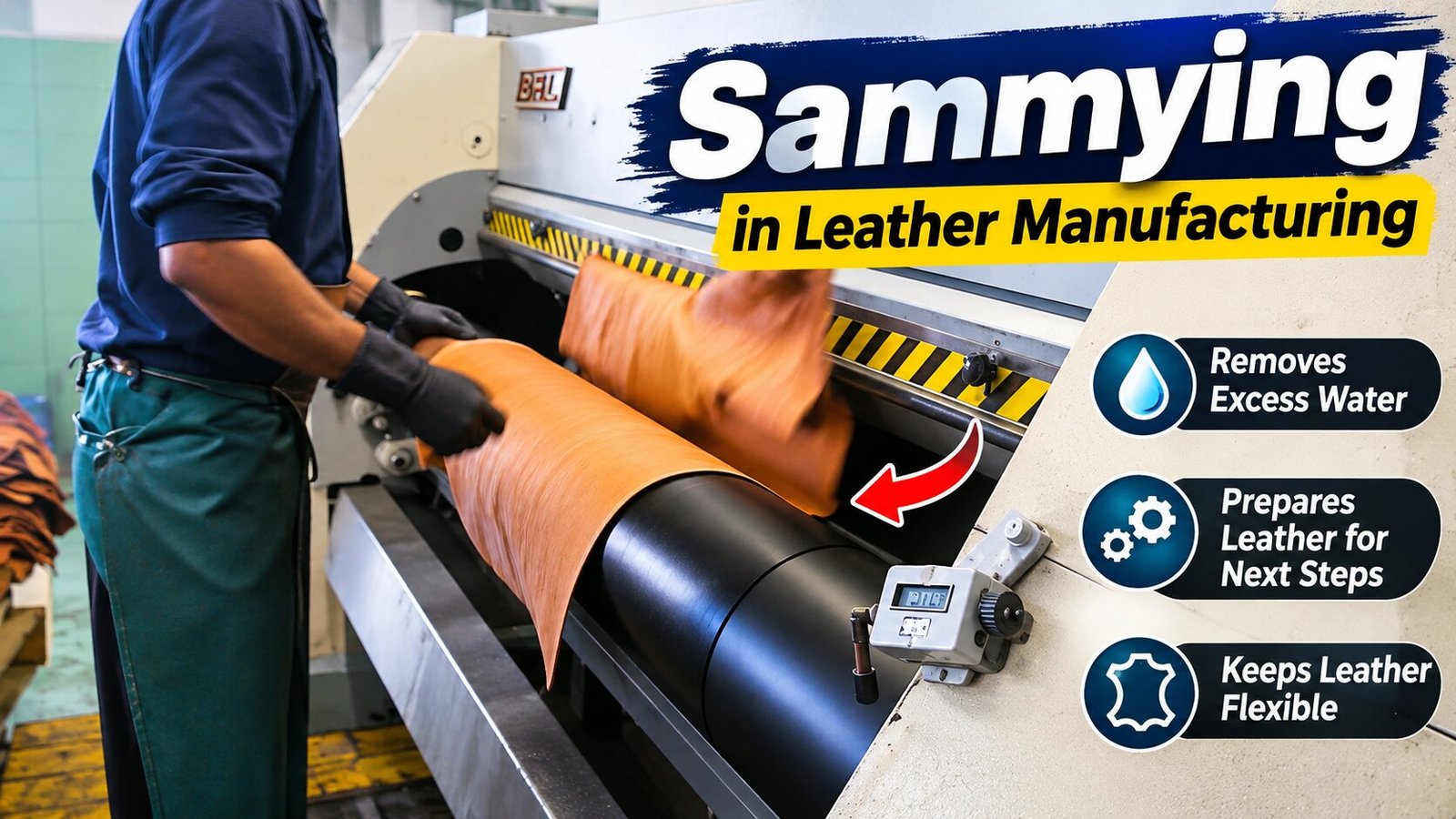
Sammying is an important step in leather making. It removes extra water from wet hides after tanning. The process uses strong rollers to press water out of the leather. This helps prepare the material for the next stage of production. Sammying also helps keep the leather smooth, soft, and easy to handle.
The term is also linked to the older English word Sam. In leather factories, sammying helps control moisture before shaving, further treatment, or drying.
What Is Sammying?
Sammying is a mechanical process used in leather production. It removes excess water from hides and skins after tanning. The leather passes through a machine that applies steady pressure.
The main goal is to lower the water content without making the leather fully dry. This keeps the material damp and flexible for the next steps.
Sammying is common in tanneries that make leather for shoes, bags, furniture, and clothing. It helps workers handle wet leather with greater ease.
How Does Sammying Work?
Sammying uses a machine with large rollers. These rollers press against wet leather and force out extra water. The process is fast and works with many types of hides.
Workers feed the leather into the machine. As it moves between the rollers, pressure pushes water from the material. Felt covers or other absorbent parts help collect the released moisture.
The leather comes out with less water but remains damp. Workers can then move it to the next stage of production.
The pressure must be set with care. Too much force may harm the leather, while too little pressure may leave too much water inside.
Why Is Sammying Important in Leather Manufacturing?
Sammying helps control the amount of water left in leather. This is important because wet leather can be hard to handle and process.
Removing extra water also makes the material easier to work with. Workers can prepare it for shaving, other wet treatments, or drying, based on the production plan.
Sammying can also reduce the energy needed during drying. Leather with less water needs less time and heat to reach the target moisture level.
The process helps factories produce leather with more even moisture. This supports better control during later work.
Sammying Machines and Their Main Parts
Sammying machines are large pieces of equipment used in leather factories. They are built to press water from wet hides with controlled force.
Most machines use heavy rollers, pressure systems, and a moving feed system. Some also have felt covers that absorb water during the process.
The main parts include:
- Pressure rollers: Squeeze water from wet leather.
- Felt covers: Help absorb and remove moisture.
- Feed system: Moves leather through the machine.
- Pressure controls: Adjust the force applied to the material.
- Safety guards: Help protect workers from moving parts.
Some modern machines combine sammying with setting out. This allows workers to remove water and spread the leather in one operation.
Sammying and Moisture Control
Moisture control is one of the main goals of sammying. Freshly tanned leather holds a large amount of water. Much of this water must be removed before certain later steps.
In some wet-blue leather processes, sammying can reduce moisture from around 60% to about 25%. The actual level depends on the leather, machine, and production method.
The leather must not become fully dry during this step. It needs enough moisture to stay flexible and ready for more work.
Even moisture levels can help workers get more consistent results. This is useful when leather moves through shaving, treatment, or drying.
Sammying in the Leather Production Process
Leather production has several stages. Each stage changes the raw hide into a material that can be used for many products.
Sammying takes place after tanning and may also be used after other wet treatments. Its exact place depends on the type of leather being made.
A common production sequence includes tanning, sammying, shaving, further wet treatment, and drying. Some methods use sammying again before the final drying stage.
This process helps prepare leather for the work that follows. It also makes wet hides easier to move and handle.
Difference Between Sammying and Setting Out
Sammying and setting out are two different leather-making operations. They are often used together, but they serve different main purposes.
Sammying focuses on removing excess water. The machine presses wet leather to reduce its moisture content.
Setting out focuses on spreading and smoothing the leather. It helps remove folds and creases while making the material more even.
Some machines perform both tasks in one pass. These are called sammying and setting-out machines. They help factories save handling time.
Benefits of Sammying in Tanneries
Sammying offers several benefits during leather production. It makes wet leather easier to manage and prepares it for later work.
One key benefit is better moisture control. Leather with a more even water level is easier to process.
Another benefit is lower drying demand. Removing water through pressure can reduce the amount of heat needed later.
Sammying can also help factories work more efficiently. Machines can process large hides with less manual effort.
The results depend on the machine settings and the type of leather. Proper pressure helps protect the material during processing.
Common Problems During Sammying
Sammying must be done with care. Poor machine settings can affect the leather’s surface and structure.
One common problem is uneven moisture removal. This can happen when pressure is not balanced across the rollers.
Too much pressure may leave marks or damage parts of the leather. Worn or dirty felt covers may also affect the finish.
Workers can reduce these problems by checking machine settings, cleaning the equipment, and keeping the rollers in good condition.
The leather should also enter the machine in the right position. Proper feeding helps prevent folds and uneven pressure.
Sammying vs. Drying
Sammying and drying both remove water from leather. However, they work in different ways and serve different stages of production.
Sammying uses mechanical pressure to squeeze out water. It leaves the leather damp and ready for more processing.
Drying removes more moisture through air, heat, or other controlled methods. It helps bring the leather closer to the moisture level needed for later finishing.
Sammying often comes before drying because it can remove a large amount of water without using much heat.
Both processes are important. Sammying handles much of the free water, while drying helps reach the required final moisture level.
Other Meanings of Sammying and Samming
The word “samming” also appears in older forms of English. It comes from the verb “sam,” which has been used in regional British speech.
In some dialects, “sam” means to gather, collect, or bring things together. The word may describe putting items or people in one place.
Another older meaning relates to partial drying. In this sense, the word describes making something less wet without drying it fully.
This meaning is closely linked to the leather-making term. Sammying removes part of the water from leather while leaving the material damp.
Today, the spelling “sammying” is mainly used in technical leather-processing contexts, while “samming” also appears in older dictionary entries.
Modern Uses of Sammying Machines
Modern leather factories use sammying machines to handle wet hides more efficiently. These machines are useful when large amounts of leather must be processed.
Many industrial models use adjustable pressure controls. This helps workers choose suitable settings for different leather types and thicknesses.
Some machines also combine water removal with setting out. This reduces the need to move leather between separate machines.
Sammying remains useful in the production of leather for footwear, furniture, bags, and other goods. Its main purpose has stayed the same: remove excess water while keeping the leather ready for further work.
Conclusion
Sammying is a key mechanical step in leather manufacturing. It uses pressure to remove extra water from wet hides after tanning or other wet treatments. The process helps control moisture, improve handling, and reduce the work needed during drying.
The word also has roots in older English, where related terms meant gathering or partial drying. In modern tanneries, sammying remains an important process for preparing leather for the next stage of production.
FAQs
What is sammying in leather manufacturing?
Sammying is a process that removes extra water from wet leather after tanning. It uses heavy rollers to squeeze out moisture while keeping the leather damp and flexible.
Why is sammying important in leather production?
Sammying helps control moisture, makes leather easier to handle, and reduces drying time. It also prepares leather for shaving and other production steps.
How does a sammying machine work?
A sammying machine uses strong rollers to press wet leather. The pressure forces water out while keeping the material ready for further processing.
What is the difference between sammying and drying?
Sammying removes water through mechanical pressure. Drying uses air, heat, or other methods to remove more moisture. Sammying usually takes place before drying.
What does samming mean in English?
Samming comes from the older English verb “sam.” In some regional dialects, it means gathering or collecting things. It can also refer to partial drying.
Read: BoyEnd Clothing: Modern Streetwear and Premium Fashion for Boys

Zavalio.com is an independent digital media publication established in 2023. It covers a wide range of subjects, including technology, business, finance, health, education, and lifestyle. The platform aims to make useful information easier to understand through articles, guides, news, and editorials. It serves readers who want to explore different topics and learn about changes in modern industries.
Unlike websites focused on one subject, Zavalio.com offers a broader mix of content. Its publishing approach includes practical information, industry updates, and detailed explanations for a general online audience.
Quick Facts
| Detail | Information |
|---|---|
| Website name | Zavalio.com |
| Website type | Digital media publication |
| Established | 2023 |
| Access | Free online reading |
| Main focus | General-interest digital publishing |
| Main topics | Technology, business, finance, health, education, and lifestyle |
| Other topics | Real estate and home improvement |
| Content formats | News, guides, articles, features, and editorials |
| Guest contributions | Accepted for editorial review |
| Commercial services | Advertising and sponsored content |
| Target audience | General online readers |
What Is Zavalio.com?
Zavalio.com is a free online digital media publication that shares information across several subject areas. It works as an online reading platform where visitors can explore articles, guides, features, and editorial content. Its main goal is to explain different topics in a clear and useful way.
The website covers subjects that affect daily life, modern businesses, and the digital world. These include new technology, financial topics, business developments, health information, and lifestyle trends. This wide range gives readers a chance to explore different interests in one place.
Zavalio.com was established in 2023, according to its website. Since then, it has developed its identity around general-interest publishing. Rather than focusing on one type of reader, the platform aims to serve people with different questions, needs, and interests.
The Main Topics Covered by Zavalio.com
One of the main features of Zavalio.com is its wide range of subjects. The platform covers several areas that are relevant to modern readers. Each category gives visitors a different type of information.
Technology and business are important parts of its content. However, the website also covers finance, health, education, lifestyle, real estate, and home improvement. This broad approach allows Zavalio.com to discuss both industry changes and everyday topics.
Its main content areas include:
- Technology: Articles about artificial intelligence, software, digital tools, online platforms, and new technology.
- Business: Information about companies, business trends, marketing, and entrepreneurship.
- Finance: Content about money, banking, financial services, markets, and investment topics.
- Health: General health information, wellness topics, and healthcare developments.
- Education: Articles about learning, schools, skills, and changes in education.
- Lifestyle: Everyday interests, personal choices, modern habits, and lifestyle trends.
- Real Estate: Information about property, housing, and real estate developments.
- Home Improvement: Guides about home care, repairs, renovation, and home projects.
These subjects give Zavalio.com room to publish content for different types of readers.
What Type of Content Does Zavalio.com Publish?
Zavalio.com publishes different types of digital content. Each format serves a different purpose. Some articles explain a topic, while others look at a new development or share a particular point of view.
The website includes news articles, guides, editorials, features, and informational content. This means visitors can find both short explanations and more detailed discussions.
Its main content formats include:
News Articles: These cover new announcements, industry changes, company updates, and other developments.
Informational Guides: These help readers understand a subject or find answers to common questions.
Explainers: These break down difficult subjects into smaller and easier sections.
Editorials: These present opinions and discuss different views about a subject.
Features: These give more attention to a topic and explore its background and important details.
Analysis and Insights: These look at why a development matters and how it may affect people or businesses.
This mix helps Zavalio.com cover topics in different ways. Readers can choose content based on the type of information they need.
How Does Zavalio.com Work?
Zavalio.com works like a regular online publication. Visitors can open the website, explore its available topics, and read published articles. They do not need to use a paid subscription to access its general reading content.
The platform organizes its material around different subjects. This makes it easier for readers to find articles that match their interests. Someone looking for technology information can explore that subject, while another visitor may prefer business, finance, or lifestyle content.
The website also aims to make its articles easy to follow. A topic is introduced, important details are explained, and related information is added where needed. This structure helps readers understand the subject without having to search through several unrelated pages.
Zavalio.com also covers topics that may change over time. For example, technology and finance often develop as new products, services, and market conditions appear. Articles about these subjects can help readers understand the wider picture.
Zavalio.com and Its Editorial Approach
A digital publication needs more than a large collection of articles. It also needs a clear approach to choosing topics and presenting information. Zavalio.com describes its editorial focus as creating useful, clear, and well-structured content.
The platform aims to select topics based on their relevance, reader interest, and available information. This approach allows it to cover both current developments and subjects that remain useful over time.
Its website also describes an effort to keep facts and opinions separate. This is important because an informational article and an opinion piece do not serve the same purpose. Readers should be able to understand when an article shares facts and when it presents a viewpoint.
Zavalio.com also states that it aims to use suitable sources when preparing content. Depending on the subject, research may involve official information, company announcements, industry material, research papers, and news reports.
These are the standards the publication describes for its editorial work. The quality and accuracy of each article should still be judged by its content and supporting information.
Who Can Read Zavalio.com?
Zavalio.com is designed for a broad online audience. It does not focus only on business owners, technology experts, or students. Its different subject areas make it useful to people with many interests.
For example, a student may visit the website to understand an education topic. A business owner may want to read about industry changes or marketing. Someone interested in technology may look for information about software, artificial intelligence, or digital services.
The website may also interest readers who want general information about health, property, home improvement, and modern living.
Some of its potential readers include:
- Students looking for easy-to-follow information.
- Business owners following industry developments.
- Professionals interested in technology and finance.
- Readers exploring health and lifestyle topics.
- Homeowners researching property and home projects.
- General readers who enjoy learning about different subjects.
This wide audience is one reason Zavalio.com uses a multi-topic publishing model.
Is Zavalio.com Free to Use?
Yes. Zavalio.com describes itself as a free online digital media publication. Visitors can read its general content without buying a subscription or paying a reading fee.
This makes the platform accessible to people who want to explore different subjects without adding another paid service to their budget.
Readers can browse its available articles and choose topics that interest them. They can also use the website as a starting point when researching a subject.
However, free access does not mean every article will provide professional advice. Topics such as health, finance, and real estate can involve important personal decisions. Readers should check reliable sources and speak with qualified professionals when needed.
Does Zavalio.com Accept Guest Articles?
Yes. Zavalio.com provides opportunities for guest contributions and editorial submissions. Its website invites writers, professionals, and other contributors to share relevant ideas and articles.
This gives people with useful knowledge a way to present their work to an online audience. Contributors may suggest topics that fit the publication’s main areas, such as business, technology, finance, health, and lifestyle.
However, submitting an article does not mean it will be published automatically. The website states that submissions are reviewed for factors such as originality, accuracy, structure, and relevance.
The editorial team may also request changes before accepting an article. This gives the publication a chance to check whether submitted content fits its subject areas and publishing standards.
For writers, guest contributions can offer an opportunity to share knowledge and build an online presence. Still, publication is subject to the website’s editorial decision.
Advertising and Business Opportunities on Zavalio.com
Along with editorial publishing, Zavalio.com offers commercial opportunities. These include advertising, sponsored content, and business partnerships.
These services can help companies introduce products, explain services, or share brand information. They also give businesses another way to reach people who read online content.
Sponsored content is different from independent editorial work. It is created for a commercial purpose, while regular editorial articles aim to inform, explain, or discuss a subject.
Zavalio.com states that it aims to keep these purposes separate. This distinction matters because readers should understand when content is intended to promote a business or product.
Businesses and agencies interested in working with the platform can review its commercial options and contact the publication for further details.
What Makes Zavalio.com Different From Other Online Publications?
Many websites focus on one main subject. Some publish only technology news, while others focus on finance, health, or lifestyle. Zavalio.com takes a wider approach by covering several areas through one publishing platform.
This gives it a broader content range. Readers do not have to visit a website that covers only one industry when they want to explore another subject.
Its different content formats are another part of its publishing model. A reader may find a guide for a practical question, an explainer for a complex topic, or an editorial that discusses a particular issue.
The website also places importance on readable content. Its stated approach is to explain subjects without adding unnecessary detail or making simple ideas difficult to understand.
However, a broad range of topics does not automatically make every article suitable for every reader. The value of Zavalio.com depends on the relevance, quality, and accuracy of the content being read.
Is Zavalio.com a Reliable Website?
Reliability is an important question when using any online publication. A website may cover useful topics, but readers should still check the facts behind its articles.
Zavalio.com states that it aims to use suitable sources and provide clear information. It also describes a process for receiving reader feedback and reviewing possible errors.
These are useful publishing goals. However, readers should not treat every online article as a confirmed fact without checking its claims.
A few simple steps can help when reading content on Zavalio.com:
- Check important facts against official sources.
- Look for dates when reading news or industry updates.
- Review the sources behind financial and health claims.
- Separate personal opinions from factual statements.
- Seek expert advice before making important decisions.
These steps are useful when reading any digital publication. They help readers make better use of the information they find online.
The Future of Zavalio.com
Digital publishing continues to change. People now use search engines, social platforms, and AI tools to find information. Readers also expect websites to provide clear answers and easy ways to explore different subjects.
These changes create new opportunities and challenges for publications like Zavalio.com.
The website’s broad subject range gives it room to cover new developments in different industries. For example, artificial intelligence may change business tools, education, and everyday technology. Financial changes may also affect companies and individual consumers.
To remain useful, a publication needs to keep its content relevant. It also needs to review older information when facts change and make sure new articles answer real reader questions.
Zavalio.com describes its future direction around improving its content, editorial formats, and reading experience. Its long-term value will depend on how well it meets these goals and maintains useful information for its audience.
Final Thoughts on Zavalio.com
Zavalio.com is a free digital media publication established in 2023. It covers several subjects, including technology, business, finance, health, education, lifestyle, real estate, and home improvement. Its content includes news, guides, explainers, features, and editorials.
The platform aims to make information easier to understand and give readers a place to explore different interests. It also provides opportunities for guest writers, advertisers, and businesses.
For general research and everyday reading, Zavalio.com offers a broad range of subjects in one place. However, readers should always check important claims against trusted sources, especially when dealing with health, money, or other major decisions.
READ: Volglaswanden: Types, Benefits, Prices, and Installation Guide 2026

Neatie is an online store that sells personalized jewelry and custom gifts. Its website, Neatie.com, features name necklaces, engraved rings, bracelets, and photo keepsakes. Buyers can add names, dates, initials, or special messages to many designs. These items offer a personal way to mark birthdays, weddings, and other events.
The store also offers fingerprint jewelry, custom crystals, and decorative gifts. Many designs let buyers select colors, sizes, finishes, and engraving details before placing an order.
What Makes Neatie Different From Ordinary Jewellery Shopping
Neatie focuses on jewelry that buyers can change to match their needs. Instead of choosing only a ready-made design, shoppers can add personal details to selected items.
For example, a buyer may choose a necklace with a child’s name or a ring with a wedding date. Some products also allow buyers to add photos or fingerprints.
The main difference is the custom design process. Each order may need extra steps before it is ready to ship. Buyers should check the product details, material, and design options before paying.
The Main Neatie Products and Their Uses
Neatie offers several types of personalized jewelry and keepsakes. Its product range includes necklaces, rings, bracelets, photo gifts, and decorative items.
Each type has a different purpose. Some are made for daily use, while others work better as gifts or display pieces.
Name Necklaces and Initial Jewellery
Name necklaces are a key part of the Neatie collection. Buyers can choose a name, word, or set of initials for selected designs.
Some necklaces offer different letter styles, chain lengths, and metal finishes. The options depend on the item.
These necklaces can make gifts for birthdays, anniversaries, or family events. Buyers should check the spelling and letter limits before placing an order.
Engraved Rings and Family Bracelets
Neatie also offers rings and bracelets with custom text. Buyers may add names, dates, initials, or short messages.
Family bracelets can include details linked to parents, children, or other loved ones. Some designs may also offer decorative stones.
Ring size is an important detail. Buyers should measure carefully because a custom ring may be hard to change after it is made.
Fingerprint and Photo Keepsakes
Fingerprint jewelry lets buyers add a personal print to a selected design. Photo keepsakes use an image chosen by the customer.
These items can mark a family event or help preserve a special memory. They may also be used as gifts for parents, partners, or grandparents.
Image quality matters for photo products. A clear photo with good light will usually work better than a dark or blurry image. Buyers should follow the upload rules shown on the product page.
Comparing Personalisation Styles
Neatie offers different ways to make an item personal. The right choice depends on the gift, the design, and how the item will be used.
| Personalization Type | Common Use | What to Check |
|---|---|---|
| Name jewelry | Birthdays and family gifts | Spelling and letter style |
| Initial jewelry | Simple daily wear | Letter order and size |
| Date engraving | Weddings and anniversaries | Date format |
| Fingerprint jewelry | Personal keepsakes | Print quality |
| Photo jewelry | Family memories | Image quality and crop |
| Custom stones | Decorative gifts | Stone type and color |
Name and initial jewelry often have a simple design. Photo and fingerprint pieces may need more care when buyers prepare their files.
Buyers should also check how much text the item can hold. A long message may not fit on a small ring or pendant.
Understanding Neatie Materials and Finishes
Materials can affect the price, look, and life of jewelry. Neatie product options may include sterling silver, plated finishes, and other metals.
A gold-colored item is not always made from solid gold. The product page should state the base metal and finish.
Buyers should read the material details for each design. The name of a finish alone does not confirm the full metal content.
What Sterling Silver Means
Sterling silver is a metal mix that contains 92.5% silver. The other 7.5% is made from other metals, often copper.
It is often used for rings, necklaces, and bracelets. Sterling silver can become dull or dark over time, but proper cleaning can help restore its shine.
Buyers looking at a Neatie silver item should check whether the product is marked as 925 sterling silver.
What Gold Plating Means
Gold plating is a thin layer of gold placed over another metal. It gives jewelry a gold-colored surface without making the full item solid gold.
The coating can wear down with use. Water, sweat, perfume, and harsh cleaners may affect its finish.
Buyers should check the base metal and plating details. They should not assume that all gold-colored Neatie jewelry has the same material or coating.
How I Would Prepare a Personalised Order
A custom jewelry order needs more care than a standard purchase. Buyers should review every detail before they pay.
The first step is to choose the item and read its full product page. The next step is to enter the custom details and check the preview, if one is offered.
A short review before checkout can help prevent mistakes that may be hard to fix later.
Make the Inscription Unambiguous
Names, dates, and messages should be entered exactly as they need to appear.
Buyers should check capital letters, spaces, spelling, and punctuation. For dates, a clear format can help prevent confusion.
For example, writing “June 12, 2026” may be easier to understand than using only numbers.
Confirm Size and Placement
Size is another key part of a custom order. A necklace needs the right chain length, while a ring needs the correct size.
Buyers should also check where the text or image will appear. Some designs may place engraving on the front, back, or inside of the item.
If a design has a preview, it should be checked before checkout. The final piece may look different from an enlarged product photo.
An Original Check for Meaning and Wearability
A personalized gift should have both personal value and a useful design. A meaningful name or date is important, but the item should also suit the person who will wear it.
Buyers can use three simple checks before choosing a Neatie product.
- Meaning: Does the name, date, or image have a clear personal link?
- Comfort: Is the size, weight, and shape right for the wearer?
- Daily use: Can the item handle the way it will be worn?
A small pendant may work well for daily use. A large photo keepsake may be better for special events or display.
Buyers should also think about the recipient’s usual style. A simple design may be a better choice for someone who prefers small jewelry.
Prices and What an Order Actually Includes
Neatie prices can vary by product type, material, size, and custom options. A basic name necklace may have a different price from a ring with several engraved details.
Some choices may change the total cost. These can include chain length, finish, stones, or added engraving.
Before paying, buyers should check the final order total and what it includes.
| Order Detail | What Buyers Should Check |
|---|---|
| Base price | Cost of the selected item |
| Engraving | Whether custom text costs extra |
| Material | Base metal and finish |
| Stones | Whether they are included |
| Gift box | Whether packaging costs extra |
| Shipping | Delivery fee and destination |
| Taxes | Any added charges at checkout |
A product photo may show items or packaging that are not part of the standard order.
Buyers should check the written product details instead of relying only on the pictures. Current prices and offers should be confirmed at checkout.
Neatie Shipping and Delivery Expectations
Neatie sells custom items that may need time to make before they are shipped. This means buyers should consider both production time and delivery time.
Production time is the period needed to prepare the item. Shipping time begins when the order is sent to the delivery service.
The total wait can depend on the product, custom details, and destination.
Buyers ordering gifts for a set date should check the current delivery estimate before paying. They should also allow extra time for possible delays.
Shipping costs and delivery options may vary by location. The final checkout page should show the options offered for the selected address.
Returns and Changes to Custom Orders
Returns can be more complex for personalized jewelry than for standard products. An item made with a specific name, date, or photo may not be suitable for resale.
Buyers should read Neatie’s current return terms before ordering. They should check whether personalized items qualify for returns, exchanges, or refunds.
The policy may also explain what happens when an item arrives damaged, has a defect, or does not match the confirmed order.
If a buyer enters the wrong name or size, a change may not be possible once production starts. Anyone who spots a mistake should contact customer support as soon as possible.
Buyers should keep their order number, payment record, and any design confirmation. These details can help if they need support later.
How I Assess Reviews and Brand Claims
Customer reviews can help buyers learn more about a store. For Neatie, the most useful reviews are those that describe a real order and show clear details.
A good review may explain how the item looked, whether the engraving was correct, and how long delivery took.
Buyers should look for repeated patterns rather than relying on one positive or negative comment.
Product photos from customers may also help show the size and finish of an item. However, lighting and camera settings can change how jewelry looks.
Claims about metal quality, delivery speed, or customer service should be checked against product details and current store policies. Reviews alone cannot prove that every order will have the same result.
Caring for Personalised Jewellery
Personalized jewelry needs proper care to keep its finish and custom details in good condition.
Neatie items may use different metals and coatings, so care needs can vary by product.
For most jewelry, a few simple habits can help:
- Keep jewelry away from perfume and harsh cleaners.
- Remove delicate pieces before swimming or showering.
- Store items in a dry place.
- Use a soft cloth to clean the surface.
- Keep separate pieces apart to help prevent scratches.
- Follow the care instructions for the exact material.
Sterling silver may need cleaning when it becomes dull. Plated jewelry needs gentle care because strong polishing can damage the coating.
Photo and fingerprint pieces may also have special surfaces. Buyers should avoid rough cleaning methods unless the product instructions allow them.
My Take on Choosing Neatie
Neatie offers a way to turn names, dates, photos, and other personal details into jewelry and gifts. Its range covers simple name necklaces, engraved rings, family bracelets, and custom keepsakes.
The best choice depends on the item, its material, and the person receiving it. A design should be easy to wear, correctly sized, and made with the right custom details.
Before ordering from Neatie, buyers should check the full product description, total price, shipping estimate, and return rules. These steps can help them choose a gift that matches their needs.
Frequently Asked Questions
What is Neatie?
Neatie is an online retailer that offers personalized jewelry and custom gifts. Its range includes name necklaces, engraved rings, bracelets, photo jewelry, and keepsakes.
Is Neatie jewellery made from real silver?
Some Neatie products are offered with sterling silver options. Buyers should check the material details for the exact item. Sterling silver contains 92.5% silver, while silver-colored or silver-plated jewelry may use a different base metal.
How long does Neatie take to deliver?
Delivery time can vary by product and destination. Custom items may need production time before shipping. Buyers should check the current estimate at checkout.
Can I return personalised Neatie jewellery?
Return options depend on the store’s current policy and the reason for the return. Custom items may have special rules. Buyers should review the return terms before ordering and contact support if an item arrives damaged or incorrect.
Does Neatie include engraving and gift packaging?
Many Neatie designs offer custom engraving, but the options depend on the product. Gift packaging may also vary. Buyers should check whether engraving and packaging are included in the listed price or require an extra fee.
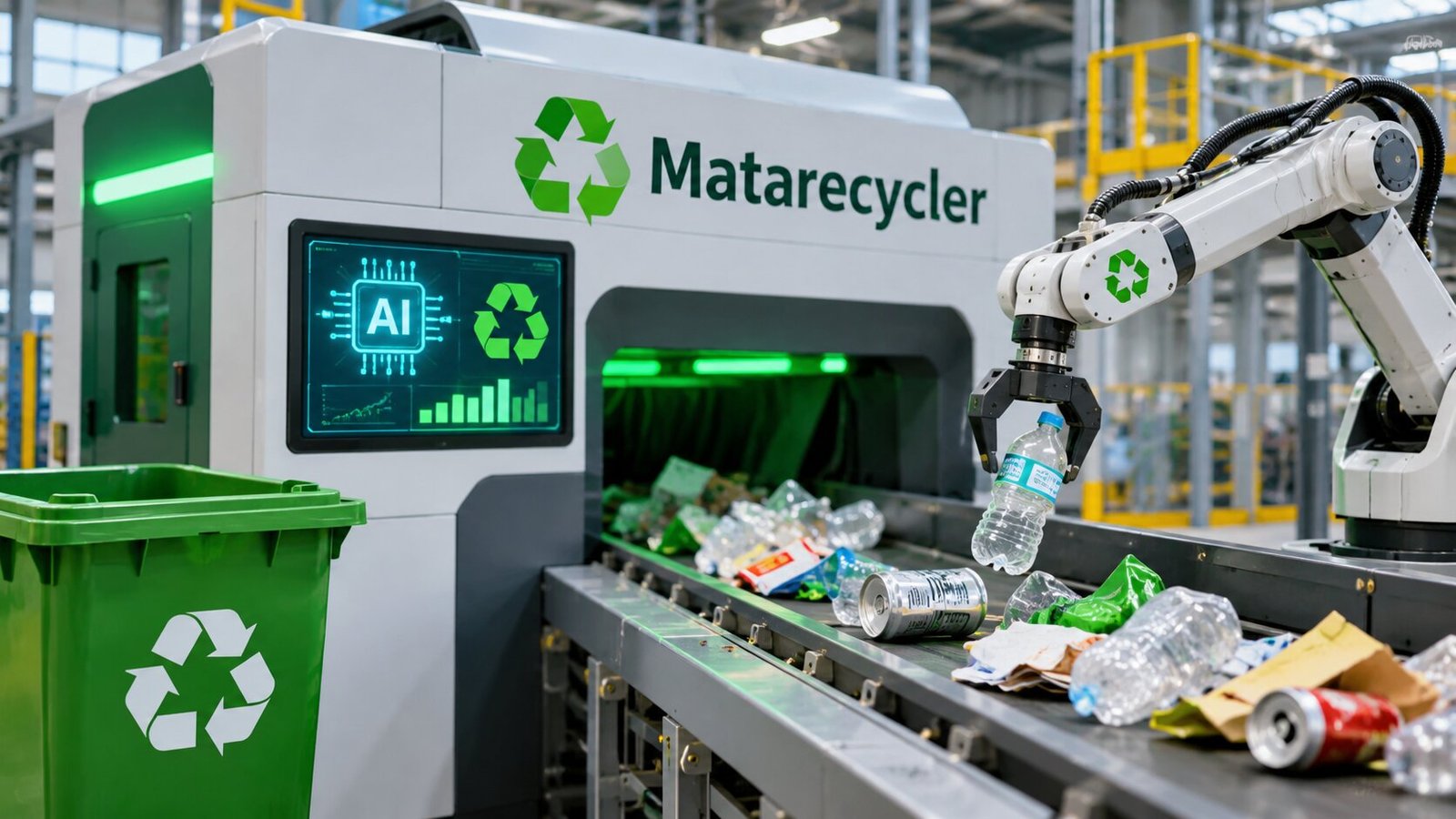
Matarecycler is a term linked to smart recycling and modern waste management. The concept focuses on using artificial intelligence, automated sorting, and digital tools to handle waste. These methods can help separate useful materials from trash and reduce the amount of waste sent to landfills. They also support cleaner cities and better use of natural resources.
Smart recycling systems can serve homes, businesses, and large recycling plants. They use sensors, machines, and data to make waste sorting faster and more accurate.
Quick Answer: What Is Matarecycler?
Matarecycler refers to a smart recycling concept that combines automation, artificial intelligence (AI), and waste sorting technology. Its main goal is to make recycling easier, faster, and more accurate.
Unlike basic recycling methods, smart systems can use cameras and sensors to identify different types of waste. Machines then help sort these materials into separate groups.
The term does not have a clearly established status as a specific commercial product or widely adopted system. However, the technology linked to matarecycler is already used in parts of the recycling industry.
Key ideas linked to matarecycler include:
- AI-powered waste sorting
- Smart recycling bins
- Automated material separation
- Reduced landfill waste
- Better recycling data
- Support for sustainable waste management
What Is Matarecycler and How It Works in Smart Waste Collection and Automated Recycling Systems
Matarecycler brings together several tools used in modern recycling. These tools help collect, identify, sort, and process waste. The goal is to recover more useful materials while reducing the need for manual sorting.
In a smart recycling system, cameras and sensors can scan waste as it moves along a conveyor belt. AI software helps identify materials such as plastic, paper, and metal. Sorting machines then separate selected items based on their type.
Some systems also use connected bins to track how much waste they hold. This data can help collection teams plan routes and avoid extra trips. Not every recycling system includes all these features.
The main functions of matarecycler-style technology include:
- Waste detection: Sensors identify items or measure waste levels.
- Material sorting: Machines separate different types of waste.
- Process control: Software helps manage recycling equipment.
- Data tracking: Digital tools record waste amounts and sorting results.
- Resource recovery: Recyclable materials are prepared for further use.
Why Matarecycler Is Important for Modern Environmental Protection and Sustainable Waste Management Solutions
Waste management is a major challenge for growing cities. Homes, shops, and factories produce large amounts of trash each day. When waste is not sorted well, useful materials may end up in landfills.
Matarecycler focuses on improving this process through smart tools. Better sorting can help recycling plants recover more paper, plastic, metal, and other materials. It can also reduce the amount of unwanted waste mixed with recyclable items.
Recycling helps protect natural resources. For example, recycling aluminum can reduce the need to produce new metal from raw materials. Recycling paper can also reduce demand for new wood fibers.
Smart recycling supports these goals by making material recovery more reliable. However, its impact depends on how the system is built, powered, and managed.
How Matarecycler Works Step-by-Step in Real-World Waste Processing and Recycling Environments
The matarecycler concept follows a series of steps that turn mixed waste into materials that may be used again. Each step helps improve the quality of the final recycled product.
The process often starts when waste reaches a collection point or recycling plant. Workers or machines then prepare the waste for sorting.
A typical smart recycling process follows these steps:
- Waste collection: Homes and businesses place waste in bins or collection containers.
- Material detection: Cameras and sensors scan items as they enter a sorting line.
- AI-based sorting: Software helps identify items based on their shape, color, or material.
- Waste separation: Machines remove selected recyclable items from mixed waste.
- Cleaning and processing: Recovered materials are cleaned, crushed, shredded, or prepared as needed.
- Reuse in production: Manufacturers use suitable recycled materials to make new products.
Not all recycling plants use the same process. Some rely on workers, while others use a mix of manual and automated sorting.
Matarecycler-style systems aim to make these steps more accurate. They can also help plant operators find problems and improve the sorting process over time.
Key Features of Matarecycler That Make It a Powerful Smart Recycling and Waste Optimization Technology System
The main features linked to matarecycler focus on automation, waste detection, and data tracking. These tools can help recycling teams handle large amounts of waste with less manual work.
One key feature is AI-based sorting. Cameras collect images of waste, while software helps identify different materials. Some machines use air jets or robotic arms to move selected items into the right collection areas.
Another feature is the use of smart bins. These bins may include sensors that measure how full they are. Collection teams can use this data to plan pickups based on actual waste levels.
Other useful features include:
- Real-time monitoring: Tracks equipment and waste flow.
- Automated sorting: Helps separate materials with less manual effort.
- Digital records: Stores information about collected and processed waste.
- Smart alerts: Warns teams about full bins or equipment problems.
- Performance reports: Helps operators measure sorting results.
These features are not unique to a single system called matarecycler. They are examples of tools used in modern smart recycling projects.
Benefits of Matarecycler in Environmental Sustainability, Cost Efficiency, and Smart City Development
Matarecycler-style recycling can offer benefits to cities, businesses, and recycling plants. Better sorting can help recover useful materials and reduce waste sent to landfills.
Automation may also reduce some routine tasks. For example, machines can sort large amounts of waste without needing a worker to inspect every item. This can help staff focus on safety, equipment care, and quality checks.
The main potential benefits are shown below.
| Benefit Area | Description | Potential Impact |
|---|---|---|
| Environmental | Recovers more recyclable materials | Less landfill waste |
| Economic | Improves sorting and collection processes | Possible cost savings |
| Industrial | Helps process large amounts of waste | Better productivity |
| Social | Supports recycling programs | Greater public awareness |
| Urban Development | Connects waste services with digital tools | Better city planning |
These benefits are not guaranteed. The results depend on the cost of equipment, the type of waste, and how well the system works.
For example, an automated sorting line may improve material recovery but require a large investment. Cities must compare these costs with the value of the materials recovered.
Applications of Matarecycler in Residential, Industrial, and Municipal Waste Management Systems
Matarecycler technology can be applied to several types of waste management. Homes, factories, offices, and city services all have different needs.
In residential areas, smart bins can help track waste levels. Some systems may also guide users on where to place different materials. This can make recycling easier for households.
Industrial recycling plants often need larger sorting machines. These plants may process plastic, metal, paper, and packaging waste. AI tools can help identify items on fast-moving sorting lines.
Common applications include:
- Residential recycling: Smart bins and household waste collection.
- Industrial recycling: Automated sorting at large processing plants.
- Municipal waste services: Digital tools for public waste collection.
- Commercial buildings: Waste tracking in offices and shopping centers.
- Recycling facilities: Cameras, sensors, and machines for material recovery.
Each application needs a different setup. A small office may only need smart bins, while a large recycling plant may require complex sorting equipment.
The matarecycler concept can help explain how these tools work together to improve waste management.
Challenges and Limitations of Matarecycler in Large-Scale Implementation and Infrastructure Development
Smart recycling has several challenges. One of the biggest is cost. Advanced sorting machines, sensors, and software can be expensive to buy and install.
Equipment also needs regular care. Cameras may become dirty, machines can wear out, and software may need updates. Recycling plants need trained workers to keep the system running.
AI sorting is not always accurate. Dirty packaging, damaged items, and mixed materials can be hard to identify. Some waste may still need manual checks or extra processing.
Other challenges include:
- High setup and maintenance costs
- Limited recycling facilities in some areas
- Need for skilled technical workers
- Problems with mixed or dirty waste
- Power and network needs
- Limited markets for some recycled materials
These limits matter when cities plan new recycling projects. A smart sorting machine cannot solve every waste problem on its own.
Good recycling also needs public support, proper collection services, and businesses willing to use recovered materials.
Future of Matarecycler in Smart Cities, AI-Based Recycling Systems, and Global Sustainability Projects
The future of matarecycler-style technology is linked to advances in AI, sensors, and automated machines. These tools may help recycling plants identify more materials and improve sorting speed.
Smart city systems could also use waste data to plan collection routes. For example, sensors could show which bins need attention. Collection teams could then focus on areas with higher waste levels.
Robotic sorting is another area of development. Machines with cameras and robotic arms can identify and pick selected items from moving waste lines. Better software may help these systems handle more types of materials.
Possible future developments include:
- More accurate AI waste detection
- Improved robotic sorting machines
- Better tracking of recycled materials
- Smarter waste collection routes
- More connected recycling facilities
- Better data for waste planning
These changes could make recycling more effective. However, their success will depend on cost, local needs, and the quality of waste collection services.
Matarecycler should therefore be viewed as a concept linked to these developments, rather than a proven global recycling platform.
Comparison Between Matarecycler and Traditional Recycling Systems in Efficiency, Accuracy, and Sustainability
Traditional recycling often uses a mix of manual work and sorting machines. Workers may remove unwanted items, while equipment separates materials based on size, weight, or other physical features.
Matarecycler-style systems place more focus on AI, sensors, and digital data. These tools can help identify waste and guide sorting machines.
The table below compares common features of basic recycling methods with more advanced smart recycling systems.
| Feature | Traditional Recycling | Matarecycler-Style Smart Recycling |
|---|---|---|
| Sorting Method | Manual and mechanical | AI-assisted and automated |
| Waste Detection | Workers and basic sensors | Cameras and advanced sensors |
| Processing Speed | Depends on equipment and staff | Can be faster for selected tasks |
| Sorting Accuracy | Depends on waste and process | Can improve with trained AI |
| Data Tracking | Often limited | More detailed digital records |
| Setup Cost | Varies by facility | Often higher at first |
| Maintenance | Mechanical and manual support | Mechanical and technical support |
| Scalability | Can support large plants | Can expand with added equipment |
The main difference is how much digital technology each system uses. Smart recycling can improve selected tasks, but it does not always perform better in every setting.
For example, a basic recycling system may be more practical for a small community with limited funds. A large processing plant may benefit more from automated sorting.
The best choice depends on waste volume, available funds, local infrastructure, and recycling goals.
Final Words
Matarecycler represents a smart recycling concept that brings together AI, automation, sensors, and waste data. These tools can help improve material sorting, reduce some forms of waste contamination, and support better resource recovery.
The technology behind smart recycling has real uses in homes, businesses, and recycling plants. However, there is not enough verified evidence to treat matarecycler as one established system with proven results across the world.
Its main value lies in the wider idea of making recycling more accurate and efficient. With the right equipment, skilled workers, and strong collection services, smart recycling can help cities and industries manage waste more effectively.

Mandy in GTA 6: Her Role, House Location, and Strange Secrets

Fiona the Hippo’s Life Story: How She Won Hearts Around the World

Anthropic Stock (ANT): IPO Details and Investment Risks

Who Is Preetha Nooyi? How Is Indra Nooyi’s Daughter Building Her Own Quiet Path in Business?

Freda Morris Biography: The Private Life of Garrett Morris’s Wife

Arrow Eve Reynolds: The Oldest Daughter of Imagine Dragons Frontman Dan Reynolds and Musician Aja Volkman
-
 Celebrity5 months ago
Who Is Preetha Nooyi? How Is Indra Nooyi’s Daughter Building Her Own Quiet Path in Business?
-
 Celebrity3 months ago
Freda Morris Biography: The Private Life of Garrett Morris’s Wife
-
 News2 months ago
Arrow Eve Reynolds: The Oldest Daughter of Imagine Dragons Frontman Dan Reynolds and Musician Aja Volkman
-

 Entertainment5 months ago
Who Is Charlie McKittrick? All About Ana Gasteyer’s Husband and His Life
-

 Business5 months ago
Who Is Vaughn Rasberry? All About Tatyana Ali’s Husband, Stanford Career, Family, and Net Worth
-

 Celebrity5 months ago
Who is Brock Peters’ First Wife? All You Need To Know About Dolores Daniels
-

 Celebrity3 months ago
Arielle Zuckerberg: Meet Mark Zuckerberg’s Youngest Sister, Building Her Own Tech Legacy
-

 Celebrity5 months ago
The Untold Story of Elgin Charles Williams: From Beverly Hills Hair Empire to Jackée Harry’s Ex-Husband