
Blog
What is Messeregge? The Definitive Guide to This German Farm Tool


Messeregge is a German farming tool used to break soil clods, level fields, and prepare the ground for planting. It has rows of strong steel blades that work through the upper soil layer. Farmers often attach it to the front of a tractor or use it with a front packer and roller.
The word Messeregge means a type of blade harrow. It is also called a scarifier in English. Unlike a plough, it works mainly on the soil surface. Its main job is to make the ground smoother and easier to prepare for seeds.
| Feature | Details |
|---|---|
| Name | Messeregge |
| Origin | German agricultural term |
| English meaning | Scarifier, knife harrow, or blade harrow |
| Equipment type | Agricultural soil preparation tool |
| Main purpose | Breaking clods and leveling soil |
| Main parts | Steel blades, frame, and mounting system |
| Common mounting | Front of a tractor or front packer |
| Working area | Upper soil layer |
| Adjustments | Blade angle, height, or working depth |
| Common uses | Field leveling and seedbed preparation |
| Main benefit | Helps create a more even soil surface |
What Is Messeregge?
Messeregge is a farming attachment that helps prepare soil before planting. It uses sharp steel blades to break large lumps of soil and make the field surface more even.
The tool is often used with a tractor and a front packer. As the tractor moves, the blades work through the soil. They cut into raised areas, break clods, and spread loose soil across the field.
A roller may follow the blades to press and firm the ground. This helps prepare the surface for the next farming task.
Messeregge is not a kitchen tool, food item, or digital service. It is a real piece of agricultural equipment used in soil preparation.
What Does the Word Messeregge Mean?
Messeregge comes from two German words:
- Messer: Means knife or blade.
- Egge: Means harrow, a tool used to prepare soil.
Together, these words describe a harrow that uses blades to work the ground.
The German dictionary Langenscheidt translates Messeregge as “scarifier” in English. However, knife harrow and blade harrow are also useful terms because they explain how the equipment works.
Agricultural manufacturers such as Kerner and Fliegl use the word Messeregge in their equipment information. Their products show that the term refers to a soil-working attachment.
How Does a Messeregge Work?
A Messeregge works by moving steel blades through the upper layer of soil. It is usually pulled or pushed across the field by a tractor.
As the tractor moves forward, the blades come into contact with soil clods and uneven ground. Their cutting action helps break larger lumps into smaller pieces.
The blades also move loose soil across the surface. This can help fill small gaps and reduce raised areas.
When used with a front packer, the roller follows the blades. It presses the soil and helps create a more even finish.
The full process can be explained in four steps:
- The tractor moves the Messeregge across the field.
- Steel blades cut and break larger soil clods.
- Loose soil spreads across uneven areas.
- A following roller presses and levels the prepared surface.
The result depends on soil moisture, blade settings, working speed, and the type of roller being used.
Main Components of a Messeregge
A Messeregge has several important parts. Each one helps the equipment work safely and effectively.
Steel Blades
The blades are the main working parts. They cut into the upper soil layer and help break large clods.
Manufacturers may use hardened steel to improve blade strength and reduce wear.
Carrying Frame
The frame holds the blades in place. It keeps them properly arranged across the working width.
A strong frame also helps the equipment handle the forces created during fieldwork.
Mounting System
The mounting system connects the attachment to a tractor, front packer, or other suitable machine.
The exact connection depends on the equipment model.
Adjustment Mechanism
Some models allow farmers to change blade height, working angle, or depth.
These settings control how strongly the blades work the soil.
Hydraulic Parts
Certain machines use hydraulic systems for lifting, folding, or adjustment.
Not every Messeregge has the same hydraulic features.
What Is a Messeregge Used For?
The main purpose of a Messeregge is to improve the condition of the soil surface before planting or other field operations.
Breaking Large Soil Clods
Large soil clods can make field preparation difficult. They may leave gaps and create an uneven surface.
A Messeregge uses steel blades to break these lumps into smaller pieces.
This makes the soil easier for a following roller or seedbed tool to work.
Leveling the Field Surface
Uneven soil can cause problems during planting.
Raised areas and deep gaps may make it harder to keep seeds at a steady depth.
A Messeregge helps reduce these surface changes by cutting raised clods and spreading loose soil.
Preparing the Seedbed
A seedbed is the prepared soil where seeds are planted.
A Messeregge can help create a smoother surface before sowing. This may support more even planting conditions.
However, good seed growth also depends on moisture, soil quality, planting depth, and weather.
Supporting Roller Operations
A Messeregge often works ahead of a roller or front packer.
The blades first break and level the soil. The roller then presses the surface.
Using both tools together can help complete more than one soil preparation task in a single pass.
Reducing Separate Field Passes
When properly matched with other equipment, a front-mounted Messeregge may reduce the need for extra field operations.
This can save time in suitable conditions.
Actual savings depend on tractor power, soil type, fuel use, and the other machines being used.
Messeregge vs. Other Farming Tools
A Messeregge may look similar to other soil preparation tools, but its working method is different.
| Farming Tool | Main Working Part | Primary Use |
|---|---|---|
| Messeregge | Steel blades | Breaks clods and levels soil |
| Spring-tine harrow | Flexible metal tines | Scratches and mixes surface soil |
| Disc harrow | Rotating metal discs | Cuts and mixes soil |
| Power harrow | Powered rotating tines | Breaks and prepares soil more intensely |
| Roller | Rings, bars, or tyres | Presses and firms soil |
| Plough | Ploughshares and mouldboards | Turns over deeper soil layers |
A Messeregge is mainly useful for surface preparation.
A spring-tine harrow may be better when flexible tine action is needed. A disc harrow can mix more soil and crop residue, while a plough is used for deeper soil turning.
The best tool depends on the condition of the field and the work that needs to be done.
Benefits of Using a Messeregge
A Messeregge can offer several practical benefits when used in suitable soil conditions.
Better soil leveling: The blades help reduce raised areas and spread loose soil more evenly.
Smaller soil clods: Large lumps can be broken into smaller pieces, making the surface easier to prepare.
Improved seedbed preparation: A more even surface can help later planting operations.
Combined fieldwork: When used with a roller, the tool can complete cutting, leveling, and pressing tasks during one pass.
Adjustable operation: Some models let farmers change the blade angle or working depth to suit field conditions.
These benefits are not guaranteed in every field. Wet soil, hard clods, stones, and poor machine settings can reduce performance.
How to Choose the Right Messeregge
Choosing the right Messeregge depends on the tractor, soil conditions, and the type of work being planned.
Check the Working Width
The working width shows how much ground the tool covers in one pass.
A wider tool may cover more land, but it can also require a stronger tractor and suitable mounting equipment.
The width should match the rest of the farming setup.
Confirm Tractor Compatibility
Not every Messeregge can fit every tractor.
Farmers should check the mounting system, machine weight, axle capacity, and hydraulic requirements.
Front-mounted equipment also changes how weight is distributed across the tractor.
Look for Easy Adjustments
Blade angle, height, and depth can affect the finished soil surface.
An adjustable machine gives the operator more control over how the blades work.
Simple adjustment systems can also make field setup easier.
Check Blade Quality
Blades face regular contact with soil, stones, and hard clods.
Strong steel blades may last longer under suitable working conditions.
Farmers should also check how easily worn blades can be replaced.
Consider Spare Parts
Before buying, check whether replacement blades, bolts, and other parts are available.
Good spare-part support can reduce delays when maintenance is needed.
How to Set Up and Use a Messeregge
Correct setup is important for good field performance and safe operation.
Start by reading the manufacturer’s manual. Different models may have different mounting and adjustment systems.
Make sure the attachment is connected securely to the tractor or front packer.
Next, check the blade condition and set the working height or angle. Both sides should be adjusted evenly when the design requires it.
Begin with a short test run in the field. Stop the tractor safely and inspect the worked soil.
Look for broken clods, an even surface, and signs that the blades are working at the correct depth.
If needed, adjust the machine before continuing.
Working too deeply may increase resistance and move more soil than necessary.
When Should You Avoid Using a Messeregge?
A Messeregge is not suitable for every field condition.
Very wet soil can stick to the blades and form large lumps. Working wet ground may also damage soil structure.
Extremely dry and hard soil may be difficult to break with a light surface tool.
Fields with heavy crop residue may cause material to collect around the frame or blades.
A Messeregge is also not designed to solve deep soil compaction.
If the problem lies far below the surface, another tool may be needed.
Farmers should inspect the soil before starting work and choose equipment based on actual field conditions.
Maintenance and Care of a Messeregge
Regular maintenance helps keep a Messeregge working correctly.
The blades should be checked for wear, cracks, bending, and damage. Worn blades may not break clods as effectively.
Mounting bolts and frame connections should also be inspected. Loose parts can affect machine performance and safety.
If the attachment has hydraulic components, check the hoses and connections for leaks or damage.
Lubricate moving parts according to the manufacturer’s instructions.
After fieldwork, remove built-up soil and inspect the frame.
Store the equipment on stable ground in a suitable location. Keeping the machine clean and protected can help reduce corrosion.
Safety Tips When Using a Messeregge
A Messeregge has sharp blades and heavy metal parts. Safe handling is important during setup, operation, and maintenance.
Never stand beneath a raised attachment unless it is properly secured.
Before checking the blades, lower the equipment safely, stop the engine, remove the key, and follow the manufacturer’s instructions.
Keep people away from the machine while it is working.
Check the tractor’s front axle load, steering, visibility, and transport requirements before using front-mounted equipment.
Damaged blades, loose bolts, or leaking hydraulic parts should be repaired before fieldwork continues.
Why Is There Confusion About Messeregge Online?
Some websites describe Messeregge as a food, digital platform, design concept, or business term.
These descriptions do not match the established agricultural meaning.
The confusion may come from the word being unfamiliar outside German-speaking farming communities.
Agricultural dictionaries and equipment manufacturers provide a much clearer explanation.
Langenscheidt identifies Messeregge as an agricultural term. Kerner and Fliegl also document real farming attachments under this name.
These sources support the meaning of Messeregge as a blade-equipped harrow used for soil preparation.
Final Thoughts
Messeregge is a German agricultural tool used to break soil clods, level fields, and support seedbed preparation. Its steel blades work through the upper soil layer, often ahead of a roller or front packer.
The tool can help farmers prepare a more even field surface and combine different tasks in one pass. However, results depend on soil conditions, correct settings, and tractor compatibility.
Before choosing a Messeregge, farmers should check the working width, blade quality, mounting system, and maintenance needs.
FAQs
What is a Messeregge?
A Messeregge is a German farming tool with steel blades used to break soil clods and level fields before planting.
Is Messeregge a traditional food?
No. Messeregge is an agricultural term for a soil preparation tool, not a traditional dish.
What is Messeregge called in English?
Messeregge is translated as scarifier and can also be described as a knife harrow or blade harrow.
How is a Messeregge different from a spring-tine harrow?
A Messeregge uses steel blades to cut and level soil, while a spring-tine harrow uses flexible metal tines.
Can a Messeregge fit any tractor?
No. Compatibility depends on the tractor’s mounting system, weight capacity, hydraulics, and the attachment’s size.
Read more: FRABOC: What Is Familial Risk Assessment – Breast and Ovarian Cancer
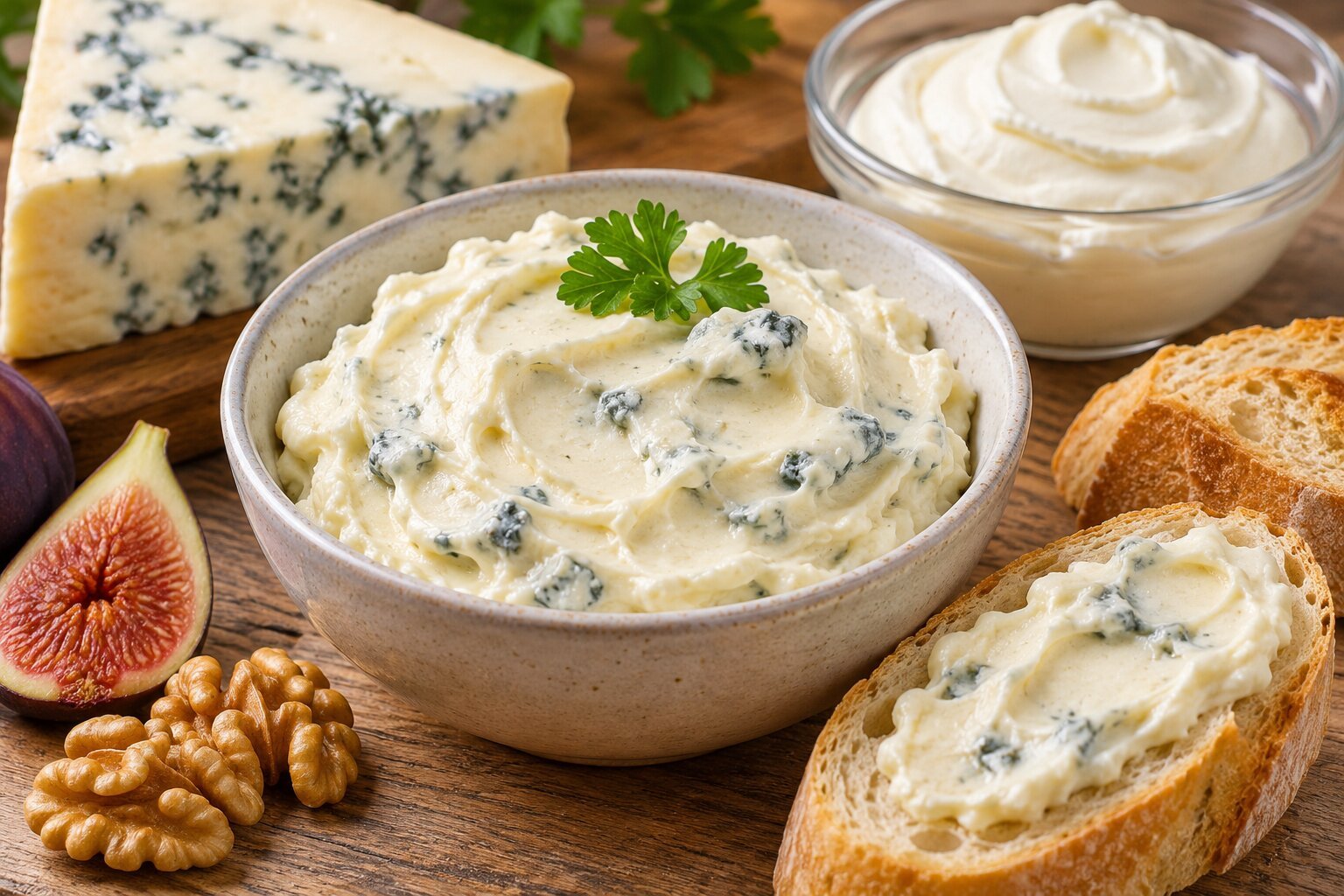
Masgonzola brings two rich Italian cheeses together in one creamy mix. It combines the bold taste of Gorgonzola with the smooth, mild flavor of mascarpone. The result is a soft cheese blend that is easy to spread, melt, and enjoy with many foods.
This cheese mix is a good choice for people who find blue cheese too strong. It works well in pasta, pizza, risotto, and simple snacks. Here is everything you need to know about Masgonzola, from its ingredients and taste to its uses and storage.
What Exactly Is Masgonzola?
Masgonzola is a creamy cheese mix made with Gorgonzola and mascarpone. Gorgonzola gives it a rich, tangy taste. Mascarpone adds a smooth, buttery feel. Together, they make a mild and creamy blend that is easy to enjoy.
The name Masgonzola comes from the names of these two cheeses. It is often used in Swiss and German food markets. Some sellers call it Mascarpone-Gorgonzola. Both names describe the same basic type of cheese blend.
Some products contain nearly equal parts of each cheese. Others may use more mascarpone for a softer taste. This means the flavor and texture can change from one brand to another.
Is Masgonzola a Real Cheese Variety?
Masgonzola is a real cheese product, but it is not a separate, officially protected cheese variety. It is better described as a blend of two well-known Italian cheeses.
Gorgonzola has Protected Designation of Origin (PDO) status in Europe. This means its name and production follow special rules. Masgonzola does not have the same separate protected status.
This difference is useful when buying cheese. A product sold as Masgonzola may have its own mix of ingredients. Reading the label helps you know what you are getting.
How Masgonzola Is Made
Masgonzola is made by combining Gorgonzola with mascarpone. Gorgonzola is a blue cheese made from cow’s milk. It has blue-green veins and a strong flavor. Mascarpone is a soft Italian cream cheese with a rich and mild taste.
The two cheeses are mixed or placed in layers. Some makers use almost equal amounts. Others change the ratio to create a milder or stronger flavor. The final product is usually soft, rich, and easy to spread.
Masgonzola does not need a separate aging process after the two cheeses are combined. The Gorgonzola has already been aged before mixing. The finished blend is then packed and kept cold until it is sold.
What Does Masgonzola Taste Like?
Masgonzola has a rich, creamy taste with a mild blue cheese flavor. The Gorgonzola adds a little salt, tang, and sharpness. The mascarpone makes the mix smoother and less intense.
Its texture is soft and thick. It spreads easily on bread and melts into warm food. Some versions have visible blue cheese veins or layers of white mascarpone.
The taste also depends on the type of Gorgonzola used. A mild Gorgonzola makes a softer blend. A stronger one gives the cheese more bite. This makes Masgonzola a good way to explore blue cheese without starting with its strongest flavors.
Masgonzola Nutrition: What the Numbers Actually Look Like
Masgonzola contains fat, protein, calcium, and calories. Its nutrition depends on the amount of Gorgonzola and mascarpone in the mix. A blend with more mascarpone will often contain more fat and have a richer texture.
Here is a simple look at what you can expect from this cheese.
| Nutrient | What to know |
|---|---|
| Calories | High due to its rich dairy ingredients |
| Protein | Comes mainly from the Gorgonzola |
| Total fat | Usually high |
| Saturated fat | A major part of its fat content |
| Calcium | Present in both cheeses |
| Sodium | Comes largely from Gorgonzola |
| Carbohydrates | Usually low, but varies by product |
There is no single nutrition chart for all Masgonzola products. Each maker may use a different recipe. For exact calories, fat, and salt levels, check the nutrition label on the package.
Is Masgonzola Healthy?
Masgonzola can be part of a balanced diet when eaten in small amounts. It provides some protein and calcium. These nutrients help support muscles, bones, and other body functions.
However, it is also rich in saturated fat and can contain a good amount of salt. Eating large portions often may not be a good choice for people who need to limit these nutrients.
A small serving can add plenty of flavor to a meal. You can pair it with vegetables, fruit, or whole-grain bread. This lets you enjoy its rich taste without using too much cheese.
Masgonzola vs. Gorgonzola: Which Should You Choose?
Masgonzola and Gorgonzola share some flavors, but they are not the same. Gorgonzola is a traditional Italian blue cheese. Masgonzola is a blend that uses Gorgonzola and mascarpone.
The biggest difference is how they taste and feel. Gorgonzola can have a bold, salty, and sharp flavor. Masgonzola is often milder because the mascarpone softens the blue cheese taste.
| Feature | Masgonzola | Gorgonzola |
|---|---|---|
| Type | Cheese blend | Traditional blue cheese |
| Main ingredients | Gorgonzola and mascarpone | Cow’s milk and cheese cultures |
| Flavor | Mild, creamy, tangy | Mild to strong, depending on type |
| Texture | Soft and spreadable | Creamy to firm |
| Best uses | Spreads, pasta, sauces | Salads, sauces, cheese boards |
| PDO status | No separate PDO status | Protected PDO cheese |
Choose Masgonzola if you want a smooth and gentle blue cheese flavor. Choose Gorgonzola if you enjoy a stronger cheese taste. Both can work well in cooking, but Masgonzola is often easier to use as a spread.
The Best Ways to Use Masgonzola
Masgonzola is useful in many dishes because it is soft and melts well. You can use it in hot meals or serve it cold. Its creamy taste works with bread, pasta, vegetables, and even some fruits.
You do not need special cooking skills to enjoy this cheese. A small amount can turn a simple dish into a rich meal. Here are some easy ways to use it at home.
Pasta and Creamy Sauces
Masgonzola works well in pasta sauces. Add a few spoonfuls to warm cooked pasta with a little pasta water. Stir gently until the cheese melts and coats the pasta.
You can add spinach, mushrooms, or cooked chicken for more flavor. Black pepper and a little garlic also work well. Taste the sauce before adding salt because the cheese may already be salty.
Risotto
Risotto is another good match for Masgonzola. The soft cheese blends into warm rice and makes it extra creamy.
Add the cheese near the end of cooking. Stir until it melts into the rice. You can also add mushrooms, peas, or walnuts for more texture.
Crostini, Bread, and Crackers
Masgonzola makes an easy spread for toasted bread. Place a small amount on warm crostini or crackers. Its soft texture makes it easy to serve.
For extra flavor, add sliced pears, walnuts, or a little honey. The sweet taste of fruit or honey works well with the salty blue cheese.
Dates and Other Appetizers
Sweet dates and creamy Masgonzola make a tasty pair. Cut a date open, remove the pit, and add a small spoonful of cheese.
You can also use it with figs, grapes, or apple slices. These snacks are easy to make for family meals or small parties.
Pizza, Flatbread, and Baked Dishes
Masgonzola can add a creamy touch to pizza and flatbread. Place small spoonfuls across the top before baking. It will soften and spread as the food heats.
It also works in baked potatoes and vegetable dishes. Try it with roasted mushrooms, spinach, or potatoes. Use a little at first so the cheese does not cover the other flavors.
How to Store Masgonzola
Masgonzola is a fresh, soft cheese blend that needs cold storage. Keep it in the fridge and follow the storage directions on the package. A fridge temperature of 40°F (4°C) or below is a good rule.
After opening, close the package well or place the cheese in a clean, sealed container. This helps keep it from drying out and taking on other food smells. Always use a clean spoon or knife when serving it.
Follow the label for how soon to eat it after opening. Do not leave it at room temperature for more than two hours, or one hour in very hot weather. Throw it away if it develops an unusual smell, unexpected mold growth, or other signs of spoilage. Blue veins from the original Gorgonzola are normal, but new mold should not be treated as safe.
How to Buy the Right Product
Masgonzola may not be sold under the same name in every store. Some shops label it as Mascarpone-Gorgonzola or Gorgonzola with mascarpone. You may find it in specialty cheese shops, Italian food stores, or larger supermarkets.
Read the ingredients before buying. A traditional blend should contain both Gorgonzola and mascarpone. Check the ratio if it is listed. More mascarpone often means a softer and milder flavor.
Also look at the use-by date, package condition, and storage instructions. Choose a product that has been kept cold. If you cannot find a ready-made version, you can make a simple blend at home using Gorgonzola and mascarpone.
How to Make Masgonzola at Home
Making a simple Masgonzola-style spread at home is easy. You only need two main ingredients. This is a useful option if local stores do not sell the ready-made blend.
Ingredients:
- 100 grams of Gorgonzola
- 100 grams of mascarpone
- A little black pepper, if desired
Place both cheeses in a clean bowl. Let them soften briefly in the fridge if needed, then mix with a fork until smooth. You can leave small pieces of Gorgonzola for extra texture.
Taste the mixture before adding anything else. For a milder spread, add more mascarpone. For a stronger taste, add more Gorgonzola. Serve it right away or keep it covered in the fridge. Use fresh ingredients and follow their storage dates.
FAQs
What is Masgonzola made of?
Masgonzola is made by combining Gorgonzola blue cheese with soft, creamy mascarpone.
Is Masgonzola the same as Gorgonzola?
No. Gorgonzola is a traditional blue cheese, while Masgonzola is a creamy blend of Gorgonzola and mascarpone.
What does Masgonzola taste like?
It tastes rich, buttery, and mildly tangy, with a softer blue cheese flavor than many types of Gorgonzola.
What can I use Masgonzola for?
You can use it in pasta, risotto, pizza, creamy sauces, bread spreads, and simple appetizers.
Where can I buy Masgonzola?
Look for it in specialty cheese shops, Italian food stores, and supermarkets under Masgonzola or Mascarpone-Gorgonzola.
A Better Way to Understand Masgonzola
Masgonzola is a simple mix of two Italian cheeses that brings rich flavor and a soft texture to everyday food. It is not a separate protected cheese variety, but it offers a useful way to enjoy Gorgonzola in a milder form.
Whether you spread it on bread, melt it into pasta, or add it to a snack, Masgonzola can make many dishes taste richer. Its mix of tangy blue cheese and smooth mascarpone makes it a good choice for anyone who enjoys creamy cheese with a little extra flavor.
More: Pravi Celer: Read Health Benefits Of Traditional Balkan Cooking
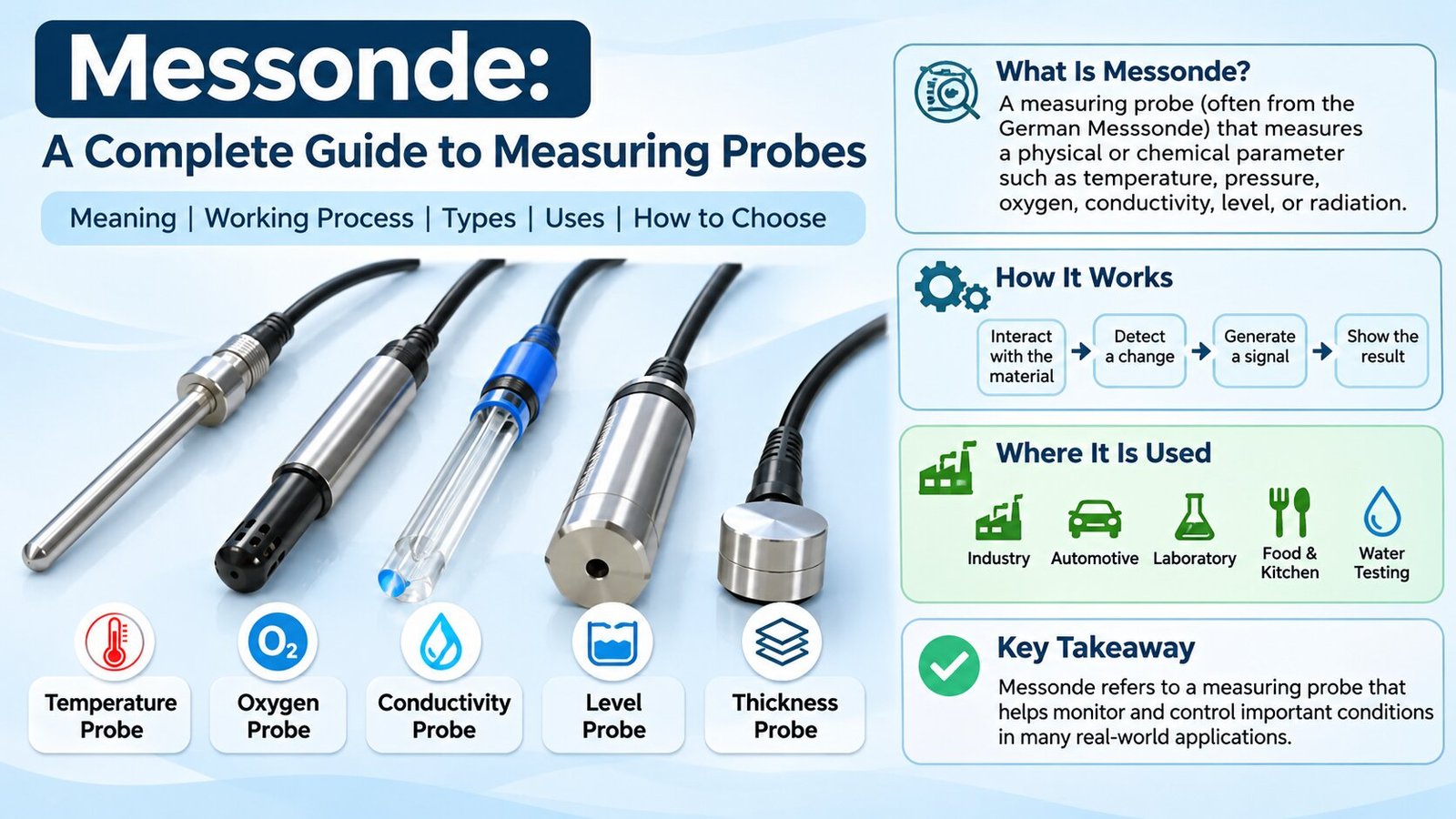
The word Messonde often appears in searches about measuring tools, sensors, and technical equipment. It may be a misspelling or shortened form of the German word Messsonde, which means measuring probe. These tools help measure temperature, pressure, gas levels, water quality, and other physical or chemical values.
Measuring probes are used in factories, laboratories, vehicles, and many other places. This guide explains what Messonde means, how measuring probes work, their main types, common uses, and how to choose the right one.
What Does Messonde Mean?
Messonde is not a widely recognized standard English engineering term. In many technical contexts, it may refer to the German word Messsonde. This word means measuring probe in English.
A measuring probe is a tool used to check a physical or chemical value. It may measure heat, pressure, oxygen, water levels, or electrical properties. The exact purpose depends on the type of probe.
These tools help workers collect useful data. They are common in science, engineering, and industrial testing. Some probes show results on a small screen, while others send data to a computer or control system.
Messonde vs. Messsonde: Why the Spelling Matters
The spelling of a technical word can change its meaning or make it harder to find the correct information. Messsonde is a German word made from Mess, which relates to measuring, and Sonde, which means probe.
Messonde has one fewer letter than Messsonde. It may appear because of a typing error, a translation issue, or an incorrect spelling on a website.
When searching for technical equipment, using the correct term is helpful. Searching for Messsonde or measuring probe may give more useful results than searching for Messonde alone.
How Does a Messonde Measuring Probe Work?
A measuring probe detects changes in the material or environment around it. It then turns those changes into information that a person or machine can read.
The working process depends on the type of sensor. However, many measuring probes follow a similar set of steps.
The probe comes into contact with the material
Some probes touch the material they measure. Others detect changes without direct contact. For example, a temperature probe may sit inside a liquid, while some thickness probes work from the surface of an object.
The sensor detects a change
A sensing part responds to heat, pressure, light, gas, or another property. This response may change an electrical value or create a small signal.
The probe produces a signal
The device turns the sensor’s response into a signal. This may be a change in voltage, current, resistance, or digital data.
The measuring system shows the result
A meter, controller, or computer reads the signal and converts it into a useful value. The result may appear as degrees, pressure units, oxygen levels, or another measurement.
Common Types of Messonde Measuring Probes
Different measuring jobs need different types of probes. A device made for checking heat may not work for testing water quality or gas levels.
Here are some common types of measuring probes.
| Probe Type | What It Measures | Common Use |
|---|---|---|
| Temperature probe | Temperature | Food, heating, machines |
| Pressure probe | Pressure | Pipes and industrial systems |
| Oxygen probe | Oxygen levels | Water testing and gas analysis |
| Conductivity probe | Electrical conductivity | Water quality |
| Level probe | Liquid level | Tanks and storage systems |
| Thickness probe | Material or coating thickness | Manufacturing |
| Radiation probe | Radiation | Safety monitoring |
Temperature Probes
Temperature probes measure how hot or cold something is. They are used in kitchens, factories, heating systems, and laboratories.
Common examples include thermocouples and resistance temperature detectors. Each type has its own measuring range and accuracy.
Oxygen and Gas Probes
Gas probes detect certain gases in air, liquids, or industrial systems. Oxygen probes are often used in water testing and vehicle exhaust systems.
These devices help workers monitor gas levels and control processes.
Conductivity and Salinity Probes
Conductivity probes measure how well a liquid carries electricity. This can help users check the amount of dissolved ions in water.
Salinity may also be estimated from conductivity when the correct method and settings are used.
Level Probes
Level probes measure how much liquid is inside a tank or container. Some use pressure, while others use electrical or other sensing methods.
They help control filling, storage, and liquid movement.
Coating and Thickness Probes
Thickness probes measure the thickness of materials or surface coatings. They are common in factories and quality testing.
Some use magnetic methods, while others use ultrasound or electrical techniques.
Where Are Messonde Measuring Probes Used?
Measuring probes are useful in many industries. They help workers check conditions, control machines, and find problems.
Industrial and Process Engineering
Factories use probes to monitor heat, pressure, liquid levels, and other values. This information helps machines work within their set limits.
For example, a temperature probe may help control a heating system. A pressure probe may monitor a pipe or storage tank.
Radiation Monitoring
Radiation probes help detect and measure certain types of radiation. They are used in research, safety testing, and specialized workplaces.
The correct device depends on the type of radiation being measured.
Automotive and Exhaust Testing
Vehicles use oxygen sensors to help control the fuel and air mixture in an engine. These sensors check oxygen in the exhaust gases.
Other probes may be used during engine testing and vehicle repairs.
Food and Kitchen Applications
Food temperature probes help check the inside temperature of meat, liquids, and other foods.
They are also used in food production to monitor heating and cooling.
Laboratory and Water Testing
Laboratories use probes to measure pH, oxygen, conductivity, and temperature. These values help researchers study water and other samples.
Water treatment plants also use sensors to monitor water conditions.
Messonde vs. Radiosonde vs. Sensor
Messonde, radiosonde, and sensor may sound similar, but they do not always mean the same thing.
A measuring probe is a device or part of a system used to take measurements. It often contains a sensor and may include a protective body, cable, or other parts.
A sensor is the part that detects a change. A radiosonde is a special device used to measure conditions in the atmosphere and send data by radio.
| Term | Meaning | Main Purpose |
|---|---|---|
| Messonde | Possible variant of Messsonde | General measuring probe |
| Messsonde | German term for measuring probe | Taking measurements |
| Sensor | Device or element that detects a change | Sensing a physical or chemical value |
| Radiosonde | Weather measuring device with radio transmission | Measuring atmospheric conditions |
Radiosondes are often carried by weather balloons. They measure values such as air temperature, humidity, and pressure as they rise through the atmosphere.
Is Messonde a Software or Brand Name?
Some online pages may describe Messonde as a digital platform, software tool, or business system. However, the word alone does not prove that such a product exists.
In technical documents, the more likely meaning may be a measuring probe, especially when the text comes from German.
It is important to check the full context. A product name, manufacturer, model number, or official manual can help identify the correct meaning.
Can Messonde Mean a Communication Framework?
Some online explanations may use Messonde to describe a communication framework or digital system. This meaning should not be treated as an established technical definition without reliable evidence.
In engineering, the related German word Messsonde has a clear meaning. It refers to a measuring probe.
If a website describes Messonde as a communication platform, check whether it gives technical documents, product details, or other proof. Without this information, the claim remains uncertain.
How to Choose the Right Messonde Measuring Probe
Choosing a measuring probe depends on the job. The wrong probe may give poor results or become damaged during use.
Start by deciding what you need to measure. Then check the conditions where the device will work.
- Measurement type: Choose a probe made for temperature, pressure, oxygen, conductivity, or another value.
- Operating environment: Check whether it can handle heat, moisture, chemicals, or other conditions.
- Measurement range: Make sure the expected values fall within the probe’s supported range.
- Accuracy: Check how close the results need to be to the true value.
- Output: Choose a device that works with your meter, computer, or control system.
- Calibration: Check whether the probe needs regular testing or adjustment.
- Maintenance: Follow the manufacturer’s instructions for cleaning, storage, and replacement.
A probe that works well in a laboratory may not be suitable for a factory. Always compare the device specifications with the needs of the job.
Why Calibration Matters for a Measuring Probe
Calibration helps users check whether a measuring device gives accurate results. It compares the probe’s readings with a known reference.
Over time, some probes may become less accurate. Heat, chemicals, dirt, wear, and aging can affect their performance.
Regular calibration helps users find measurement errors. Some devices can be adjusted after testing, while others may need repair or replacement. The correct schedule depends on the probe, its use, and the manufacturer’s guidance.
Common Mistakes When Searching for Messonde
People may find different meanings for Messonde online. This can make it hard to understand the term.
One common mistake is assuming that Messonde is always a company or product name. Another is thinking that every measuring probe works in the same way.
Some users also confuse measuring probes with radiosondes. These devices have different purposes. It is best to check the original language, technical details, and device specifications before making a choice.
Benefits and Limitations of Messonde Measuring Probes
Measuring probes can make testing faster and more useful. They help users collect data without relying only on visual checks or manual estimates.
Many probes can send readings to automated systems. This allows workers to monitor conditions and respond when values move outside the expected range.
However, probes also have limits. Some need direct contact with the material. Others require careful cleaning or regular calibration. A probe may also fail if used outside its approved temperature, pressure, or chemical limits.
Future of Measuring Probe Technology
Measuring probe technology continues to improve. Many modern systems use digital sensors and electronic controls to collect and process data.
Some devices can send readings to connected monitoring systems. This helps users view measurements from different locations and track changes over time.
Smaller sensors and better data systems may make monitoring easier in more settings. However, the need for proper installation, calibration, and maintenance remains important.
Conclusion
Messonde most likely refers to a measuring probe when it appears as a variation of the German word Messsonde. Such probes measure values like temperature, pressure, oxygen, conductivity, and liquid levels.
These devices are important in factories, laboratories, vehicles, food production, and water testing. Understanding how they work can help users choose the right tool and avoid common mistakes. The exact meaning of Messonde should always be checked against the original document or product details.
Frequently Asked Questions About Messonde
What does Messonde mean?
Messonde may be a misspelling or variation of the German word Messsonde, meaning measuring probe.
Is Messonde the same as Messsonde?
They may refer to the same thing in some contexts, but Messsonde is the recognized German spelling.
How does a Messonde measuring probe work?
It detects a physical or chemical change and sends a signal that a measuring system converts into a readable value.
What is the difference between Messonde and a radiosonde?
A measuring probe can measure many types of values, while a radiosonde is used to collect atmospheric data and send it by radio.
Is Messonde a software platform?
There is no basis to assume that the term refers to a specific software platform without further product information.

Plangud is an online name linked to digital planning, productivity, and better daily organization. The website presents itself as a digital planning framework and publishes articles about technology, business, lifestyle, and personal growth. It also shares ideas for managing tasks, setting goals, and planning a more organized week.
In 2026, Plangud is often described as a planning platform or productivity concept. However, its website mainly works as an online content platform, and not all claims about its software tools have been confirmed. Here is what Plangud offers, how its planning ideas work, and what readers should know.
What Is Plangud?
Plangud is a digital website that focuses on planning, productivity, and online information. Its main goal is to help readers learn about better ways to organize work and daily life.
The website uses the phrase “Your Digital Planning Framework.” It covers subjects such as work habits, time management, technology, and lifestyle. Readers can find guides and articles about making daily tasks easier.
Some online descriptions also call Plangud a project management platform. They mention digital calendars, task tracking, and team tools. However, these features should not be treated as confirmed software functions without further proof.
How Plangud Works
Plangud mainly works as an online publishing website. Visitors can read articles about planning, work, business, and technology. Its content aims to share useful ideas for daily tasks and personal goals.
The planning approach linked to Plangud starts with simple steps. A person sets a goal, divides it into smaller tasks, and chooses when to complete each one. This can help make large projects easier to manage.
For example, someone planning a busy week can write down important jobs, set deadlines, and check progress each day. These methods can be used with a notebook, calendar, or digital planning tool. They do not require a special Plangud application.
Main Features of the Plangud Website
Plangud offers several content sections for people interested in work, technology, and daily living. Its website has a blog-style layout with recent posts and topic categories.
The website covers technology, business, lifestyle, health, and other subjects. Readers can explore guides about productive workspaces, digital habits, and ways to manage their time.
Plangud also accepts guest posts, sponsored content, and business partnerships. This makes it a publishing platform for writers, brands, and marketers who want to share content with an online audience.
Plangud and Task Management
Task management means keeping track of work that needs to be done. It helps people decide what matters most and what should be completed first.
Plangud’s planning-related content supports the idea of making clear task lists. Instead of trying to finish everything at once, people can divide their work into smaller steps.
A simple daily task plan might include three important jobs, a few smaller tasks, and time for breaks. Checking off completed work can help people see their progress and prepare for the next day.
Habit Tracking and Daily Routines
Habit tracking is another idea linked to digital planning. It means keeping a record of actions that people want to repeat each day or week.
For example, someone may want to read for 20 minutes, exercise, or study each morning. A habit tracker can show how often these actions are completed. This makes it easier to notice patterns.
Plangud is sometimes linked to habit tracking in online descriptions. However, a built-in habit tracker has not been clearly verified on its website. Readers can still use the general planning ideas with other tools.
Schedule Management and Time Planning
A daily schedule helps people decide when to work, rest, and complete personal tasks. Good time planning can also reduce the stress of making last-minute choices.
Plangud publishes content about weekly planning and better work habits. These articles discuss setting priorities, making time for important work, and leaving room for changes.
A useful schedule should not fill every hour. People need time for meals, breaks, travel, and unexpected tasks. A flexible plan is often easier to follow than a strict one.
Plangud for Students and Personal Use
Students can use the planning ideas linked to Plangud to organize schoolwork, study time, and personal goals. A clear plan can make a busy school week feel easier.
For example, a student may divide a large assignment into research, writing, editing, and final review. Each part can have its own deadline. This helps avoid leaving all the work until the last day.
People can also apply these ideas at home. They may plan shopping, household tasks, fitness goals, or family activities. The methods are simple and can work without advanced software.
Plangud for Businesses and Teams
Businesses often need clear plans to manage projects and deadlines. Teams must know which tasks need attention and who is responsible for each job.
Some Plangud articles discuss project planning, teamwork, and digital workflows. These topics can help readers understand how businesses organize their work.
For example, a small marketing team may use a shared calendar to plan articles and campaigns. Team members can review deadlines and update progress. However, there is no clear independent proof that Plangud itself provides a working team dashboard with these functions.
Plangud and Digital Productivity
Digital productivity means using technology to complete work in a more organized way. It may involve calendars, task lists, online documents, and communication tools.
Plangud connects with this subject through its website content. It publishes articles about technology and productive work habits. These guides may help readers learn how to make better use of their time.
Good productivity is not just about completing more tasks. It also means choosing useful work, avoiding distractions, and knowing when to rest. Simple habits can make a real difference in daily life.
Plangud Compared With Other Planning Tools
Plangud is often mentioned alongside established planning tools. However, there is an important difference between its public website and dedicated task management software.
| Platform | Main Purpose |
|---|---|
| Plangud | Online articles and planning-related content |
| Trello | Visual task boards and project tracking |
| Asana | Team projects and task management |
| Notion | Notes, documents, and organized workspaces |
| Google Calendar | Events, reminders, and schedule planning |
Trello, Asana, Notion, and Google Calendar offer documented software tools. Plangud’s public website mainly presents articles and planning information.
Readers looking for a specific planning feature should check whether it is available before choosing a platform.
Is Plangud Free to Use?
Plangud’s public articles can be read through its website. Visitors can browse different subjects and explore the content without using a paid planning subscription.
The website also offers publishing and promotional services. These include guest posts, sponsored articles, and backlink opportunities for businesses and content creators.
There is no clearly verified public pricing plan for a separate Plangud productivity application. Claims about premium dashboards, paid subscriptions, or advanced planning tools should be checked carefully.
Is Plangud a Real Planning App?
Plangud has an active website that presents itself as a digital planning framework. Its pages contain articles about productivity, technology, business, and lifestyle.
However, the existence of a website does not prove that it offers a complete planning application. Public information does not clearly confirm a dedicated app, official software download, or fully working task management system.
This does not mean the website has no value. Its articles may still provide useful ideas. Readers should simply understand the difference between planning advice and software that performs planning tasks.
What Does Plangud Mean Outside Digital Planning?
The word “plangud” also has a meaning outside the online planning world. In Estonian, it is a plural form linked to wooden planks or boards.
This meaning is separate from the digital website. It can appear in discussions about timber, woodworking, flooring, and building materials.
The different meanings explain why online searches may show unrelated results. When Plangud appears in a technology article, it usually refers to the website or a planning idea. In Estonian building contexts, it may refer to wooden boards.
Benefits and Limits of Plangud
Plangud can be useful as a source of general planning and lifestyle information. Its articles cover subjects that may interest students, workers, business owners, and people who want better daily habits.
Its main strength is the range of topics available on the website. Readers can explore planning advice along with technology, business, and lifestyle content.
The main limit is the lack of clear proof for some software claims. Readers should not assume that Plangud offers automatic task tracking, artificial intelligence tools, or advanced team features simply because these are mentioned in online articles.
Final Thoughts
Plangud is an online content platform connected with digital planning, productivity, technology, and lifestyle. It shares articles that may help readers understand task management, weekly schedules, and better work habits.
In 2026, Plangud continues to appear in discussions about online planning tools and personal organization. While its website is active, its claimed software features remain unclear. For now, it is best understood as a planning-related website and source of general information rather than a fully verified productivity application.
Quick Facts About Plangud
| Information | Details |
|---|---|
| Name | Plangud |
| Website | plangud.com |
| Type | Online publishing and planning-related website |
| Website tagline | Your Digital Planning Framework |
| Main topics | Productivity, technology, business, lifestyle |
| Content format | Articles and online guides |
| Target readers | General readers, workers, bloggers, businesses |
| Guest posting | Offered |
| Sponsored content | Offered |
| Dedicated planning app | Not independently verified |
| Software pricing | Not clearly confirmed |
| Current status | Website active in 2026 |
Frequently Asked Questions
What is Plangud used for?
Plangud is mainly used to read online articles about planning, productivity, technology, business, and lifestyle.
Is Plangud a free planning tool?
Its public articles are accessible online, but a separate free planning application has not been verified.
Does Plangud offer habit tracking?
Habit tracking is linked to Plangud in some online articles, but a built-in tracking feature has not been confirmed.
Can businesses use Plangud?
Businesses can explore its content and inquire about guest posting, sponsored articles, and promotional services.
Is Plangud a website or an app?
Plangud is an active website, while the existence of a dedicated productivity app remains unconfirmed.

Masgonzola Cheese: A Creamy Blend of Two Italian Favorites

Lori Anne Allison: Meet Johnny Depp’s First Wife and Makeup Artist

Urlwo: The Easy Way to Create Short and Branded Links

Who Is Preetha Nooyi? How Is Indra Nooyi’s Daughter Building Her Own Quiet Path in Business?

Freda Morris Biography: The Private Life of Garrett Morris’s Wife

Arrow Eve Reynolds: The Oldest Daughter of Imagine Dragons Frontman Dan Reynolds and Musician Aja Volkman
-
 Celebrity5 months ago
Who Is Preetha Nooyi? How Is Indra Nooyi’s Daughter Building Her Own Quiet Path in Business?
-
 Celebrity3 months ago
Freda Morris Biography: The Private Life of Garrett Morris’s Wife
-
 News2 months ago
Arrow Eve Reynolds: The Oldest Daughter of Imagine Dragons Frontman Dan Reynolds and Musician Aja Volkman
-

 Entertainment4 months ago
Who Is Charlie McKittrick? All About Ana Gasteyer’s Husband and His Life
-

 Business4 months ago
Who Is Vaughn Rasberry? All About Tatyana Ali’s Husband, Stanford Career, Family, and Net Worth
-

 Celebrity4 months ago
Who is Brock Peters’ First Wife? All You Need To Know About Dolores Daniels
-

 Celebrity3 months ago
Arielle Zuckerberg: Meet Mark Zuckerberg’s Youngest Sister, Building Her Own Tech Legacy
-

 Celebrity4 months ago
The Untold Story of Elgin Charles Williams: From Beverly Hills Hair Empire to Jackée Harry’s Ex-Husband