
Health
What Does Wondrand Mean? A Simple Guide to Wound Care


Wondrand is a Dutch medical term that means “wound edge” or “wound margin” in English. It describes the area where an open wound meets the surrounding skin. Doctors and nurses examine this area to check how well a wound is healing. Changes in the wound edge can show signs of healthy skin growth, excess moisture, or delayed healing.
Understanding wondrand can help people learn more about wound care. The wound edge may look pink, white, swollen, or rolled, depending on the injury and healing stage. This guide explains what wondrand means, how wound edges change, and how to care for a wound safely.
What Is Wondrand?
Wondrand is a Dutch word used to describe the edge of a wound. The word comes from two Dutch terms: wond, meaning wound, and rand, meaning edge or border.
In medical care, the wound edge is the boundary between damaged tissue and the surrounding skin. Healthcare workers examine this area when checking an injury.
The condition of the wound edge can provide useful information about healing. A healthy edge may show new skin growth, while an unhealthy edge may look swollen, damaged, or unusually soft.
Wondrand is not a disease, medicine, or medical treatment. It is simply a term for an important part of a wound.
Why Is Wondrand Important in Wound Healing?
The wound edge plays a key role in the healing process. New skin cells move across the wound surface to help close the damaged area.
Doctors and nurses watch the wound edge to see whether this process is moving forward. A wound that becomes smaller over time may be healing well.
Changes in the wound edge can also point to problems. Too much moisture may damage nearby skin. Rolled edges can make it harder for new skin to cover the wound.
Checking the wound edge is only one part of wound care. Healthcare workers also look at wound size, depth, drainage, pain, and the surrounding skin.
Different Types of Wondrand
Wound edges can look different depending on the injury, moisture level, and stage of healing. Learning these common types can help you understand what healthcare workers look for.
Healthy Wound Edges
Healthy wound edges often look smooth and remain close to the surrounding skin. A thin layer of new pink skin may appear as the wound starts to close.
This new skin is a sign that the body is repairing damaged tissue. The wound may slowly become smaller as healing continues.
Macerated Wound Edges
Maceration happens when the skin around a wound stays too wet for too long.
The wound edge may appear white, soft, or wrinkled. It can also become fragile and more likely to break down.
Too much wound fluid or a dressing that does not manage moisture well can cause this problem.
Rolled Wound Edges
Rolled wound edges are also called epibole. They occur when the upper skin layer curls inward or rolls under at the edge of a wound.
This can stop new skin cells from moving across the wound surface. As a result, the wound may remain open.
Rolled edges are more common in wounds that have been slow to heal. They should be assessed by a healthcare professional.
Swollen Wound Edges
Swollen edges may appear raised, puffy, or red. Swelling can happen after an injury as part of the body’s normal response.
However, swelling that increases or comes with warmth, spreading redness, or worsening pain may be a warning sign.
Dry or Damaged Wound Edges
Some wound edges become very dry, cracked, or hard. Dry skin can split and cause more damage around the wound.
Dead tissue may also appear around certain wounds. It can look dark, brown, or black.
A healthcare professional should assess wounds with dead tissue or signs of poor healing.
How Does Wondrand Heal?
Wound healing takes place in several stages. The time needed depends on the size, depth, and type of injury.
First Stage: Stopping the Bleeding
When the skin is injured, the body works to stop bleeding. Blood vessels narrow, and a clot forms to help seal the damaged area.
This process begins soon after an injury.
Second Stage: Inflammation
The body sends immune cells to the injured area. These cells help clear damaged tissue and protect against infection.
Mild redness, warmth, and swelling can occur during this stage. These signs should usually improve as healing continues.
Third Stage: New Tissue Growth
The body begins to build new tissue. Small blood vessels form, and new skin cells start moving across the wound.
The wound edge plays an important role during this stage. New skin grows from the edges and helps cover the open area.
Fourth Stage: Skin Strengthening
After the wound closes, the new tissue continues to change and become stronger.
A scar may form and slowly fade over time. Even after healing, scar tissue may remain weaker than the original skin.
How to Care for Wondrand at Home
Good wound care can help protect the skin and support healing. However, the right treatment depends on the wound.
The following steps are suitable for many small, minor cuts and scrapes.
Step 1: Wash Your Hands
Wash your hands with soap and clean water before touching a wound.
This helps reduce the chance of introducing germs into the injured area.
Step 2: Clean the Wound
For a small cut or scrape, rinse the wound gently with clean running water.
Use mild soap on the surrounding skin if needed. Avoid scrubbing the wound or using harsh cleaning products.
Hydrogen peroxide and rubbing alcohol can irritate healing tissue and are generally not recommended for routine cleaning.
Step 3: Protect the Wound Edge
Keep the wound protected from dirt and repeated rubbing.
For many minor wounds, a thin layer of plain petroleum jelly can help prevent the surface from drying out too much.
Do not pick at scabs or pull loose skin from the wound edge.
Step 4: Apply a Suitable Dressing
Cover the wound with a clean, nonstick dressing when needed.
A dressing can help protect the area and support a moist healing environment. The goal is to keep the wound moist enough for healing, but not so wet that the surrounding skin becomes damaged.
Step 5: Change the Dressing
Follow the dressing instructions and replace it when it becomes wet, dirty, or loose.
Check the wound for changes when replacing the dressing.
Step 6: Watch for Healing Signs
Look for a wound that slowly becomes smaller, with less pain and no new signs of infection.
If the wound gets worse or does not show signs of healing, seek medical advice.
These steps do not replace professional treatment for deep cuts, burns, animal bites, infected wounds, or wounds linked to diabetes or poor circulation.
Signs of a Healthy Wondrand
A healthy wound edge often changes as new skin grows. Some signs may include:
- The wound slowly becomes smaller.
- New pink skin begins to form at the edges.
- Pain and swelling decrease over time.
- The surrounding skin stays intact.
- There is no spreading redness or increasing warmth.
- The wound does not develop a bad smell or pus.
Not every wound heals at the same speed. A small cut may improve within days, while a deeper wound can take weeks or longer.
Warning Signs of Poor Wound Healing
Some wound changes need medical attention.
Common warning signs include:
- Redness that spreads beyond the wound.
- Pain or swelling that becomes worse.
- Thick pus or unpleasant-smelling drainage.
- Fever or feeling unwell.
- Skin around the wound turning black or showing signs of tissue death.
- A wound that becomes larger or deeper.
- Rolled edges or a wound that stops closing.
Seek urgent medical care for rapidly spreading redness, severe pain, fever with worsening wound symptoms, or signs of a serious infection.
Deep wounds, uncontrolled bleeding, loss of feeling, and wounds caused by serious injuries also need prompt medical care.
What Causes Wondrand Problems?
Several factors can affect the wound edge and slow healing.
Too Much Moisture
Excess moisture can soften and damage the skin around a wound. This is called maceration.
Dressings that do not manage wound fluid properly may increase this problem.
Infection
An infection can damage tissue and delay healing. It may cause increasing pain, redness, warmth, swelling, or pus.
Poor Blood Circulation
Blood carries oxygen and nutrients to healing tissue. Poor circulation can make it harder for a wound to repair itself.
This can be a concern for people with certain blood vessel problems.
Diabetes
Diabetes can affect blood flow, nerves, and the body’s ability to heal.
People with diabetes should take foot wounds seriously, even when the injury seems small.
Repeated Pressure or Friction
Constant pressure or rubbing can damage healing skin.
This may happen when shoes rub against a wound or when pressure remains on one part of the body for a long time.
Wondrand and Wound Dressings
Dressings help protect wounds and manage moisture. The right type depends on the amount of wound fluid, the condition of the skin, and the wound itself.
| Dressing Type | Common Use |
|---|---|
| Nonstick dressing | Protects small wounds without sticking to healing tissue |
| Foam dressing | Helps absorb moderate wound fluid |
| Hydrocolloid dressing | Supports moist healing in suitable wounds |
| Hydrogel dressing | Adds moisture to selected dry wounds |
| Alginate dressing | Absorbs fluid from wounds with heavier drainage |
| Barrier film or cream | Helps protect surrounding skin from moisture damage |
Not every dressing is suitable for every wound. Some may be inappropriate for infected wounds, deep injuries, or wounds with poor blood flow.
A wound care professional can help select the right dressing when healing is slow or the wound is complex.
Wondrand vs. Wundrand: What Is the Difference?
Wondrand and Wundrand have the same basic meaning, but they come from different languages.
| Term | Language | English Meaning |
|---|---|---|
| Wondrand | Dutch | Wound edge or wound margin |
| Wundrand | German | Wound edge or wound margin |
| Wound edge | English | Border of a wound |
Both Dutch and German healthcare workers may use these terms when describing the condition of a wound.
The words refer to the same part of the injured skin. They do not describe different diseases or treatments.
Can Wondrand Heal Naturally?
Yes, many small wounds heal naturally when the body is healthy and the injury receives proper care.
The skin repairs itself through clotting, inflammation, tissue growth, and strengthening. New skin cells move across the wound to help close it.
However, not every wound heals without medical treatment.
Deep wounds, infections, poor circulation, and long-term health problems can slow or prevent healing. Some wounds need special dressings, stitches, or professional wound care.
How Long Does Wondrand Take to Heal?
The healing time depends on the type and severity of the wound.
A small, shallow cut may heal within several days to about two weeks. Deeper wounds may take several weeks or longer.
Long-lasting wounds, such as some pressure injuries or diabetic foot ulcers, can take much longer and may require specialist care.
Age, nutrition, blood flow, infection, and other health conditions can also affect recovery.
The best way to track healing is to look for steady improvement rather than expect every wound to close within a fixed number of days.
Common Mistakes to Avoid in Wondrand Care
Poor wound care can delay healing or damage the skin around an injury.
Avoid these common mistakes:
- Using harsh chemicals to clean a wound.
- Leaving a dirty or wet dressing in place.
- Picking at scabs or damaged skin.
- Applying unsuitable creams or home remedies.
- Ignoring increasing pain or spreading redness.
- Keeping the wound too wet or allowing the surrounding skin to break down.
- Trying to cut away dead tissue or rolled edges at home.
For wounds that are not healing normally, professional care is safer than trying several home treatments.
Final Thoughts
Wondrand is the Dutch term for the edge of a wound. It is an important part of wound assessment because changes around the edge can show whether healing is moving forward or facing problems.
Healthy wound edges may show new skin growth, while white, rolled, swollen, or damaged edges can point to moisture problems or delayed healing. Keeping minor wounds clean, protected, and properly dressed can support recovery.
If a wound becomes infected, grows larger, or fails to improve, a healthcare professional should examine it.
FAQs
What does wondrand mean in English?
Wondrand means “wound edge” or “wound margin” in English.
Is wondrand a medical condition?
No, wondrand is a Dutch medical term for the border between a wound and the surrounding skin.
What does a healthy wondrand look like?
A healthy wound edge may look smooth, with new pink skin forming as the wound closes.
Why does a wound edge turn white?
A white, soft, or wrinkled wound edge may be caused by too much moisture, known as maceration.
How can I help a wound edge heal faster?
Keep minor wounds clean, use a suitable dressing, protect the skin, and seek medical care if healing does not improve.
Read more: Provascin: A Closer Look at Its Ingredients and Benefits of Purica Product

Wollmatten are soft wool mats used for yoga, meditation, and rest. They offer a warm and cozy surface that feels gentle on the body. Many wool yoga mats have a top layer made from sheep’s wool or Merino wool. They may also have a non-slip base to help keep the mat in place.
Unlike thin rubber or foam mats, Wollmatten focus on warmth and comfort. They are often used for Yin Yoga, restorative yoga, and other slow activities. Their natural fibers can help manage moisture and make long periods of rest more pleasant.
What Are Wollmatten?
Wollmatten is a German word that means “wool mats.” The term can refer to many types of mats made from wool. These include yoga mats, meditation mats, and wool floor coverings.
In yoga, Wollmatten usually have a soft wool surface. Some are made from pure sheep’s wool, while others use a mix of wool and other fibers. Many have a backing made from cotton, natural latex, or another material that helps the mat stay in place.
These mats are often thicker and warmer than standard yoga mats. They work well for slow movements, seated poses, and long periods of rest. However, they may not offer enough grip for fast or sweaty yoga sessions.
Why Wool Works Well for Slow Yoga
Slow yoga focuses on gentle movements, breathing, and holding poses. A comfortable surface can make these activities easier. Wool provides a soft layer between the body and the floor.
Wool fibers can trap air, which helps reduce heat loss. This makes Wollmatten useful in cool rooms or on cold floors. The extra warmth can be helpful during poses that require staying still for several minutes.
Wool also has a soft feel against the skin. It can make seated and lying poses more pleasant. However, the level of comfort depends on the wool type, pile height, and mat thickness.
Why Are Wollmatten Popular for Yin Yoga?
Yin Yoga involves holding gentle poses for several minutes. Many poses are done while sitting or lying on the floor. Because the body stays still for long periods, warmth and comfort are important.
Wollmatten provide a soft surface for these long holds. The wool layer can help reduce the cold feeling of a hard floor. This is useful during poses such as Butterfly Pose, Child’s Pose, and Reclined Butterfly Pose.
A wool mat may also make the practice feel more relaxing. Still, it does not replace proper support. Yoga blocks, cushions, and folded blankets may be needed to support the knees, hips, or back.
Wool Mats for Meditation and Yoga Nidra
Meditation often involves sitting in one position for a long time. A wool mat can provide a warm surface beneath the body. It may also make sitting on the floor more comfortable.
Wollmatten are also used for Yoga Nidra. This practice usually involves lying still while following guided relaxation. A wool mat helps create a cozy space, especially when paired with a pillow or blanket.
For seated meditation, some people place a cushion on top of the mat. This raises the hips and may help improve sitting comfort. The mat protects the body from direct contact with a cold or hard floor.
How Wool Yoga Mats Are Made
Wool yoga mats are made using different methods. The process depends on the type of wool, the surface design, and the backing material.
Some Wollmatten use a woven wool fabric. Others have wool fibers attached to a fabric base to create a soft pile. Felted wool mats are another option. These are made by pressing wool fibers together using moisture, heat, or pressure.
Many yoga mats also include a backing layer. This may be made from cotton, latex, or synthetic materials. The backing helps support the wool and may improve floor grip. The exact materials vary by product.
Short Pile or High Pile: Which Is Better?
Wollmatten come with different wool pile heights. Pile refers to the length of the wool fibers above the mat’s base. Both short-pile and high-pile mats have useful features.
Short-pile wool mats have a flatter surface. They often feel firmer and may offer better support for yoga poses. Their shorter fibers can also make them easier to brush and clean.
High-pile wool mats have longer fibers and a softer feel. They can be comfortable for meditation, Yoga Nidra, and relaxation. However, the thick surface may feel less stable during standing or balancing poses.
The best choice depends on how the mat will be used. Short-pile mats are often more practical for gentle movement. High-pile mats may suit people who mainly want a warm place to rest.
Grip and Floor Stability
Grip is an important part of choosing a yoga mat. A mat that moves during practice can make poses harder and may increase the risk of slipping.
Some Wollmatten have a non-slip latex or rubber backing. This helps the mat stay in place on smooth floors. Other wool mats use a fabric backing that may offer less grip.
The wool surface itself may also feel slippery during certain movements. For this reason, wool mats are usually better suited to slow yoga than fast styles such as Vinyasa or Power Yoga.
Before using a wool mat, place it on a clean, dry floor. Test its grip with simple movements. Make sure it does not slide or bunch up during practice.
Moisture, Breathability, and Odor
Wool has natural properties that help it manage moisture. Its fibers can absorb water vapor from the air and release it as conditions change. This can help the surface feel more comfortable.
Wollmatten may also allow air to move through the wool layer. However, breathability depends on the full mat design. A thick or waterproof backing can reduce airflow.
Wool can resist the buildup of some odors, but it is not odor-proof. Sweat, dirt, and moisture can still cause smells over time. Regular airing and proper cleaning help keep the mat fresh.
After use, allow the mat to dry fully before rolling or storing it. This is especially important after a warm or humid yoga session.
Choosing the Right Size and Thickness
The right mat size depends on your height and the activities you plan to do. A mat should provide enough room for your body when sitting, stretching, or lying down.
Many standard yoga mats are about 68 to 72 inches long and 24 inches wide. Wool mats are also sold in larger sizes. A longer or wider mat can provide more space for relaxation.
Thickness is another important factor. A thicker wool layer may feel softer and warmer. However, extra softness can make balance more difficult.
| Feature | What to Look For |
|---|---|
| Material | Sheep’s wool, Merino wool, or wool blends |
| Length | Enough space to lie down comfortably |
| Width | Room for seated and lying poses |
| Thickness | Soft enough for comfort but firm enough for support |
| Pile height | Short pile for movement, high pile for rest |
| Backing | Non-slip material for better floor grip |
| Cleaning | Clear care instructions from the maker |
Choose a mat based on how you plan to use it. For Yin Yoga, a warm and soft surface may be the main goal. For general yoga, grip and stability are more important.
How to Clean and Care for Wool Mats
Wollmatten need gentle care to protect their wool fibers. Harsh cleaning products, high heat, and rough washing can damage the surface.
Start by shaking the mat outdoors to remove loose dust. You can also use a soft brush or a vacuum with a gentle setting, if the maker allows it. This helps remove dirt trapped between the fibers.
For small stains, use a clean cloth with cool water. A mild wool-safe cleaner may help, but always check the care label first. Avoid soaking the mat unless the maker says it is safe to wash.
After cleaning, let the mat dry fully in a well-ventilated area. Keep it away from direct heat, such as radiators or hot dryers. Some wool mats may shrink or lose their shape when exposed to high temperatures.
Store the mat in a dry place. If you roll it, avoid tight folds that could damage the backing. Good care can help the mat keep its shape and soft feel.
Are Wollmatten Right for You?
Wollmatten can be a good choice for people who enjoy gentle yoga, meditation, and rest. Their wool surface provides warmth and a soft place to sit or lie down.
They are especially useful for people who practice Yin Yoga, restorative yoga, or Yoga Nidra. They may also appeal to those who prefer natural fibers over fully synthetic surfaces.
However, wool mats are not ideal for every activity. They may be less suitable for hot yoga, fast movements, or poses that need strong hand and foot grip. People with wool sensitivities should also check the materials before buying.
Here is a simple comparison of wool mats and standard yoga mats.
| Feature | Wollmatten | Standard Rubber or Foam Mats |
|---|---|---|
| Surface | Soft wool | Rubber or foam |
| Warmth | Often warmer | Depends on material |
| Comfort | Good for resting poses | Depends on thickness |
| Grip | Varies by design | Often designed for active yoga |
| Best use | Yin Yoga, meditation, relaxation | General and active yoga |
| Cleaning | Often needs gentle care | Usually easy to wipe clean |
| Weight | Varies by size and design | Varies by material |
| Moisture handling | Wool absorbs moisture vapor | Depends on surface material |
Before buying, consider your yoga style, room temperature, cleaning needs, and budget. These factors can help you choose a mat that fits your routine.
Final Thoughts
Wollmatten offer a warm and comfortable surface for yoga, meditation, and relaxation. Their wool fibers make them different from common rubber and foam mats. They are especially useful for slow practices that involve sitting or lying still.
The best wool mat should have the right size, pile height, and backing for your needs. Check the materials and care instructions before buying. With proper use and regular care, Wollmatten can be a practical part of a gentle yoga routine.
Frequently Asked Questions
What are Wollmatten made of?
Wollmatten are made from wool, often sheep’s wool or Merino wool, with some designs using a fabric or non-slip backing.
Are Wollmatten good for Yin Yoga?
Yes. Their warm, soft surface can make long seated and lying poses more comfortable.
Can you wash Wollmatten?
Some wool mats can be washed, while others need spot cleaning. Always follow the maker’s care instructions.
Are wool yoga mats better than rubber mats?
Wool mats are often better for warmth and rest, while rubber mats usually offer more grip for active yoga.
Do Wollmatten work on wooden floors?
Yes, but choose a mat with a non-slip backing and test its grip before starting yoga.
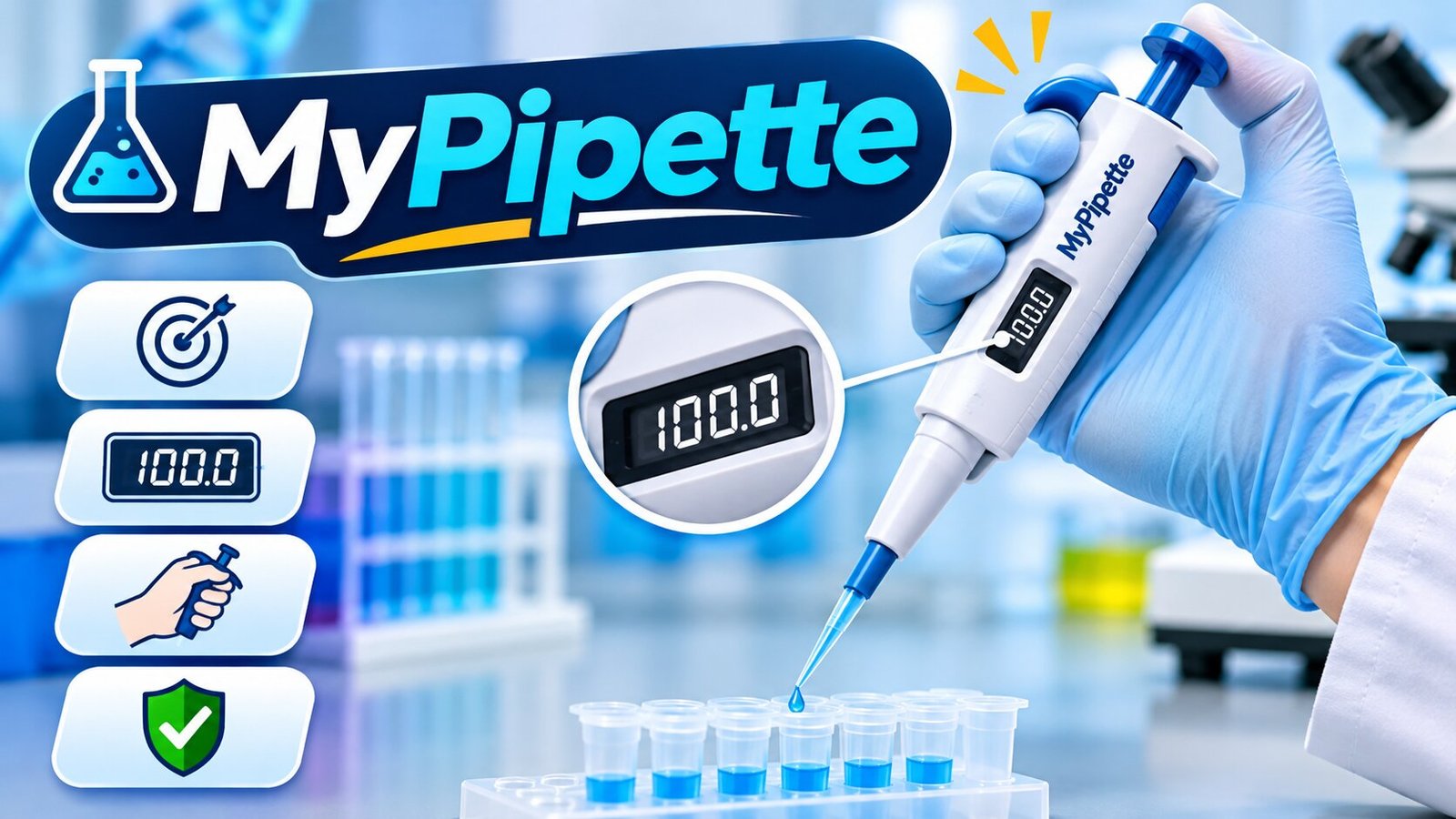
MyPipette is a laboratory tool designed to transfer small amounts of liquid with care and control. It is described as an adjustable pipette with a comfortable grip, smooth piston movement, and a clear volume display. These features aim to help laboratory workers handle liquids during research, testing, and daily experiments.
MyPipette may be useful in medical labs, research centers, and quality-control facilities. However, its exact manufacturer, model specifications, and tested accuracy are not clearly documented in the available product overview. Understanding how it works can help buyers decide whether it meets their needs.
What Is MyPipette?
MyPipette is described as a precision laboratory pipette used to measure and transfer small amounts of liquid. It helps laboratory workers move liquid samples from one container to another.
Many laboratory tests require very small amounts of liquid. Even a small change in volume can affect the results. A suitable pipette helps workers measure and transfer these amounts with greater control.
MyPipette is promoted for its adjustable volume, easy-to-read display, and comfortable design. These features are intended to make daily laboratory tasks easier.
However, the name MyPipette does not clearly identify one verified product model. Buyers should check the manufacturer and product details before ordering.
How Does MyPipette Work?
A laboratory pipette works by drawing liquid into a disposable tip and then releasing it into another container.
In a typical manual air-displacement pipette, the user presses a plunger to move a piston. Releasing the plunger creates suction that draws liquid into the attached tip.
The user then presses the plunger again to release the liquid. This process allows small amounts of liquid to be moved between tubes, bottles, and other laboratory containers.
MyPipette is described as having smooth piston movement. However, its exact operating mechanism has not been confirmed through a model-specific manual.
Main Features of MyPipette
MyPipette is promoted with several features that may help laboratory workers perform routine tasks. The available description focuses on ease of use, volume control, and comfort.
Adjustable Volume Settings
One of the main features described for MyPipette is adjustable volume control.
This allows users to select the amount of liquid they want to transfer. Variable-volume pipettes are useful when a laboratory handles different sample sizes.
For example, a worker may need a small amount of liquid for one test and a larger amount for another.
The exact volume range of MyPipette has not been verified. Users should always check the approved range before selecting a volume.
Clear Volume Display
MyPipette is also described as having a numerical volume display.
A clear display helps users check the selected volume before transferring liquid. This can reduce mistakes caused by choosing the wrong setting.
The available product description does not confirm whether the display is mechanical or electronic.
A numerical display alone does not mean that a pipette uses electronic controls.
Comfortable and Ergonomic Design
Laboratory workers may use pipettes hundreds of times during a busy day. Repeated hand movements can become tiring.
MyPipette is promoted as an ergonomic tool designed for comfortable handling.
A well-designed pipette should be easy to hold and operate. The plunger and tip-ejection button should also work without excessive force.
However, no verified weight, operating-force measurements, or user comfort studies were provided for MyPipette.
Smooth Piston Movement
Smooth piston movement is another feature mentioned in the MyPipette overview.
The piston plays an important role in drawing liquid into the tip and releasing it. A smooth mechanism can make the process easier to control.
However, consistent liquid delivery also depends on the operator’s technique, the selected tips, and the condition of the pipette.
Tip Compatibility
Disposable tips are an important part of pipetting.
A properly fitted tip helps create a secure seal. A loose or damaged tip may allow air to enter and affect the amount of liquid transferred.
MyPipette’s compatibility with universal or brand-specific tips has not been confirmed.
Users should check the manufacturer’s approved tip list before buying supplies.
MyPipette Specifications
The available MyPipette product overview describes several general features but does not provide complete technical specifications.
| Specification | Available Information |
|---|---|
| Product name | MyPipette |
| Product type | Laboratory pipette |
| Main purpose | Measuring and transferring liquids |
| Volume control | Adjustable |
| Volume display | Numerical indication |
| Piston movement | Described as smooth |
| Design | Ergonomic |
| Manufacturer | Not clearly identified |
| Volume range | Not verified |
| Number of channels | Not confirmed |
| Accuracy figures | Not publicly verified |
| Tip compatibility | Not specified |
| Calibration certificate | Not confirmed |
| Warranty | Not established |
These details should be confirmed with the supplier before purchasing the product.
Where Is MyPipette Used?
Pipettes are used in many laboratories because they help workers handle measured amounts of liquid.
MyPipette is described as suitable for several research and testing fields. Its actual suitability depends on the exact model and the work being performed.
Medical and Clinical Laboratories
Clinical laboratories use pipettes to prepare samples and transfer reagents.
These tasks may support blood tests, diagnostic assays, and other laboratory procedures.
Correct liquid volumes are important because they can affect test results.
A pipette used in clinical testing must meet the laboratory’s quality requirements. MyPipette would need to be checked and approved for the intended method.
Molecular Biology Research
Molecular biology laboratories often work with DNA, RNA, enzymes, and other biological materials.
These samples may require transfers of only a few microliters.
Pipettes are commonly used during PCR preparation, sample dilution, and other research tasks.
MyPipette may be considered for these applications if its volume range, accuracy, and tip compatibility meet the method’s needs.
Pharmaceutical Laboratories
Pharmaceutical laboratories use pipettes during drug research, testing, and sample preparation.
Workers may need to transfer reagents or prepare solutions with carefully measured volumes.
Reliable liquid handling helps support consistent testing.
Before using MyPipette in a regulated laboratory, staff should verify its performance and confirm that it meets the required procedures.
Food Testing Laboratories
Food testing laboratories use pipettes to prepare samples and measure liquids.
These tasks may involve checking food quality, preparing dilutions, or testing for unwanted substances.
A suitable pipette can help workers handle many samples in a consistent way.
The correct pipette type depends on the liquid and the amount being transferred.
Educational Laboratories
Schools, colleges, and universities also use pipettes to teach laboratory skills.
Students learn how to measure small amounts of liquid, use disposable tips, and avoid contamination.
An easy-to-read display and comfortable grip can be helpful for beginners.
MyPipette may be suitable for teaching if its specifications, safety, and durability meet the institution’s requirements.
Why Accuracy and Precision Matter in MyPipette
Accuracy and precision are two important terms in laboratory work. They are related, but they do not mean the same thing.
Accuracy means how close a measured result is to the intended value.
Precision means how similar repeated measurements are to one another.
For example, imagine that a pipette is set to transfer 100 microliters of liquid.
If it repeatedly delivers 95 microliters, the results are consistent but not accurate.
If it delivers different amounts that average 100 microliters, its average may be accurate, but its precision may be poor.
A good pipette should provide both suitable accuracy and precision for the intended task.
No verified accuracy or precision figures are available for the MyPipette product described here. Buyers should request test data before relying on it for important measurements.
How to Use MyPipette Correctly
Good pipetting technique is important for reliable results. Even a high-quality instrument can produce poor results when used incorrectly.
For a typical manual air-displacement pipette, the basic process is:
- Check that the pipette is clean and ready for use.
- Select a volume within its approved range.
- Attach a clean and compatible disposable tip.
- Press the plunger to the first stop.
- Place the tip into the liquid at the correct depth.
- Slowly release the plunger to draw liquid into the tip.
- Move the tip to the receiving container.
- Press the plunger as directed to dispense the liquid.
- Remove the used tip and place it in the correct waste container.
These steps describe general manual pipetting. The exact method should follow the instructions for the specific instrument.
For some liquids, special methods such as reverse pipetting may be more suitable.
How to Improve Pipetting Results
Using the correct technique can improve liquid handling and reduce errors.
Choose the Correct Volume Range
Always select a pipette designed for the amount of liquid being transferred.
A pipette may be less suitable when used near the lower end of its range.
Check the manufacturer’s specifications before choosing the instrument.
Use Proper Pipette Tips
Tips should fit securely without requiring excessive force.
Poorly fitted tips can cause leaks and inconsistent measurements.
Use tips approved for the pipette model whenever possible.
Move the Plunger Slowly
Rapid plunger movement can introduce air bubbles or affect liquid handling.
Use smooth and steady movements when drawing up and releasing liquid.
Keep the Pipette Upright
When drawing liquid, hold a typical air-displacement pipette upright.
Tilting the instrument can affect the amount of liquid collected.
Avoid Contamination
Use fresh tips when needed and follow the laboratory’s contamination-control procedures.
Filter tips may help reduce aerosol contamination in certain tasks.
Clean the instrument according to the manufacturer’s instructions.
MyPipette Calibration and Maintenance
Calibration helps confirm whether a pipette delivers the intended amount of liquid.
Over time, repeated use, damage, or worn parts can affect pipette performance.
Laboratories should check their pipettes regularly and arrange calibration when required.
Two important standards are ISO 8655-2:2022, which covers metrological requirements for piston-operated pipettes, and ISO 8655-6:2022, which covers a gravimetric reference measurement procedure.
These standards provide useful guidance for evaluating pipette performance.
However, there is no verified evidence in the supplied product information that MyPipette has been tested or certified to these standards.
Basic Maintenance Tips
- Keep the pipette clean and dry.
- Check the tip cone for damage.
- Inspect seals and moving parts.
- Avoid dropping the instrument.
- Store the pipette safely when not in use.
- Follow approved cleaning methods.
- Arrange calibration based on laboratory requirements.
Not every pipette can be fully autoclaved. Users should check the specific model’s cleaning instructions before using heat or chemicals.
MyPipette vs. Other Laboratory Pipettes
Different pipette types are designed for different laboratory tasks.
| Pipette Type | Main Use | Key Feature |
|---|---|---|
| MyPipette, as described | General liquid transfers | Adjustable volume and ergonomic design |
| Manual pipette | Routine laboratory work | Hand-operated plunger |
| Electronic pipette | Repeated liquid transfers | Electronic controls |
| Multichannel pipette | Working with multiple samples | Transfers liquid through several tips |
| Positive-displacement pipette | Difficult or viscous liquids | Direct piston contact with liquid in a suitable tip system |
| Fixed-volume pipette | Repeated transfer of one volume | Preset liquid volume |
MyPipette may be a practical choice for routine work, but its performance cannot be compared fairly with other models until its technical data is available.
Common Problems When Using MyPipette
Like other laboratory instruments, a pipette may develop problems during regular use.
Inconsistent Liquid Volume
If the transferred amount changes between attempts, the cause may be poor technique, damaged tips, or worn internal parts.
Check the selected volume and repeat the measurement using a suitable procedure.
Liquid Leaking From the Tip
Leaks may happen when a tip does not fit correctly.
A damaged seal can also cause problems.
Replace the tip and inspect the instrument if the issue continues.
Difficult Plunger Movement
A stiff plunger may make the pipette uncomfortable to use.
This can happen because of dirt, wear, or mechanical damage.
Do not force the plunger. Follow the manufacturer’s service instructions.
Incorrect Volume Settings
A wrongly selected volume can affect the final result.
Always check the display before starting a transfer.
If the setting changes unexpectedly, inspect the volume adjustment mechanism.
Benefits of Using MyPipette
Based on its published description, MyPipette aims to offer several practical benefits.
Its adjustable volume control may help workers perform different liquid-transfer tasks with one instrument, provided those volumes fall within its rated range.
The numerical display may make volume settings easier to check. A comfortable grip and smooth piston may also support repetitive laboratory work.
These are useful design goals for a laboratory pipette.
However, the claimed benefits still need model-specific testing. Comfort, accuracy, and long-term reliability should not be treated as proven without supporting evidence.
What to Check Before Buying MyPipette
Buying laboratory equipment requires more than comparing product descriptions.
A pipette should meet the technical needs of the laboratory and remain reliable during daily use.
Before ordering MyPipette, check the following details:
- Manufacturer: Confirm the company that makes the product.
- Model number: Request the exact catalogue number.
- Volume range: Make sure it covers the required liquid amounts.
- Accuracy: Ask for verified performance figures.
- Tip compatibility: Confirm which disposable tips can be used.
- Calibration: Check whether calibration documents are available.
- Cleaning: Review approved maintenance and sterilization methods.
- Warranty: Ask about repairs, replacement parts, and service support.
- Price: Compare the full cost, including tips and future maintenance.
A supplier should be able to provide clear answers to these questions.
If important specifications are missing, it may be better to request more information before purchasing.
Is MyPipette Worth Buying?
MyPipette may be worth considering for laboratories that need an adjustable pipette for routine liquid handling.
Its described features, including smooth piston movement, a readable display, and an ergonomic design, could be useful during daily laboratory work.
However, there is not enough verified technical information to confirm its accuracy, durability, or overall value.
The best approach is to identify the exact model, review its specifications, and compare its performance with other available pipettes.
For laboratories that depend on precise measurements, verified test results and dependable service support are more important than marketing claims.
Final Thoughts
MyPipette is described as a precision-focused laboratory tool designed for controlled liquid transfers. Its adjustable volume, numerical display, and ergonomic design may help workers perform routine laboratory tasks.
It may be useful in research, medical testing, pharmaceutical work, and quality-control laboratories. However, its exact specifications and measured performance remain unverified.
Before buying MyPipette, confirm the manufacturer, model number, volume range, accuracy data, and calibration support. Choosing a pipette based on verified performance can help laboratories achieve more reliable results.
FAQs
What is MyPipette used for?
MyPipette is described as a laboratory tool used to measure and transfer small amounts of liquid during research, testing, and sample preparation.
Is MyPipette a manual or electronic pipette?
The available product description does not clearly confirm whether MyPipette is manual or electronic.
How accurate is MyPipette?
Its exact accuracy has not been verified. Buyers should request model-specific performance data and calibration results.
Can MyPipette use universal pipette tips?
Universal tip compatibility has not been confirmed. Users should check the approved tip types for the exact model.
How often should MyPipette be calibrated?
Calibration frequency depends on usage, laboratory procedures, manufacturer guidance, and the importance of the measurements.
Read more: What Does Wondrand Mean? A Simple Guide to Wound Care

Pravi celer is a vegetable used in Balkan cooking. It is often linked with celeriac, a type of celery grown for its large, round root. Unlike common celery, which has long green stalks, celeriac has a thick root with a strong, earthy taste. People often use it in soups, stews, and homemade broths.
I like celeriac because I can use it in many ways. The root can be boiled, roasted, mashed, or eaten raw. Its leaves also add flavor to food. In this article, I will explain its uses, nutrients, health benefits, growing methods, and safety risks.
What Is Pravi Celer?
Pravi celer means “real celery” or “true celery” in several South Slavic languages. In Balkan cooking, the term can refer to celery with a strong taste and smell. It is also linked with celeriac, a type of celery grown for its large edible root.
The scientific name of celeriac is Apium graveolens var. rapaceum. It belongs to the same plant species as common celery. However, celeriac is grown for its root, while common celery is grown for its green stalks.
I can tell celeriac apart by its rough, round root and strong smell. Its firm flesh becomes soft when cooked. It also adds a rich taste to soups and stews.
Pravi Celer and Common Celery: What Is the Difference?
Pravi celer and common celery come from the same plant species. However, they look different and have different uses. Celeriac is mainly grown for its root, while common celery is grown for its stalks.
| Feature | Pravi Celer (Celeriac) | Common Celery |
|---|---|---|
| Scientific variety | Apium graveolens var. rapaceum | Apium graveolens var. dulce |
| Main edible part | Large root | Green stalks |
| Appearance | Round, rough, brown root | Long, green stalks |
| Taste | Earthy, nutty, strong | Fresh, mild, crisp |
| Texture | Firm and dense | Juicy and crunchy |
| Common uses | Soups, stews, mash, salads | Salads, snacks, soups |
| Cooking methods | Boiled, roasted, mashed | Raw or cooked |
I use celeriac when I want a stronger taste in soups or stews. Its root becomes soft during cooking and adds flavor to the broth.
Common celery is better for fresh salads and snacks. Both vegetables can be cooked, but their taste and texture are different.
Why Pravi Celer Is Important in Balkan Cooking
Pravi celer is a common ingredient in traditional Balkan meals. People often cook it with carrots, parsley root, and parsnips. These vegetables help make a rich broth for homemade soups.
One popular dish is domaća supa, which means homemade soup. Another is čorba, a thick soup made with vegetables, beans, or meat. Celeriac adds an earthy smell and a strong taste to both dishes.
I like using celeriac in these meals because a small piece can add plenty of flavor. It works well with meat, vegetables, and simple seasonings.
The Traditional Use of the Whole Pravi Celer Plant
Several parts of pravi celer can be used in cooking. These include the root, stalks, and leaves. However, celeriac is mainly grown for its root. Its stalks are often tougher than those of common celery.
I use the root most often. I peel it, wash it, and cut it into cubes for soups or stews. I can also grate it for salads. When cooked, the root becomes soft and has a mild, sweet taste.
The leaves can be chopped and added to food for extra flavor. The stalks may also be used in stock if they are suitable for eating. Celery seeds are used as a spice, but they usually come from other types of celery.
Pravi Celer Nutrition and Key Nutrients
Pravi celer contains vitamins, minerals, and fiber. It provides vitamin K, vitamin C, potassium, and small amounts of folate. These nutrients help support normal body functions.
The table below shows the approximate nutrients in 100 grams of raw celeriac.
| Nutrient | Approximate Amount |
|---|---|
| Calories | 42 kcal |
| Carbohydrates | 9.2 g |
| Protein | 1.5 g |
| Fat | 0.3 g |
| Dietary fiber | 1.8 g |
| Vitamin K | 41 µg |
| Vitamin C | 8 mg |
| Potassium | 300 mg |
| Folate | 8 µg |
| Calcium | 43 mg |
These values may change based on how the vegetable is grown and cooked.
I like that celeriac has few calories and adds flavor to meals. I can also mix it with potatoes to make a lighter mash. However, I still eat other vegetables to get a wider range of nutrients.
Health Benefits of Pravi Celer
Pravi celer can be part of a healthy diet. It contains vitamins, minerals, and fiber that help the body work well. However, it is not a treatment for any disease.
Vitamin K helps blood clot and supports healthy bones. Vitamin C helps the body heal wounds and supports the immune system. Potassium helps muscles and nerves work and supports normal blood pressure.
Celeriac also contains fiber, which helps digestion and regular bowel movements. I include it in meals for its nutrients and taste, not as a cure for health problems.
Antioxidants and Natural Compounds in Pravi Celer
Pravi celer contains natural plant compounds called flavonoids. These include apigenin and luteolin. Researchers have studied them for their antioxidant and anti-inflammatory effects.
Antioxidants help protect cells from damage. Studies suggest that apigenin and luteolin may have useful effects on the body. However, most of this research comes from laboratory studies. It does not prove that eating celeriac can prevent or treat disease.
Celery plants also contain compounds called phthalides, including 3-n-butylphthalide. These help give celery its strong smell. Researchers have studied their effects on blood vessels, but there is not enough proof that eating celeriac lowers blood pressure.
How I Use Pravi Celer in Soups and Broths
Soup is one of my favorite ways to use pravi celer. Its earthy taste works well with carrots, onions, and parsley root. I can add it to vegetable soup, chicken broth, or beef broth.
For a simple homemade soup, I use:
- One small celeriac root
- Two carrots
- One onion
- One parsley root or parsnip
- Water or unsalted stock
- Salt, pepper, and fresh parsley
First, I wash and peel the vegetables. Then I cut them into pieces and place them in a pot with water or stock. I let the soup cook over low heat until the vegetables are soft.
The celeriac gives the broth a rich taste. I can leave the pieces in the soup or remove them after cooking. If I want a thicker soup, I blend some of the cooked vegetables.
Other Ways I Like to Prepare Pravi Celer
Pravi celer can be used in many meals besides soup. I often prepare it by roasting, mashing, or grating it into salads.
Roasted celeriac
I peel the root and cut it into cubes. Then I mix the pieces with olive oil, salt, and pepper. I roast them at 200°C (392°F) for about 30 to 40 minutes until they become soft and golden.
Mashed celeriac
I boil the peeled root until it becomes soft. Then I mash it with a little butter or milk. I sometimes mix it with potatoes to make the taste milder.
Fresh winter salad
I grate raw celeriac with carrots and sour apples. Then I add lemon juice, vinegar, and sunflower oil. This makes a fresh, crisp salad.
I also add small pieces of celeriac to stews. They become tender and take in the flavor of the broth.
How to Grow Pravi Celer at Home
Pravi celer grows slowly and needs time to form a large root. It grows best in rich soil with steady moisture and plenty of sunlight.
I would start the seeds indoors about 10 to 12 weeks before the last expected frost. The seeds are small and need light to grow. I would press them gently onto moist soil instead of covering them with a thick layer.
Once the young plants are strong and the risk of hard frost has passed, I can move them outdoors. I would plant them in a sunny place and keep the soil moist.
Celeriac usually takes about 100 to 120 days after planting outdoors to reach harvest size. The exact time depends on the variety and weather. I would avoid removing too many leaves because the plant needs them to grow its root.
When to Harvest and How to Store Pravi Celer
Pravi celer is usually ready to harvest in autumn. The root should be firm and large enough to use in cooking. The harvest time depends on when the seeds were planted and the local weather.
I would lift the root carefully with a garden fork. Then I would remove most of the leaves and brush off loose soil. I would leave the root unwashed if I planned to store it for a long time.
For short storage, I can keep celeriac in the refrigerator for several weeks. For longer storage, it needs a cool, moist place just above freezing.
I would check stored roots often and remove any that become soft, moldy, or rotten.
Important Side Effects and Safety Risks of Pravi Celer
Pravi celer is safe for many people when eaten as normal food. However, it can cause problems for people with certain allergies or health conditions.
Celery allergy: Celeriac can cause serious allergic reactions. Symptoms may include itching, swelling, trouble breathing, or anaphylaxis. People with a known celery allergy should avoid it unless an allergy specialist advises otherwise.
Blood-thinning medicines: Celeriac contains vitamin K, which can affect warfarin treatment. People taking this medicine should keep their vitamin K intake steady and follow medical advice.
Pregnancy: Normal food portions of celeriac are generally considered safe during pregnancy. However, concentrated celery seed products and medicinal extracts should be avoided because their safety is not clear.
Skin sensitivity: Celery plants contain compounds called furanocoumarins. These may cause skin reactions when plant juices touch the skin before sun exposure. Washing exposed skin and wearing gloves during heavy handling may help.
I would also avoid using celery supplements to treat blood pressure, kidney problems, or swelling without medical advice. These products may contain stronger amounts of active compounds than normal food.
How I Choose Fresh Pravi Celer at the Market
When buying pravi celer, I look for a firm root that feels heavy for its size. Its skin is usually rough and brown. This is normal and does not mean the vegetable is bad.
I avoid roots that feel soft or have mold, deep cracks, or rotten areas. Small marks on the skin are not a major problem because I remove the outer layer before cooking.
If the root still has leaves, I check whether they look fresh and green. However, the firmness of the root matters more.
I also choose the size based on what I plan to cook. A small root is enough for soup, while a larger one works well for roasting or mashing.
How to Clean and Prepare Pravi Celer
Celeriac has thick, rough skin that can hold soil. I always wash it well before peeling. Its uneven shape can make cleaning harder than peeling a potato.
First, I cut off the top and bottom of the root. Then I use a sharp knife to remove the outer skin. I cut away any hard or damaged parts.
After peeling, I cut the root into cubes, slices, or thin strips. The cut pieces can turn brown when left in the air. To slow this, I place them in cold water with a little lemon juice.
I try to prepare only what I need. This helps keep the vegetable fresh and reduces waste.
Can I Eat Pravi Celer Every Day?
I can eat pravi celer as part of a balanced diet. It contains fiber, vitamins, and minerals. However, I do not need to eat it every day to get these nutrients.
I might add it to soup one day and roast it with carrots the next. A normal serving can be a useful part of lunch or dinner.
People with celery allergies should avoid it. Those taking warfarin should also follow medical advice about vitamin K. For most people, eating celeriac with other vegetables is a good way to enjoy a varied diet.
Final Thoughts
Pravi celer is a traditional vegetable used in Balkan soups, stews, and salads. Its large root has a strong, earthy taste and can be boiled, roasted, mashed, or eaten raw. The leaves can also add flavor to cooked meals.
It provides vitamin K, vitamin C, potassium, and fiber. I like using it because it adds flavor and nutrients to simple food. With proper cleaning, storage, and care, pravi celer can be a useful part of everyday meals.
Read more: What Is Supermaked and What Does It Mean?

Masgonzola Cheese: A Creamy Blend of Two Italian Favorites

Lori Anne Allison: Meet Johnny Depp’s First Wife and Makeup Artist

Urlwo: The Easy Way to Create Short and Branded Links

Who Is Preetha Nooyi? How Is Indra Nooyi’s Daughter Building Her Own Quiet Path in Business?

Freda Morris Biography: The Private Life of Garrett Morris’s Wife

Arrow Eve Reynolds: The Oldest Daughter of Imagine Dragons Frontman Dan Reynolds and Musician Aja Volkman
-
 Celebrity5 months ago
Who Is Preetha Nooyi? How Is Indra Nooyi’s Daughter Building Her Own Quiet Path in Business?
-
 Celebrity3 months ago
Freda Morris Biography: The Private Life of Garrett Morris’s Wife
-
 News2 months ago
Arrow Eve Reynolds: The Oldest Daughter of Imagine Dragons Frontman Dan Reynolds and Musician Aja Volkman
-

 Entertainment4 months ago
Who Is Charlie McKittrick? All About Ana Gasteyer’s Husband and His Life
-

 Business4 months ago
Who Is Vaughn Rasberry? All About Tatyana Ali’s Husband, Stanford Career, Family, and Net Worth
-

 Celebrity4 months ago
Who is Brock Peters’ First Wife? All You Need To Know About Dolores Daniels
-

 Celebrity3 months ago
Arielle Zuckerberg: Meet Mark Zuckerberg’s Youngest Sister, Building Her Own Tech Legacy
-

 Celebrity4 months ago
The Untold Story of Elgin Charles Williams: From Beverly Hills Hair Empire to Jackée Harry’s Ex-Husband