
News
Richard Meeker Biography: The Life of Mary Tyler Moore’s Only Son

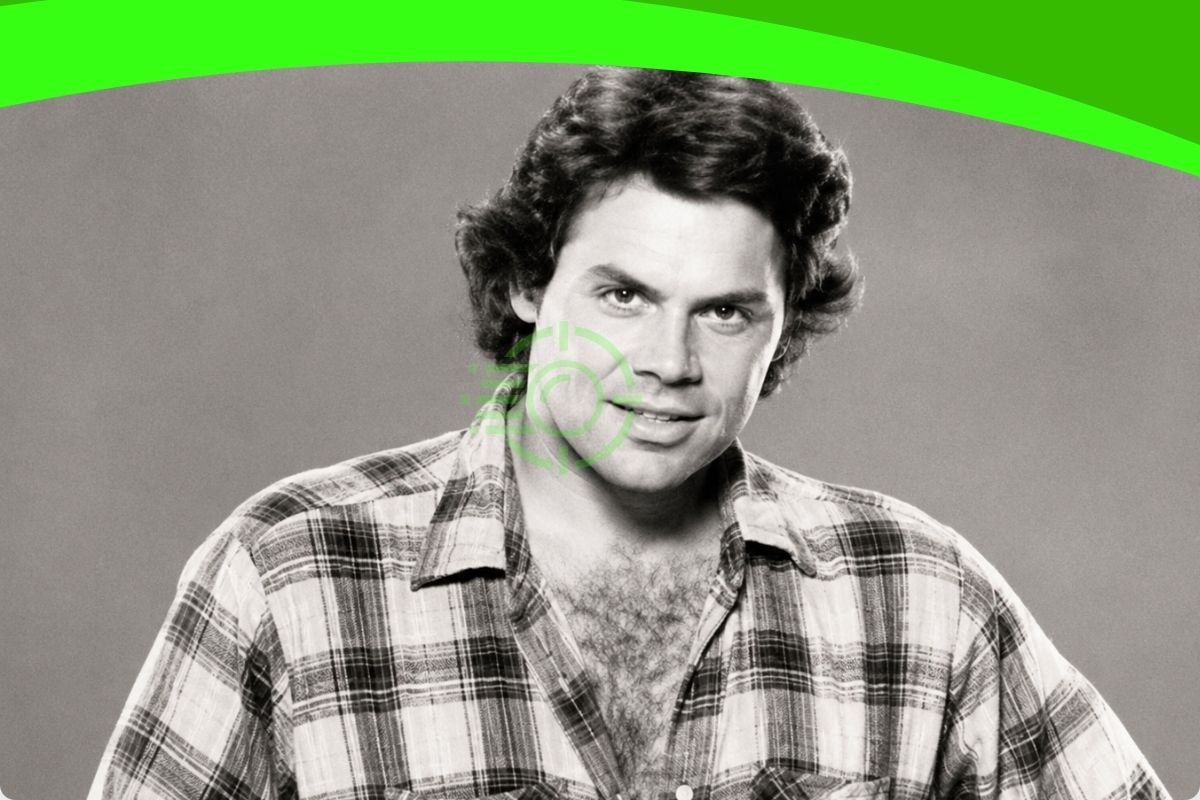
Richard Meeker was the only child of television star Mary Tyler Moore and her first husband, Richard Meeker Sr. Friends and family called him Richie. He grew up near the center of American television. Yet he spent most of his short life outside the public eye.
Richie was born in 1956. He faced hard years as a teen. But later, he rebuilt his bond with his mother. By 1980, he lived in Los Angeles. He worked as a messenger for CBS. People close to him said he felt good about his job and his future.
His life ended on October 14, 1980. A shotgun went off as he handled it at home. He was 24. Early news reports left open the question of intent. But a later official review ruled his death an accident. That fact is key to any fair account of his life.
Quick Bio Table
| Fact | Verified detail |
|---|---|
| Full name | Richard Carleton Meeker Jr. |
| Known as | Richie Meeker |
| Born | July 3, 1956 |
| Parents | Mary Tyler Moore and Richard Meeker Sr. |
| Siblings | None |
| Work | Messenger for CBS-TV |
| Home in 1980 | Los Angeles, near the University of Southern California campus |
| Died | October 14, 1980 |
| Age at death | 24 |
| Manner of death | Accident, according to the Los Angeles County Coroner’s Office |
Who Was Richard Meeker?
Richard Carleton Meeker Jr. was born on July 3, 1956. He was the sole child of Mary Tyler Moore. His father shared his name. People often knew him as Dick Meeker. The younger Richard became known as Richie within his family and in later news reports.
Most public interest in him came through his famous mother. Moore became one of the best known television stars of her era. She played Laura Petrie on The Dick Van Dyke Show. She later led The Mary Tyler Moore Show. Her fame made Richie known. Yet he did not seek the same level of notice.
Richard Meeker’s Early Life
Moore married Richard Meeker Sr. in 1955 when she was 18. Richie arrived the next year. His birth came just as his mother was trying to build a career in dance and television. She had worked in appliance ads. And larger roles soon began to open for her.
By the time Richie was a small child, Moore had steady television work. Her career took a major leap when she joined The Dick Van Dyke Show in 1961. The role made her a national star. It also placed new demands on a home that was already going through change.
Richie’s parents ended their marriage in the early 1960s. Moore soon married television executive Grant Tinker, who became Richie’s stepfather. Tinker had four children from an earlier marriage. This gave Richie a wider family setting, but he remained Moore’s only biological child.
Richard Meeker’s Parents and Family Changes
His mother’s career shaped the setting around him. But it should not erase his father. Richard Meeker Sr. stayed part of his life. Contemporary reports in 1980 described the elder Meeker as a television account executive. He lived in Sacramento. Richie also spent key teen years with him in Fresno, California.
Moore later looked back with unusual honesty. She said her work and her own needs had taken time from her son. She did not present their past as easy or perfect. Her account helps explain the distance that formed between them without placing all blame on one event or one person.
Growing Up Beside Mary Tyler Moore’s Fame
The public knew Moore as warm, funny, and full of life. Home life was more complex. Richie saw his mother become famous while he was still young. Cameras, press calls, and public events were part of her world. But his parents tried to keep him away from heavy press attention.
The Washington Post noted after his death that he was rarely photographed with Moore. Reports said the family had kept him out of the glare on purpose. That choice gave him some privacy. It also means that far less is known about him than about many children of famous stars.
Richard Meeker’s Teen Years in Fresno
In 1971, Richie moved to Fresno with his father. People’s account of Moore’s memoir says he did well there for a time. He also spoke about college. His father later had to move. Richie wanted to remain so he could finish his senior year with the life he knew.
That period soon became hard. Moore wrote that her son became involved with drugs while living on his own. At one point, he called her in fear and said he had trouble with a dealer. The event showed that he needed help, not gossip or a label that would define his whole life.
He received treatment and returned to his mother’s home. He then finished high school. Moore later wrote that work kept her from his graduation. She viewed that choice with pain. The account shows the strain between them. It also shows the real steps Richie took to regain control of his life.
Richard Meeker’s Recovery and Fresh Start
Mother and son also started to repair their bond. Moore said their later years brought more trust and joy. In a 1995 interview, she spoke about that change. Each could let the other be who they were. She valued the two good years they shared before his death.
This part of the record changes the shape of his biography. It does not remove past pain, but it shows growth. Richie was not frozen in his hardest teen years. He had made progress, had work, and had close ties. Those facts support the later finding that his death was accidental.
What Was Richard Meeker’s Relationship With His Mother?
Their bond changed over time. During his early years, Moore’s career left her with less time at home. In her 1995 memoir, After All, she took much of the blame for their distance. She felt she had let him down when he was young. That was when he needed her most.
What is clear is that they drew close again. On the day he died, Richie had spoken with his mother by phone. Police said he did not sound low or upset. Their last years gave them room to know each other as adults. His sudden death was thus even harder for Moore to bear.
Richard Meeker and His Work in Television
Some recent reports say Richie tried acting. They say he gained a few small television parts. People stated in 2026 that he briefly pursued acting, including a small role on his mother’s show. Yet full and clear credit details are not easy to confirm through strong public records.
For that reason, it would be wrong to describe him as a major actor. It would also be wrong to invent a list of roles. His best confirmed link to the field was practical work at CBS. At the time of his death, current news reports called him a messenger. One roommate said he was happy with that job.
Contemporary reports give a plain answer. He worked for CBS-TV in Los Angeles. The Washington Post identified his role as a messenger. A UPI report placed him in the CBS mailroom. These descriptions fit together and offer the clearest view of his work in 1980.
A messenger job involved the daily flow of papers, packages, and notes within a large company. The surviving reports do not state his long term career plan. They also do not prove that he held a creative or executive post. Claims that go beyond his confirmed role should be treated with care.
His job seems to have given him pride. One roommate told police that he had said everything was fine. He was happy at work. A CBS supervisor described him as a normal, well adjusted young man. These comments came just after the shooting and helped guide the later inquiry.
Richard Meeker’s Private Life in 1980
In October 1980, Richie shared a rented Los Angeles home with two young women. They were Judy Vasquez and Janet McLaughlin. The house stood near the University of Southern California campus. That location has led some sites to call him a USC student. But the early reports only confirm where he lived.
He also had a girlfriend in Fresno. On the night of the accident, he made several phone calls. One was to her. His roommates said his mood did not turn dark. They spoke about ordinary matters. One of them later recalled plans to fix up the rented house.
Richie enjoyed guns, hunting, and target shooting. Friends and family said this at the time. He kept a short .410 gauge shotgun in the home. Reports said concern about break ins was one reason it was easy to reach. That access became part of a tragic chain of events.
How Did Richard Meeker Die?
On October 14, 1980, Richie was at home with his roommates. Vasquez was present when he handled the short shotgun. She told police that he was loading and unloading it. Then it fired. McLaughlin was elsewhere in the house. She heard the shot.
The wound was self inflicted in the medical sense. The gun was in his hands. That phrase does not prove that he meant to harm himself. Early headlines used firm words before the coroner had finished the case. The first police reports also made clear that an inquiry was still needed.
The people who had seen him that evening did not report signs of a plan to die. He had talked with his mother, girlfriend, and roommates. Police said he did not seem despondent. His family and friends believed the gun fired by accident. A CBS supervisor agreed.
Initial reporting included vivid claims about his words while handling the gun. Such detail should be read with care because it came during the first, confused days after a sudden death. The lasting legal and medical finding matters more. After its review, the county coroner classified the death as accidental.
Richard Meeker’s Official Accident Ruling
The Los Angeles County Coroner’s Office completed its review after the first news cycle. On January 5, 1981, UPI reported that officials had ruled the death an accident. This final finding resolved the main question left open in reports from October.
The gun was often identified in later accounts as a small model called the Snake Charmer. Moore wrote that it fired while her son handled it. Some later profiles say that the model had an unsafe trigger. They also say it left the market. Firm public proof about a formal recall is hard to find. So that claim needs care.
The verified point is simpler. A loaded gun discharged at close range while Richie handled it. The result was fatal. Safe storage can prevent such events. So can an unloaded state and strict muzzle control. His death remains a painful example of how one brief error with a firearm can never be undone.
Richard Meeker’s Funeral and Farewell
Family and close friends gathered for his funeral on October 18, 1980. More than 200 people attended, according to UPI. The service was private and did not follow one faith. Ed Asner, Moore’s friend and costar, led the rites in an informal way.
Asner spoke about knowing Richie as a boy. He had watched him grow into a man. Many people at the service had ties to Moore, Grant Tinker, and The Mary Tyler Moore Show. Yet the day centered on a son, friend, and coworker. It honored a young man whose life had ended far too soon.
Moore later wrote about taking her son’s ashes to the Owens River in California. Her planned prayer turned into a cry of pain. The scene became one of the strongest parts of After All. It showed grief with no neat lesson or quick end.
Mary Tyler Moore’s Grief After Richard Meeker Died
Grant Tinker had to call Moore in New York. He had to tell her that Richie was dead. He later said the task was the hardest thing he had ever done. She returned to Los Angeles at once. More than 6,000 condolence letters later arrived. People wished to offer care.
Moore answered many of those letters by hand. She also sought help from a therapist. And she kept working. These acts did not erase the loss. They gave her a way to move through each day. Yet she carried the grief for the rest of her life.
Her memoir gave the public a candid view of guilt, love, and regret. She did not hide the distance that had once existed between mother and son. She also made sure readers knew about their repair. Her words kept his final good years from being lost beneath the story of his death.
Ordinary People and a Painful Real Life Link
The timing added a strange and cruel layer to Moore’s loss. In 1980, she starred in Ordinary People. The drama follows a family after one son dies in an accident. Her cold and guarded screen role earned great praise. It also earned an Academy Award nomination.
The film was made before Richie died. It is false to suggest that Moore used her fresh real life grief to create the role. Still, audiences later saw a painful link to the story on screen. They also saw the loss she faced away from it. The two events became joined in public memory.
That link can draw attention away from Richie as a person. His life was not a footnote to a film. He was a real son with work, friends, private hopes, and a renewed family bond. The film offers context for Moore’s career in 1980. But it does not explain him.
Richard Meeker’s Legacy and Final Thoughts
His public story is short because he died young. He also lived with care for privacy. He left no long interview, book, or public career that could speak for him. Most details come from people who loved him. Others come from officials and his mother’s later memories.
Those records ask readers to reject two easy errors. The first is to call the death a suicide after the coroner ruled it accidental. The second is to reduce Richie to tragedy alone. Before October 1980, he had come through a hard youth. He repaired a close bond. And he found steady work.
Richard Meeker is remembered most as Mary Tyler Moore’s only son. But the most humane account also sees the young man behind that label. His story holds love, regret, growth, and a warning about firearm care. It also shows why verified facts matter when a private life becomes public history.
Frequently Asked Questions About Richard Meeker
Who were Richard Meeker’s parents?
His parents were actress Mary Tyler Moore and her first husband, Richard Meeker Sr. They married in 1955. They welcomed their only child the next year. The marriage ended in the early 1960s. Moore then married television executive Grant Tinker. He became Richie’s stepfather.
Was Richard Meeker an actor?
People has reported that he briefly tried acting. It said he had a small role on his mother’s show. Detailed credits are not well established in reliable public records. His confirmed job in 1980 was as a messenger in the CBS mailroom. So it is more accurate to describe him as a CBS employee.
Did Richard Meeker attend USC?
Reliable reports say he lived in a rented home near the University of Southern California campus. They do not clearly state that he was enrolled at USC when he died. Many later pages turn the location into a school claim. But the available early evidence does not support that step.
Was Richard Meeker’s death an accident?
Yes. The Los Angeles County Coroner’s Office ruled the death accidental in January 1981. A roommate saw him loading and unloading the short .410 gauge shotgun when it fired. Police also found no clear sign that he had planned to harm himself or that he was despondent.
How old was Richard Meeker when he died?
He was 24 years old. He was born on July 3, 1956. He died on October 14, 1980, in Los Angeles. His death came after he had rebuilt his bond with his mother. He had started steady work at CBS-TV.

The Litium AB Headquarters sits in Stockholm, Sweden, where the company manages its cloud commerce platform, product development, customer support, and corporate operations. From this office, Litium helps businesses build modern online stores, manage product data, and create digital shopping experiences. As one of Sweden’s established commerce technology companies, Litium has grown from a Nordic software provider into a business that serves customers through partners across many global markets.
Where Is the Litium AB Headquarters?
The Litium AB Headquarters is located at:
Hammarbybacken 27
120 30 Stockholm
Sweden
This Stockholm office serves as the company’s main corporate location. It houses executive leadership, software engineering, product teams, customer success, sales, and other business functions. Important company decisions, product planning, and strategic projects are coordinated from this headquarters.
Stockholm is one of Europe’s strongest technology centers. Many software firms, startups, and international technology companies operate in the city. That makes it a practical location for hiring skilled developers, designers, and business professionals.
The headquarters also acts as the primary contact point for investors, business partners, and enterprise customers.
A Brief History of Litium AB
Litium AB began in 1998 during the rapid growth of internet commerce. The founders recognized that businesses would need better software to sell products online and manage digital operations.
The company started by developing e-commerce solutions for Swedish businesses. As online shopping became more common, Litium expanded its software capabilities. New features allowed businesses to handle larger product catalogs, create personalized shopping experiences, and manage digital content more efficiently.
Over the years, Litium shifted toward cloud technology. This move helped customers receive regular updates without maintaining complex on-site software installations.
Today, Litium serves organizations throughout Scandinavia and supports international commerce through an expanding network of implementation partners.
Why Stockholm Was Chosen
Stockholm offers several advantages for a technology company like Litium.
The city has a highly educated workforce with strong engineering and software development skills. Universities produce graduates who specialize in computer science, digital business, and information technology.
Sweden also invests heavily in digital infrastructure. Reliable internet, modern business facilities, and strong government support for innovation create an environment where software companies can grow.
Stockholm has earned a reputation as one of Europe’s leading startup ecosystems. Global companies such as Spotify, Klarna, and King have strengthened the city’s position as a technology hub.
Being based in Stockholm allows Litium to attract experienced professionals while remaining close to many of its Nordic customers.
What Happens Inside the Headquarters?
The Litium AB Headquarters is much more than an office building. It serves as the operational center for nearly every major business activity.
Software engineers design and improve the company’s commerce platform. Product managers collect customer feedback and prioritize future updates. Designers work on user interfaces that make the software easier to use.
Sales teams communicate with enterprise customers across different industries. Customer success specialists help businesses adopt new features and improve their online stores.
Marketing teams create educational content, webinars, and product campaigns. Finance and legal departments oversee company operations and regulatory compliance.
Executive leadership also works from the Stockholm office, where long-term planning and corporate strategy take place.
Litium Commerce Cloud
The company’s flagship product is Litium Commerce Cloud.
Instead of offering separate software tools, Litium combines multiple business functions into one cloud platform.
The platform includes:
E-commerce Platform
Businesses can build online stores for both business-to-business (B2B) and business-to-consumer (B2C) sales.
The system handles product listings, shopping carts, pricing, customer accounts, and checkout processes.
Product Information Management
Product Information Management, often called PIM, helps businesses organize product data.
Companies can store descriptions, technical specifications, images, pricing, and translations in one location. This reduces errors while keeping information consistent across sales channels.
Content Management System
The built-in CMS allows companies to publish pages, landing pages, blogs, and promotional campaigns.
Marketing teams can update website content without depending heavily on developers.
Headless Commerce
Litium also supports headless architecture.
In this model, the customer-facing website operates independently from the commerce engine. Developers gain greater flexibility when building custom digital experiences across websites, mobile apps, kiosks, and other platforms.
Industries Litium Serves
The software developed at the Litium AB Headquarters supports many industries.
Retail companies use the platform to manage large online stores.
Wholesale businesses rely on Litium for B2B ordering systems.
Manufacturers build customer portals that simplify direct sales.
Direct-to-consumer brands manage product launches and marketing campaigns.
Traditional online retailers also use Litium to improve shopping experiences and increase operational efficiency.
The platform is designed to handle both simple and highly customized commerce environments.
Customers and Business Reach
Although Litium is headquartered in Sweden, its software supports businesses in multiple countries.
Many customers operate across Europe and international markets.
Well-known organizations that have used Litium include:
- Lindex
- Tingstad
- Jollyroom
These companies process significant volumes of online transactions using Litium’s commerce platform.
Rather than opening offices in every country, Litium works with certified implementation partners. These partners help businesses install, customize, and maintain the software according to local requirements.
This partner-first model allows the company to expand internationally while keeping operations efficient.
Litium on the Stock Market
Litium is a publicly traded Swedish company.
Its shares trade on the Nasdaq First North Growth Market under the stock ticker LITI.
Public listing provides several advantages.
It gives investors an opportunity to participate in the company’s growth.
It also increases transparency because listed companies publish financial reports, corporate announcements, and governance information on a regular schedule.
Being publicly traded encourages strong financial management and accountability.
The headquarters manages investor relations, financial reporting, and communications with shareholders.
The Role of Innovation
Innovation remains one of the company’s biggest priorities.
Teams at the Litium AB Headquarters regularly introduce new features based on changing customer needs and technology trends.
Modern commerce platforms must support mobile shopping, personalized recommendations, digital marketing automation, and integrations with many external systems.
Cloud architecture allows Litium to release updates more frequently than traditional software.
Artificial intelligence is also becoming more important in digital commerce. Businesses increasingly expect automation for search, product recommendations, customer support, and content generation.
The company continues adapting its platform to meet these expectations while maintaining strong security and performance.
The Jönköping Office
Besides Stockholm, Litium also operates an office in Jönköping, Sweden.
The office is located at:
Västra Storgatan 5
553 15 Jönköping
Sweden
This location supports company operations and provides additional workspace for employees.
Having more than one office helps distribute teams while maintaining close collaboration across departments.
The Stockholm headquarters remains the company’s primary corporate location, while the Jönköping office contributes to software development and business support.
Company Culture
Technology companies compete for talented employees.
Litium emphasizes teamwork, learning, and continuous improvement.
Employees work across departments rather than in isolated teams. Developers, designers, marketers, and customer specialists often collaborate on projects from the early planning stage.
The company encourages experimentation while focusing on practical business results.
Because commerce technology changes quickly, employees regularly update their skills through training, conferences, and internal knowledge sharing.
This learning culture helps the company stay competitive in a rapidly evolving market.
Why the Headquarters Matters
Every successful software company needs a strong operational center.
The Litium AB Headquarters serves that purpose by bringing together leadership, engineering, customer support, finance, marketing, and product management under one organization.
From Stockholm, the company develops software used by businesses that sell millions of products online.
The headquarters also represents Litium’s long-term commitment to innovation in digital commerce.
As e-commerce continues expanding worldwide, companies need reliable platforms that support multiple sales channels, personalized shopping experiences, and efficient product management.
Litium continues building solutions that address those challenges while maintaining its roots in Sweden’s technology sector.
The Future of Litium AB Headquarters
The digital commerce market continues to evolve at a rapid pace.
Businesses now expect cloud-native software that scales easily, integrates with many business systems, and supports international expansion. Customer expectations also continue rising as shoppers demand faster websites, better product information, and seamless purchasing across devices.
The Litium AB Headquarters will likely remain the center of these developments. Product teams are expected to continue improving cloud capabilities, expanding integration options, and adding features that help businesses manage increasingly complex commerce operations.
Stockholm provides access to technical talent, research, and a strong innovation ecosystem. Those advantages position the headquarters to support Litium’s future growth while serving customers across the Nordic region and beyond.
Conclusion
The Litium AB Headquarters is more than a corporate address in Stockholm. It is the center of a Swedish software company that has spent more than two decades helping businesses succeed in digital commerce.
From its headquarters, Litium develops cloud-based commerce technology, supports enterprise customers, manages investor relations, and drives product innovation. Its Commerce Cloud platform combines e-commerce, product information management, content management, and headless architecture into one solution for modern businesses.
With additional operations in Jönköping, a growing partner network, and customers

Nate Bargatze net worth is estimated at $40 million in 2026, although this figure is not officially confirmed. The American stand-up comedian has built his wealth through live comedy tours, Netflix specials, television appearances, and business ventures. His clean comedy style has helped him reach millions of fans without using harsh language or offensive jokes.
What I find most interesting about Nate Bargatze is how he turned everyday family stories into a highly successful career. He went from performing in small comedy clubs to selling out major arenas across the United States. His Be Funny tour alone reportedly earned around $90 million in ticket sales.
In this article, I’ll explain Nate Bargatze’s net worth, annual earnings, comedy tours, Netflix deals, businesses, and the main sources behind his growing fortune.
Nate Bargatze Net Worth in 2026
Nate Bargatze’s net worth is estimated to be $40 million in 2026. According to reports from Parade and HELLO!, his success in stand-up comedy has made him one of the highest-earning comedians in the industry. However, his personal financial records are not public, so the exact amount remains unverified.
I believe his financial success is closely tied to his ability to attract large audiences. Unlike many comedians who rely heavily on movies and television, Bargatze earns a major share of his income from live performances. His shows often sell thousands of tickets in a single night.
His wealth also comes from streaming specials, merchandise, production work, and his entertainment company. These income sources have helped him build a business that goes beyond performing comedy on stage.
Nate Bargatze Quick Bio
| Detail | Information |
|---|---|
| Full name | Nathanael Bargatze |
| Popular name | Nate Bargatze |
| Date of birth | March 25, 1979 |
| Age in 2026 | 47 years |
| Birthplace | Nashville, Tennessee, USA |
| Nationality | American |
| Profession | Stand-up comedian, producer, podcaster |
| Estimated net worth | $40 million (unverified) |
| Main income source | Live comedy tours |
| Famous tour | Be Funny Tour |
| Entertainment company | Nateland Entertainment |
| Podcast | Nateland Podcast |
| Wife | Laura Bargatze |
| Children | One daughter |
| Known for | Clean, family-friendly comedy |
How Nate Bargatze Makes His Money
When I look at Nate Bargatze’s income, I see several ways he earns money. His biggest source is live stand-up comedy. Thousands of fans attend his shows, and major tours can bring in millions of dollars through ticket sales.
He also earns money from comedy specials released on streaming platforms. Netflix has helped introduce his work to audiences outside the United States. Television appearances have increased his popularity and created more business opportunities.
Another part of his income comes from merchandise, podcasts, and entertainment production. By building his own company, Bargatze has gained more control over the content he creates and the projects he develops.
Nate Bargatze’s Be Funny Tour Earnings

The Be Funny tour played a major role in Nate Bargatze’s financial success. According to reports, the tour generated roughly $90 million in gross ticket revenue. It included around 148 arena performances and sold more than 1.1 million tickets.
Reported gross revenue
$90M
Tickets sold
1.1M+
Reported shows
148
Average gross per show
~$608K

Approximate figures based on reported tour totals. Gross revenue is not personal profit.
What stands out to me is the size of his audience. Selling more than a million tickets is a major achievement for a stand-up comedian. It also shows how much demand exists for his simple and family-friendly humor.
However, the full $90 million did not go directly into Bargatze’s bank account. Tour expenses include venue costs, staff, transportation, equipment, promotion, and other payments. His actual personal earnings from the tour have not been publicly confirmed.
Nate Bargatze’s Merchandise Earnings
Nate Bargatze also makes money by selling merchandise during his comedy tours. Fans can purchase items such as shirts, hats, and other products connected to his comedy brand. These sales create another source of income beyond ticket revenue.
According to a widely circulated estimate, his tour merchandise may have generated between $11 million and $33 million. I would treat this range carefully because it is not supported by publicly verified merchandise sales records.
Merchandise revenue is also different from profit. The company must pay for production, shipping, workers, and sales costs. Even so, selling branded products can be a useful way for popular comedians to increase their earnings.
How Much Does Nate Bargatze Make Per Show?
Nate Bargatze’s earnings per show depend on ticket prices, venue size, and production expenses. Based on the reported $90 million gross from 148 performances, his Be Funny tour averaged approximately $608,000 in ticket revenue per show.
I want to make an important distinction here. This average represents revenue collected from ticket sales, not the amount Bargatze personally received. His actual payment would depend on contracts and costs that have not been publicly disclosed.
Some performances may earn much more than others. Large arenas can sell more tickets, while smaller venues bring in less revenue. This makes it difficult to give one fixed amount for his personal earnings per performance.
Nate Bargatze’s Netflix Deals and Comedy Specials

Netflix has been an important part of Nate Bargatze’s career. His specials include The Tennessee Kid (2019), The Greatest Average American (2021), and Your Friend, Nate Bargatze (2024). These releases helped his comedy reach a much larger audience.
I think his Netflix success is important because streaming gives comedians exposure beyond live shows. People can discover his comedy at home and later decide to purchase tickets for a live performance.
The exact amounts Netflix paid Bargatze for these specials have not been publicly confirmed. Reports suggest that streaming deals contribute to his wealth, but there is not enough verified information to calculate his total Netflix earnings.
Nate Bargatze’s Saturday Night Live Appearances

Nate Bargatze gained wider attention through his appearances on Saturday Night Live. He hosted the show in October 2023 and returned in October 2024. His performances introduced his comedy to many television viewers.
One of his best-known sketches featured him playing George Washington. The humor focused on the confusing rules of American measurements and language. I find this a good example of his ability to make ordinary subjects funny.
His exact payments for hosting Saturday Night Live have not been publicly disclosed. However, appearing on a major television show can help comedians reach new fans and increase demand for their live performances.
Nate Bargatze’s Nateland Entertainment Company
Nateland Entertainment is another important part of Nate Bargatze’s business. He created the company to develop and produce entertainment that fits his family-friendly comedy style. Its work includes comedy projects and other forms of media.
What interests me about Nateland Entertainment is that it allows Bargatze to work behind the scenes. Instead of only earning money as a performer, he can take part in producing and developing projects.
The company’s total value and annual revenue are not publicly confirmed. Therefore, I cannot say exactly how much it contributes to Nate Bargatze’s net worth. Still, it gives him another way to expand his career beyond stand-up comedy.
Nate Bargatze’s Podcast Income
Nate Bargatze hosts the Nateland Podcast, where he talks with fellow comedians about everyday topics, personal stories, and unusual facts. The show follows the same relaxed comedy style that fans enjoy during his live performances.
Podcasts can earn money through advertising, sponsorships, and video views. I see the podcast as another way Bargatze can connect with his audience between comedy tours.
However, his exact podcast income has not been released publicly. There are no verified figures showing how much he earns each month or year from the show. Any specific amount should therefore be treated as an estimate.
Nate Bargatze’s Television and Production Earnings
Beyond Netflix and stand-up comedy, Nate Bargatze has worked on television productions. One notable project is Nate Bargatze’s Nashville Christmas, a holiday variety special that aired on CBS in 2024.
His work as a producer gives him a different role in entertainment. Producers help develop programs, organize projects, and manage parts of the creative process. Depending on their agreements, they may also receive payments connected to a production.
I cannot confirm how much Bargatze earned from his CBS projects. The financial details of these deals have not been made public. However, television production adds another possible source of income to his comedy business.
Nate Bargatze’s Theme Park Plans in Nashville
Nate Bargatze has also discussed plans for a family-focused entertainment attraction in Nashville. The idea connects with his interest in creating comedy and entertainment that people of different ages can enjoy.
I find this plan interesting because it could take his business into an entirely different industry. A theme park or family attraction would involve property, construction, staff, maintenance, and ticket sales.
However, plans should not be confused with completed investments. The project’s final cost, ownership structure, opening date, and future earnings have not been fully confirmed. I would not include any expected theme park profits in his current net worth.
Nate Bargatze’s Early Career and Financial Growth
Nate Bargatze was born on March 25, 1979, in Nashville, Tennessee. His father, Stephen Bargatze, worked as a magician and motivational speaker. Growing up around entertainment helped shape Nate’s interest in performing.
He began building his stand-up career in the early 2000s. Like many comedians, he spent years performing in clubs and working to improve his material. His comedy often focused on family life, marriage, childhood, and everyday problems.
What I find impressive is that his success developed over many years. His later Netflix specials, television appearances, and arena tours came after a long period of live performances. That experience helped him build the audience he has today.
Nate Bargatze’s Wife and Family Life
Nate Bargatze is married to Laura Bargatze. The couple married in 2006 and have one daughter, Harper. His wife and daughter often appear as subjects in his comedy stories.
I enjoy how Bargatze uses simple family situations to create humor. He talks about marriage, parenting, and everyday misunderstandings in ways that many people can understand. This approach has become a major part of his public image.
His family also plays a role in his professional life. Laura has been involved in the Nateland Podcast and his entertainment business. However, the couple’s private financial arrangements have not been publicly disclosed.
Nate Bargatze’s House and Lifestyle
Nate Bargatze has strong ties to Tennessee, especially the Nashville area. His career has brought him major financial success, but he is not mainly known for showing expensive cars, jewelry, or luxury purchases.
I have not found enough verified information to give an exact value for his current home or real estate holdings. Online claims about celebrity properties can be difficult to confirm without reliable property records.
His lifestyle is often discussed because his comedy presents him as an ordinary husband and father. However, that public image does not tell us the full details of his personal spending, savings, or investments.
Nate Bargatze Net Worth Compared to Other Comedians
Nate Bargatze has become one of the most successful touring comedians of his generation. His reported $90 million tour gross shows that he can compete with major names in live comedy.
Comedians such as Kevin Hart, Dave Chappelle, and Matt Rife also earn money through tours, streaming deals, and entertainment projects. However, their reported net worth figures can vary widely depending on the source.
I believe tour revenue is a more useful comparison than celebrity net worth estimates alone. Ticket sales can be measured, while personal wealth depends on private information such as investments, debts, taxes, and business ownership.
Will Nate Bargatze’s Net Worth Increase?
Nate Bargatze’s estimated $40 million fortune could grow if his comedy tours and entertainment projects continue to perform well. Live shows remain one of his strongest business opportunities.
His company, podcast, streaming work, and television projects may also create more income in the coming years. I think having several income sources gives him more options than relying on one type of comedy performance.
Still, future financial growth is not guaranteed. Production costs, business investments, taxes, and audience demand can all affect his wealth. Without verified financial statements, any prediction about his future net worth would be speculative.
Final Thoughts
Nate Bargatze net worth is estimated at $40 million in 2026, but the amount remains unverified. His biggest reported financial success comes from live stand-up comedy, especially the Be Funny tour, which generated approximately $90 million in gross ticket revenue.
From my view, the most interesting part of his success is how he built a major entertainment career using simple, clean comedy. Netflix specials, television appearances, merchandise, podcasts, and Nateland Entertainment have helped him expand beyond live performances.
His career shows that comedians can build large businesses around their work. While his exact personal wealth is unknown, his ticket sales and growing entertainment projects make him a major name in modern stand-up comedy.
FAQs About Nate Bargatze Net Worth
What is Nate Bargatze’s net worth in 2026?
Nate Bargatze’s net worth is estimated at $40 million in 2026, although the figure is not officially verified.
How much money did Nate Bargatze make from his Be Funny tour?
His Be Funny tour reportedly grossed around $90 million in ticket sales, before expenses.
How much does Nate Bargatze earn per show?
His Be Funny tour averaged about $608,000 in gross ticket revenue per show, but his personal earnings are unknown.
Does Nate Bargatze own an entertainment company?
Yes, Nate Bargatze founded Nateland Entertainment, which develops comedy and family-friendly entertainment projects.
How does Nate Bargatze make most of his money?
His main reported income source is live comedy touring, along with streaming specials, merchandise, television, and production work.
Read more: Alix Earle Net Worth in 2026: Explore Her TikTok Earnings, Business, and Lifestyle
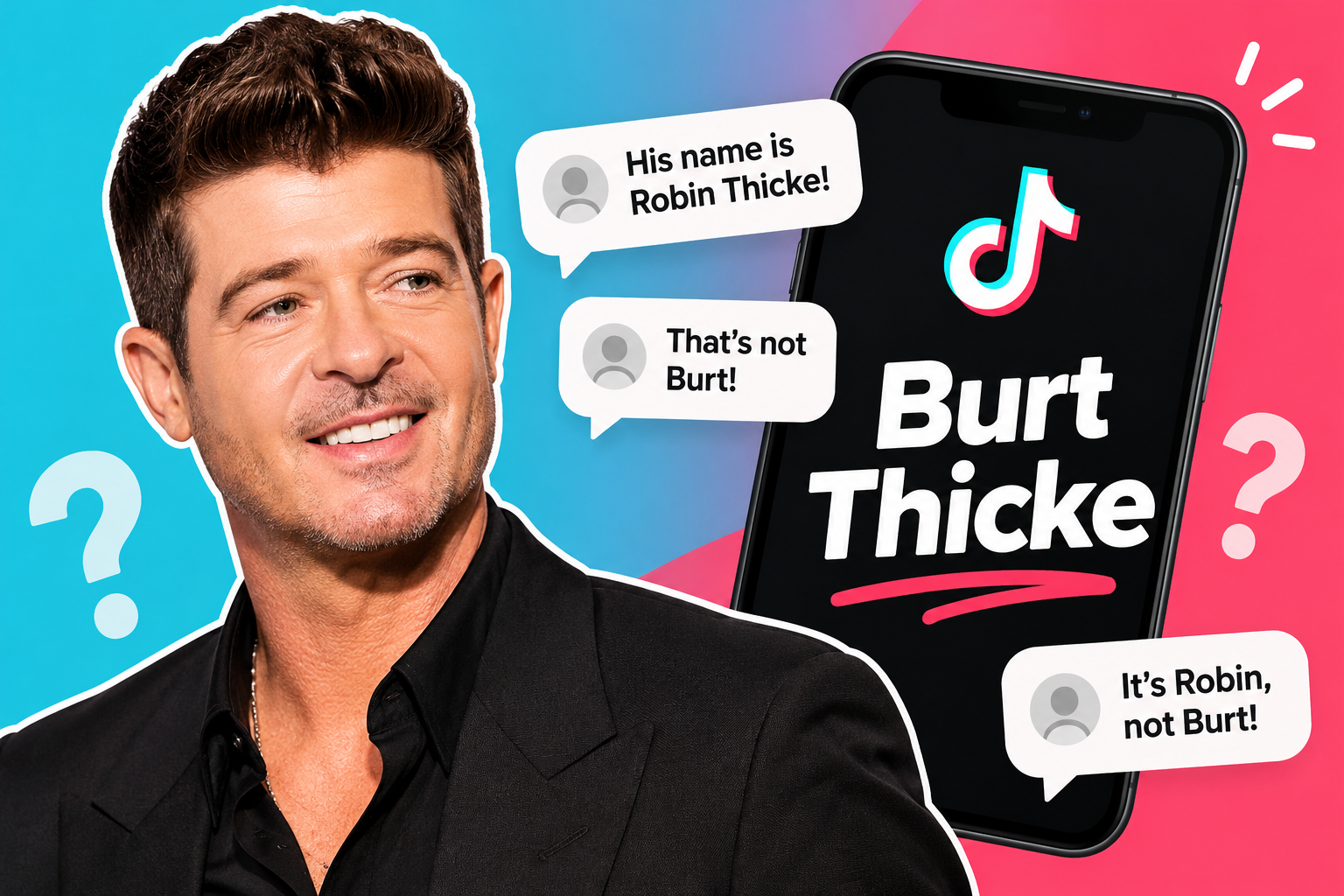
I have seen many strange TikTok trends, but Burt Thicke is one that stands out. The name sounds like a real singer or internet star. Yet it is often used as a joke about American singer Robin Thicke. TikTok users put the wrong name in videos and comments to confuse people and get reactions.
What interests me is how one wrong name can bring more views, comments, and searches. This trick is called engagement bait. It means making content that pushes people to react. The Burt Thicke joke shows how a simple mistake can help a video gain attention.
What Is Burt Thicke on TikTok?
Burt Thicke is a made-up name used in TikTok jokes, captions, and searches. It is often linked to Robin Thicke, the American singer known for “Blurred Lines” and “Lost Without U.” Burt Thicke is not a known stage name or a separate music star.
I find the joke simple but clever. A creator posts a video of Robin Thicke and puts “Burt Thicke” on the screen. People who know the singer may correct the name. Others may search for it to find out who Burt Thicke is.
The name sounds real enough to confuse people. Some may think it belongs to another singer. Others know it is wrong and leave comments. Both actions can bring more attention to the video.
How the Burt Thicke TikTok Trap Works
The Burt Thicke joke uses a wrong name to get comments. Instead of asking people to like or share a video, creators give them a mistake to correct.
I can explain this trick in three parts. First, a creator posts a normal video. It may show Robin Thicke singing, playing piano, or appearing on The Masked Singer. The clip itself may have nothing strange about it.
Next, the creator adds the wrong name. The text says “Burt Thicke” instead of Robin Thicke. This small change gives people a reason to react.
Then viewers start commenting. Some correct the name, while others join the joke. These comments add activity to the post. This is why the trick is known as a comment trap.
Why People Keep Correcting the Name
I think this joke works because people like to correct mistakes. When we see something wrong, we often want to fix it. This is common when we know the right answer.
An internet saying called Cunningham’s Law explains this habit. It suggests that posting a wrong answer online can make people share the correct one. The Burt Thicke joke uses the same idea.
For example, someone may see the wrong name and comment, “That’s Robin Thicke, not Burt!” The person may think they are helping others. But their comment also adds activity to the video.
This type of joke does not need a long story. One wrong name is enough to start a debate. The humor comes from how people react to it.
How the TikTok Algorithm Can Help the Trend Spread
TikTok looks at many signals when choosing which videos to show. These include watch time, likes, shares, comments, and user interest. Videos that get strong reactions may reach more people.
The Burt Thicke joke uses these actions to attract attention. A creator adds the wrong name, and viewers leave comments. If people keep watching and reacting, the video may get more views.
However, I cannot say that every comment helps a video go viral. TikTok uses many factors to rank content. A video can get lots of comments and still have a small audience.
Comment Activity and Fast Reactions
When people leave many comments in a short time, it shows that a post is getting attention. This is called comment velocity. It means how fast new comments appear.
The wrong name makes it easy for people to react. They can write a quick correction without watching the full video.
Still, there is no public proof that TikTok gives extra reach to videos with name corrections. Comments are only one part of its ranking system.
Watch Time and the Retention Loop
Watch time means how long people spend watching a video. It is one of the signals TikTok uses to suggest content.
A retention loop can happen when a short video plays again while someone reads or writes comments. This may increase the time spent on the post.
I think this helps explain why short clips with busy comment sections can hold attention. But not every comment makes a video replay. It depends on how people use the app.
Search Results and Keyword Attention
Burt Thicke can also appear in TikTok searches. When people search for the name, they may find related videos, hashtags, and suggested terms.
Someone may first see the name in a comment. They then search for it and find more posts using the same phrase. This can help the joke reach new viewers.
This may be a form of SEO hijacking. It means using a keyword to attract searches that may not match the real topic. However, the effect of Burt Thicke searches on TikTok’s ranking system is unverified.
Why Burt Thicke Is an Example of Engagement Bait
Engagement bait is content made to get likes, comments, or shares. It may use easy questions, clear mistakes, or topics that make people argue.
The Burt Thicke joke fits this idea when creators use the wrong name on purpose. Their goal may not be to share facts about Robin Thicke. They may want people to stop scrolling and leave a comment.
I find it interesting that the joke works even when viewers know the name is wrong. In fact, people who know the right name may be more likely to comment.
This trick is also called algorithmic gaming. It means using the way a platform works to get more attention. It does not mean someone has hacked TikTok or changed its code.
How Burt Thicke Became Part of TikTok Search Culture
TikTok is more than a video app. People also use it to search for songs, names, news, and trends. This helps strange phrases get noticed.
Burt Thicke can confuse users because it sounds like a real name. Someone may search for a singer or actor with that name. Instead, they may find Robin Thicke clips or videos about other topics.
The phrase may also appear near words like “thick” and “thicc.” These words are used in many types of TikTok posts. This may lead to mixed search results.
I could not confirm when the joke first appeared or who started it. The number of videos using the name is also unverified. There is no clear proof that one creator began the trend.
The Psychology Behind the Burt Thicke Joke
The joke works by using a common human habit. People like to share what they know. They also want to correct things that seem wrong.
A creator can use this habit to start a discussion. The wrong name gives people a reason to comment without asking them a question.
Some viewers may correct the name to help others. Some may join the joke because they understand it. Others may keep using the wrong name to confuse new viewers.
This can split the comments into two groups. One group sees a mistake. The other sees a joke. Their replies can keep the discussion active.
What Burt Thicke Says About Modern Internet Humor
In the past, many online creators tried to avoid mistakes. They did not want people to think their content was wrong. Today, some creators make clear mistakes on purpose.
I think the Burt Thicke joke is a good example. A creator may know the singer’s real name but use the wrong one to get attention.
This type of humor is also easy to copy. Anyone can add a wrong name to a video or caption. It does not need special tools or a large audience.
Still, there is a difference between a harmless joke and false news. Using a fake name for fun is not the same as sharing false health or safety claims. That difference matters when we talk about engagement bait.
How to Spot Similar TikTok Comment Traps
The Burt Thicke joke makes it easier to spot other comment traps. A video may have a mistake that looks too clear to be real. The caption may also push people to argue.
For example, a creator may put the wrong name on a famous actor’s video. People then fill the comments with corrections. This gives the post more activity without adding useful facts.
I try to understand why a creator made a post before I react. If the mistake looks planned, leaving a correction may give them the response they want.
This does not mean people should ignore all false claims. Correct facts are important, mainly when wrong claims can cause harm. But for a harmless name joke, scrolling past may be the better choice.
Is Burt Thicke a Real Person?
Burt Thicke is not a verified public figure linked to this TikTok joke. The name is mainly used as a made-up label for Robin Thicke.
Robin Thicke is a real American singer, songwriter, and TV star. He is the son of late actor Alan Thicke and singer Gloria Loring. He is known for his music and his role as a panelist on The Masked Singer.
I think it is important to know the difference. People who search for Burt Thicke may be looking for Robin Thicke. However, Burt Thicke is not a confirmed stage name for the singer.
Final Thoughts
The Burt Thicke TikTok joke shows how one wrong name can bring comments, searches, and views. What looks like a simple mistake may be a planned way to get people talking.
I find this trend interesting because it uses people’s need to correct others. However, there is no verified proof that the name gets special treatment from TikTok’s algorithm. Not every video using it is a planned comment trap.
The next time I see Burt Thicke on TikTok, I will know why the name may be there. Sometimes, the best way to avoid engagement bait is to understand the joke and keep scrolling.
Explore more: iBank BNI: What Happened to BNI Internet Banking and What to Use Now

Merfez: Meaning, Home Design, and Simple Living Ideas

Litium AB Headquarters: The Stockholm Base of Sweden’s Digital Commerce Company

Charfen.co.uk: My Guide to This UK Blog, Its Topics, and Features

Who Is Preetha Nooyi? How Is Indra Nooyi’s Daughter Building Her Own Quiet Path in Business?

Freda Morris Biography: The Private Life of Garrett Morris’s Wife

Who Is Charlie McKittrick? All About Ana Gasteyer’s Husband and His Life
-
 Celebrity4 months ago
Who Is Preetha Nooyi? How Is Indra Nooyi’s Daughter Building Her Own Quiet Path in Business?
-
 Celebrity2 months ago
Freda Morris Biography: The Private Life of Garrett Morris’s Wife
-
 Entertainment4 months ago
Who Is Charlie McKittrick? All About Ana Gasteyer’s Husband and His Life
-

 News1 month ago
Arrow Eve Reynolds: The Oldest Daughter of Imagine Dragons Frontman Dan Reynolds and Musician Aja Volkman
-

 Business4 months ago
Who Is Vaughn Rasberry? All About Tatyana Ali’s Husband, Stanford Career, Family, and Net Worth
-

 Celebrity4 months ago
Who is Brock Peters’ First Wife? All You Need To Know About Dolores Daniels
-

 Celebrity2 months ago
Arielle Zuckerberg: Meet Mark Zuckerberg’s Youngest Sister, Building Her Own Tech Legacy
-

 Celebrity4 months ago
The Untold Story of Elgin Charles Williams: From Beverly Hills Hair Empire to Jackée Harry’s Ex-Husband