
News
Brooke Daniells: The Creative Professional Sharing Life With Catherine Bell


Brooke Daniells is an American photographer and party planner. Yet most people know her through her bond with actress Catherine Bell. Daniells works behind the scenes and keeps her private life guarded. That choice has made readers even more curious about her.
Bell is known for leading roles in JAG, Army Wives, and The Good Witch. Her long television career brings close attention to her home life. Daniells entered that wider public picture after Bell ended her marriage. Reliable reports have linked the two women since 2012.
This biography focuses on what the public record can support. It looks at Daniells’ creative work, her event skills, and her place in Bell’s life. It also clears up a major case of mistaken identity. Private facts that lack sound proof are left out.
Brooke Daniells and Her Public Identity
Daniells has built a life outside the usual celebrity system. She does not act in a long-running television series. She also does not seek regular interviews or red-carpet coverage. Her work puts her closer to the planning table and camera.
Established reports describe her as a photographer and party planner. Both jobs depend on a good eye and careful timing. Photography turns light, setting, and human feeling into an image. Party planning turns many small tasks into one smooth event.
Those roles offer the clearest view of her professional identity. They also fit the direct praise Bell has given her. In a personal blog published by People, Bell called Daniells an amazing party planner. That first-hand comment carries more weight than copied profile claims.
Her public image remains narrow by choice. Readers can confirm her name, broad work, and link with Bell. They cannot build a complete life story from those points alone. A fair profile must respect that line and avoid filling gaps.
Why Does Brooke Daniells Draw Public Interest?
Interest in Daniells grew because Bell already had a loyal audience. Viewers spent years watching Bell play strong, warm, and steady women. Many fans then became curious about the person sharing her real life. That attention did not come from a publicity campaign by Daniells.
The contrast between the two women adds to that interest. Bell works before cameras and speaks to entertainment media. Her partner mainly creates, plans, and supports work away from the spotlight. One career needs public notice, while the other can thrive through trust.
Their lasting connection also matters. Entertainment coverage often centers on short romances and sudden splits. This relationship has instead remained low-key for more than a decade. Reliable reporting dates their partnership to 2012 and still identifies them together.
Yet public interest does not remove a person’s right to privacy. Daniells has not offered a full account of her past. She has not confirmed many details repeated on biography sites. Her limited public voice should guide how her story gets told.
What Is Known About Brooke Daniells’ Early Life?
Very little about Daniells’ childhood has reliable public support. Major profiles do not confirm an exact birth date. They also do not provide a sound record of her birthplace. Her parents, siblings, and early home life remain outside trusted coverage.
The same caution applies to her education. Many sites attach psychology and communication degrees to her name. They often name Sam Houston State University as her school. Yet those claims do not come with a clear, primary record linking them to Bell’s partner.
This gap does not mean her early years lack meaning. It means the details remain hers to share. A private professional can have a full career without a public childhood story. Fame by association should not turn uncertain claims into accepted history.
The lack of firm data also prevents an accurate age. It would be easy to repeat a date seen across many pages. Repetition, however, is not the same as proof. In this case, one repeated date leads to a different woman.
Brooke Daniells and the Miss Texas Name Mix-Up
A common online error links Daniells with a former pageant winner. That woman is Brooke Daniels, with one letter “l” in her surname. She represented Harris County and won Miss Texas USA 2009. Local Texas reporting documented her pageant record at the time.
The pageant winner was 22 when she earned the state title. Reports also called her a communications student at Sam Houston State University. She came from the Tomball area and later reached the top ten at Miss USA. Those details belong to Brooke Daniels.
Many newer biographies changed the spelling and joined both lives together. They gave Bell’s partner the pageant winner’s birth date, hometown, studies, and crown. Some then added those borrowed facts to fresh claims about photography. This created a polished but unsupported profile.
No dependable source proves both names refer to one person. The spelling difference alone calls for care. More importantly, the older pageant reports describe their subject clearly and in real time. A responsible biography should not transfer her record to Daniells.
Brooke Daniells as a Photographer
Photography is one of the few career facts found in reliable coverage. Major entertainment reporting identifies Daniells as a photographer. The label also appears beside her event work when writers explain her connection to Bell. It is a clear part of her known professional life.
Still, the public record does not show a verified portfolio. It does not name major clients, gallery shows, or formal awards. It also gives no safe basis for calling her a fashion, wedding, or fine-art specialist. Those more detailed labels should stay out.
The confirmed title tells us something without saying too much. A photographer must plan a frame, read light, and notice small changes. The work can also demand patience with people. These are general parts of the craft, not claims about private projects.
Her position behind the camera matches her wider public style. She helps shape what others see but rarely becomes the subject. That balance may explain why so little career material appears online. Client work can remain meaningful without a famous credit list.
Brooke Daniells and Her Skill as a Party Planner
Event planning has direct support from Bell herself. Bell once wrote about planning an 1980s-themed roller-skating party for her daughter. She credited Daniells with helping make the celebration work. The praise showed both trust and hands-on skill.
Bell also called her a “goodie maker extraordinaire.” That phrase points to more than booking a room. Daniells likely helped shape the party’s look and treats, based on Bell’s own account. The description gives a rare, warm glimpse of their creative teamwork.
A party planner handles many moving parts. The work may include timing, decorations, food, supplies, and guest needs. Good planning keeps those parts from feeling separate. Bell’s story suggests Daniells brought that kind of order to a family event.
The example also shows why private work can be hard to document. Family parties do not create public credits like films do. Their success appears in the guests’ experience, not a screen title. Bell’s published thanks therefore offers valuable proof of the craft.
Brooke Daniells and Other Creative Work
Bell’s blog connected Daniells with Hadley and Elizabeth, an online shop name. She invited readers to visit its Etsy store. Bell praised the lotions and lip balms sold there. This link placed Daniells near handmade lifestyle goods as well as events.
The reference came during a look at Bell’s busy family life. It did not present a large company or national brand. Instead, it showed a small creative project built around useful personal items. That scale fits the private nature of Daniells’ wider work.
Daniells has also written updates on Bell’s official website. Her name appears as the author on posts about Bell’s Hallmark projects and fan events. The entries are short, but they show trusted involvement with Bell’s online presence. They also extend her work beyond photography.
It would be wrong to turn these clues into a broad job title. The record does not prove she runs Bell’s career or website. It does show practical support across family events, small goods, and online updates. Her creative role seems flexible and personal.
Catherine Bell Before Their Shared Life
Bell had already built a strong screen career before the relationship began. She became widely known as Sarah MacKenzie on JAG. She later played Denise Sherwood on Army Wives. Then she led The Good Witch films and series as Cassie Nightingale.
Her personal life also had a long earlier chapter. Bell met actor and production assistant Adam Beason while working on the 1992 film Death Becomes Her. They married in May 1994. Their marriage produced two children, Gemma and Ronan.
Bell and Beason publicly confirmed their separation in 2011. Their divorce followed later that year. That timing matters because dependable sources place her partnership with Daniells in 2012. It also marks a clear change in Bell’s family and home life.
The actress entered that period with a demanding career and two children. Daniells brought a quieter creative identity into the new chapter. Their different work styles would soon share one household. Public attention followed, but the couple kept the details limited.
How Did Brooke Daniells and Catherine Bell Meet?
Many online profiles offer a detailed story about their first meeting. They often place it at a museum in Los Angeles. Yet established coverage does not provide a direct account from either woman. The exact setting should therefore remain outside a factual biography.
What matters more is the bond that followed. Bell was entering a fresh stage in her personal life. Daniells also stayed focused on work away from Hollywood cameras. Their separate worlds soon became part of one shared life.
Neither woman has turned their early romance into a media story. There is no major joint interview about a first date. There is also no public account of who made the first move. That silence has helped them keep the relationship personal.
A sound timeline can show when reports first linked two people. It cannot reveal a private meeting without direct evidence. Keeping that difference clear stops a popular tale from becoming false history.
Brooke Daniells and Catherine Bell’s Lasting Relationship
The pair built their connection with little public display. Bell kept acting, filming, and meeting fans. Her partner continued working in private creative roles. They did not need matching careers to build a stable home.
Entertainment reports have continued to describe them as partners. No public split has been confirmed by a trusted source. Their bond has lasted through career changes and family growth. It has also survived years of online gossip.
Their approach differs from many public couples. They rarely explain their life through interviews or staged photos. Bell shares parts of her career with fans. Yet the couple keeps the deeper parts of their bond at home.
Long relationships also pass through changes outsiders never see. Work may shift, and children grow into new stages. The pair has allowed those changes without turning each one into public news.
Is Brooke Daniells Married to Catherine Bell?
No reliable public source confirms a legal marriage. Bell and Daniells are best described as long-term partners. Calling either woman a wife adds a fact they have not made public. A long bond does not prove a wedding took place.
Online articles often treat time together as proof of marriage. Others use the word “wife” because it sounds simple. But legal status needs a direct statement or sound public record. Neither appears in trusted coverage of the pair.
Their relationship does not need a marriage label to seem serious. They have shared family life over many years. They have also kept that commitment away from constant press attention. That record speaks without an unconfirmed title.
They have not used a public ceremony or anniversary to define their bond. That may disappoint readers seeking a neat label. Still, careful words show more respect than a confident guess.
Home Life in Hidden Hills
Bell bought a ranch-style house in Hidden Hills in 2014. Public reports placed the price at about $2.05 million. The one-story home sat on roughly 1.2 acres. It stood within a gated area west of central Los Angeles.
The setting offered more space and calm than central Hollywood. Hidden Hills is known for large lots and a quieter pace. Those features suited a family seeking room and privacy. The property also gave the children space outside.
Later reporting said Bell moved to Clearwater Beach, Florida. That update changes older claims that still call Hidden Hills her current home. It does not clearly state whether Daniells made the same move. Her present address should not be guessed.
Brooke Daniells and Their Blended Family
The household joined children from earlier relationships. Bell had two children, while reports say Daniells also had two. This created a blended family of four children. The adults kept most details about that home life private.
Bell has shared warm stories about parenting over the years. Yet she has not used her children as a constant source of press. Daniells has shown even more care around family details. That restraint protects children who did not choose public fame.
A blended home needs patience and clear routines. Still, no outsider can know the private roles each adult took. It is fair to say they shared family life. It is not fair to invent rules, conflicts, or parenting claims.
The four-child figure describes the household, not legal custody plans. Trusted reports do not map each daily schedule or private choice. A simple family description protects both accuracy and the children’s personal lives.
Brooke Daniells and Public Attention
Daniells became a subject of celebrity coverage without seeking an acting career. That can create an uneven kind of fame. Readers want personal details, but the person has shared very few. Weak sites then fill the space with copied claims.
Her name has also been attached to false physical details. Online pages list a height, weight, and body size without sound proof. Those numbers add no real value to her story. They also cross a personal line without good reason.
The same problem affects money reports. Daniells has not released financial records or confirmed personal wealth. Bell’s property and screen income do not reveal her partner’s assets. Any exact net-worth figure would be an unsupported estimate.
Present Work and Daily Life
Recent public information about Daniells remains limited. Her earlier work shows a mix of images, events, goods, and trusted support. Yet no reliable source gives a full list of current clients. It would be wrong to claim that every past project still operates.
Bell remains active with television work and fan events. Daniells does not match that public schedule with her own media campaign. Their different profiles have remained clear. One works as a known actress, while the other stays behind the scenes.
That quiet approach may be the most stable part of her public story. She appears only when a real task or family moment brings notice. She does not turn private life into a personal brand. Her current routine remains largely her own.
Current work can be hard to verify for private contractors. A photographer may serve clients without posting each image. An event planner may also work under private agreements. Silence online does not prove that a career has ended.
Brooke Daniells: Final Thoughts
Brooke Daniells is best understood through confirmed facts, not copied profiles. She works in photography and event planning. She has also shared a long relationship with Bell. These points form a smaller but more honest life story.
Her privacy should not be mistaken for a lack of purpose. Creative work often happens far from awards and cameras. A family can also be strong without sharing each moment. Daniells seems comfortable keeping both areas out of constant view.
Her story also shows why careful research matters. A missing letter joined her life with another woman’s record. Firm sources help separate those identities. They leave readers with fewer details, but much better facts.
What does Brooke Daniells do for a living?
She is known as a photographer and party planner. Bell has directly praised her event skills. Reliable sources do not provide a complete current client list.
Are Catherine Bell and her partner legally married?
No trusted public report confirms a legal marriage. They are best described as long-term partners. Online use of “wife” does not prove a wedding.
Does the photographer have children?
Reports say she has two children from an earlier relationship. Their personal details deserve privacy. She later shared a blended home with Bell’s two children.
Where does Catherine Bell’s partner live now?
The family once lived in Hidden Hills, California. Newer reporting places Bell in Clearwater Beach. It does not clearly confirm her partner’s current home.
What is the party planner’s net worth?
Her personal net worth has not been verified. Exact figures online lack clear financial proof. Bell’s earnings and property should not be counted as her assets.
Explore About: Nicole Threatt and The Real Story Behind Dr. Dre’s $100 Million Divorce Settlement
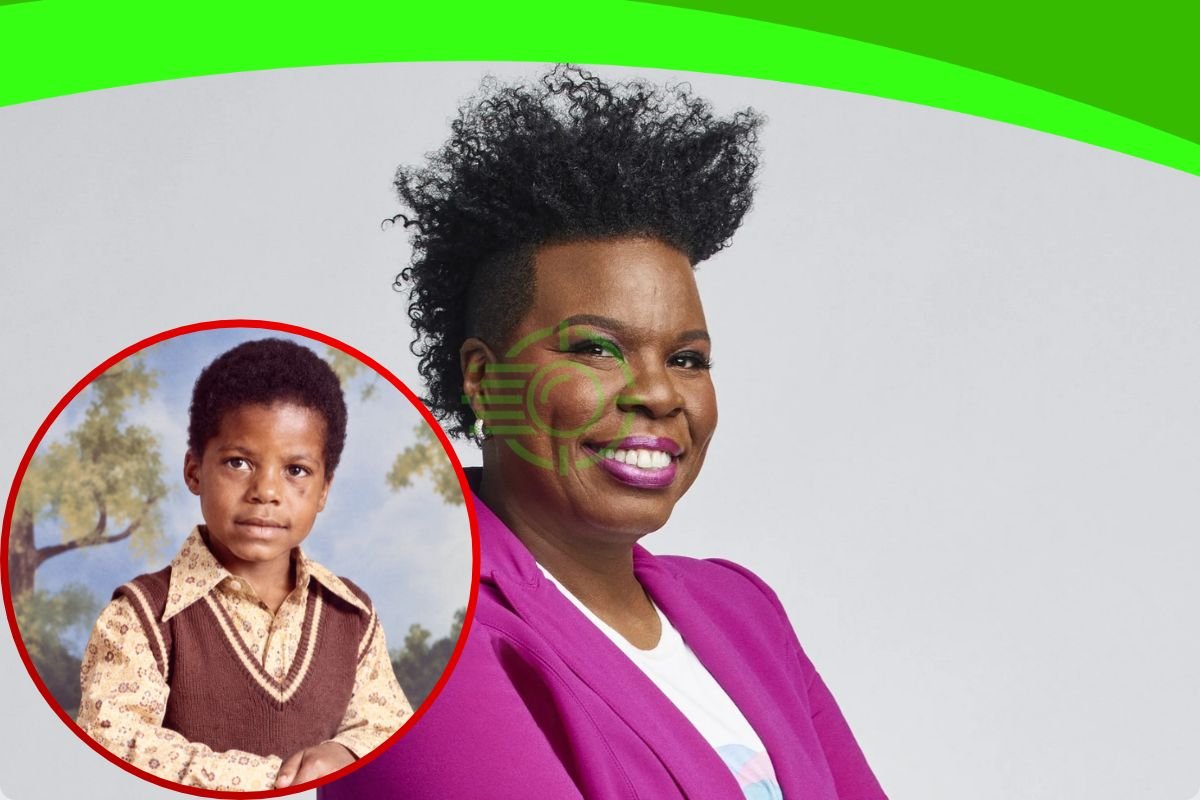
Rodney Keith Jones is best known as the younger brother of comedian and actress Leslie Jones. He did not seek fame or build a public entertainment career. His name became known because Leslie spoke about him after his death and described the effect of his loss.
The story of Rodney Keith Jones is not just a celebrity family story. Reports describe a young man who faced gang pressure, homelessness, and substance abuse. They also show a sister who remembered his humor, felt deep grief, and spoke about him honestly.
Who Was Rodney Keith Jones?
Rodney Keith Jones was the younger brother of Leslie Jones, the American comedian known for stand-up, Saturday Night Live, Ghostbusters, and other screen work. Leslie became a major public figure after Rodney’s life had already taken a difficult path. As a result, most public information about him comes from Leslie’s memoir, interviews, and tributes.
The available record does not give a complete timeline of Rodney’s life. It offers a few clear details instead. He grew up in the Jones family, moved with them from Memphis to South Los Angeles, faced serious trouble during his teenage years, and later struggled with homelessness and substance abuse.
Those facts are important, but they are not the whole person. A painful ending can take over a public story, especially when the person is related to a famous entertainer. Leslie’s memories suggest that Rodney was funny and loved inside the family.
The Guardian reported that Leslie described her brother as “kind of goofy funny.” The phrase gives a glimpse of Rodney beyond the problems mentioned in coverage. It sounds like a family memory, not a headline.
Readers may want to know Rodney’s exact birth date, job, relationships, or medical cause of death. Most have not been reliably documented. An honest account stays close to what Leslie shared and avoids building a mystery from rumors.
What Was Rodney Keith Jones’ Family Background?
Rodney grew up in the family of Willie Jones Jr. and Sundra Diane Jones. Willie was an Army veteran who later worked as an electrical engineer. Leslie has remembered her father as a man who gave her confidence and urged her to work hard when others tried to limit her.
Sundra was remembered by Leslie as a loving and joyful mother. People reported that she placed Leslie in after-school programs and connected her with mentors. The family also faced serious strain. Sundra suffered a debilitating stroke when Leslie was young, and Willie later battled alcohol addiction after losing work and facing pressure at home.
These details come mainly from Leslie’s memoir and interviews about it. They do not tell us every part of Rodney’s childhood, but they show the setting in which both siblings grew up. Their home included love, rules, illness, work problems, and painful changes.
The Jones family also lost both parents in the early 2000s. Leslie later connected those losses with the grief that shaped her adult life. When Rodney died in 2009, the family had already lived through years of change and bereavement. His death became another deep wound for Leslie, even though the public knows more about her reaction than about Rodney’s private experience.
How Did Moving From Memphis to Los Angeles Affect the Family?
The Jones family moved from Memphis, Tennessee, to South Los Angeles after Willie took a job at Stevie Wonder’s radio station. The relocation gave the children a new city, new schools, and new social pressures. Leslie wrote about struggling to find her place after the move before becoming known as a class clown and a tall basketball player.
Rodney experienced the move in his own way. People reported that Leslie believed her younger brother was swept into gang violence that was common in the area at the time. She wished she could have intervened, but felt that the peer pressure around him had become too strong. This is Leslie’s account, not a complete record of every event in Rodney’s teenage years.
The move alone cannot explain Rodney’s later struggles. People rarely follow one simple path. Family life, peer pressure, personal choices, housing, health, and access to help can all shape a future. The public record does not allow anyone to assign one cause to Rodney’s life.
Still, the relocation is an important part of the Jones family story. It placed Rodney and Leslie in the same new world, yet they did not respond to it in the same way. Leslie found a public voice through humor and basketball. Rodney, according to Leslie, had a harder time finding a safe direction.
What Was Rodney Like as Leslie Jones’ Brother?
The word “brother” holds years of shared life. Rodney knew Leslie before she was a famous comic, before television audiences heard her laugh, and before strangers had opinions about her. He belonged to the part of her life that existed before stages, cameras, and public success.
Leslie’s comments show that their relationship was not perfect or easy. She described his story as one of sadness and said he never fully found his way. At the same time, her memories do not sound cold. They carry anger at what happened, guilt about what she could not change, and love for the person she remembered.
That is why small details matter. Leslie remembered Rodney as funny in a goofy way. A memory like that can be more human than a long list of problems. It reminds readers that people who face addiction, housing loss, or gang pressure can still make others laugh, show affection, make mistakes, and matter to their families.
The public does not know every private moment between the siblings. We cannot say what they argued about, how often they spoke, or what plans Rodney may have had. We can say that his death stayed with Leslie and that she continued to speak of him years later. That lasting grief shows that Rodney was not a passing figure in her life.
Did Rodney Face Gang Violence as a Teenager?
According to Leslie’s account, Rodney’s teenage years became linked to gang violence after the family settled in South Los Angeles. Public reports do not provide a full criminal record, a list of groups, or a detailed account of what Rodney did or did not do. They describe a young person caught in an unsafe setting and pulled toward pressures that Leslie believed harmed him.
Gang involvement is often presented through simple labels. Someone is called dangerous, and the rest of the person disappears. Real lives are usually more complex. A teenager may look for protection, friendship, respect, money, or belonging. A group can offer those things while also demanding loyalty and exposing members to danger.
None of this excuses harm. It does, however, make room for a fuller view of Rodney Keith Jones. Leslie’s account points to a young man who was influenced by his surroundings and who struggled to escape the direction his life had taken. It does not prove that he was only a victim, and it does not justify describing him only as a threat.
Leslie also carried a sense that she should have been able to help. Many relatives feel this after someone they love suffers. They replay old conversations and imagine a different choice. They wonder whether one phone call, warning, or moment of support could have changed the ending.
Did Rodney Keith Jones Experience Homelessness?
People reported that Rodney Keith Jones struggled with homelessness before his death. This is one of the clearest but most painful facts in the public account. It also shows why a short celebrity-sibling profile cannot explain his life fully. Homelessness is not a personality trait. It is a condition that can grow from many problems working together.
The available reports do not explain how long Rodney experienced homelessness, where he stayed, or what services he used. They also do not tell us whether he had steady work, close friends, or a plan to rebuild his life. Adding those details without proof would create a false story.
What can be said is that homelessness made Rodney more vulnerable. It could have made health risks, violence, isolation, and substance use harder to escape. It may also have made it difficult for family members to know where he was or how to reach him. These are general realities of housing loss, not claims about every private event in Rodney’s life.
It is also unfair to treat Leslie’s fame as proof that she could solve the problem. A famous relative may have money or access, but family relationships remain complicated. Help can be refused, delayed, misunderstood, or overwhelmed by addiction and mental health struggles. The public sees only a small part of what families try behind closed doors.
What Is Known About Rodney’s Substance Abuse Struggles?
Published coverage of Leslie’s memoir described Rodney as facing substance abuse before his death. The report connects that struggle with homelessness and with the difficult path Leslie said he had taken. It does not provide a full medical history, a confirmed list of substances, or a complete account of treatment.
That limit matters. Substance abuse is a health and social issue, not a moral label that explains a whole person. It can damage trust, work, housing, and family ties, but the damage does not erase a person’s memories or value. A biography should describe the struggle without using it as a dramatic shortcut.
Leslie also spoke openly about her own substance use and depression after years of loss. The Guardian reported that she said her comedy became angry and raw after her brother died, and that she later used speed during a very low period. Those comments are about Leslie’s response, not proof that Rodney caused her behavior or that the siblings shared the same experience.
The public often wants a clean lesson from stories about addiction. It may ask why a person did not stop, why relatives did not force help, or why a system did not act sooner. Those questions are understandable, but they rarely have one answer. Rodney Keith Jones deserves compassion rather than a judgment made from a distance.
What Happened to Rodney Keith Jones in 2009?
Rodney Keith Jones died in 2009 at the age of 38. According to accounts based on Leslie’s memoir and later interviews, he was found unconscious in a park in Santa Barbara and died shortly after. The reports do not provide a confirmed public medical cause of death. A responsible article should not guess whether a substance, illness, accident, or other event caused it.
The setting of his death is difficult to read because a park is a public place, yet Rodney’s final moments remained largely private. We do not have a detailed public account of who found him, who called for help, or whether he had spoken with family that day. Those missing details are not an invitation to invent them.
News about a death often reduces a person to the circumstances of the final day. That can happen even faster when the person is known mainly as a celebrity’s relative. The phrase “Leslie Jones’ brother” may help readers find the story, but it should not become the only identity he is allowed to have.
He was a son, a younger brother, and a person who had lived for 38 years before the last event. He had a childhood, a voice, habits, and memories that the public may never learn. The lack of a public record does not mean those years had no meaning.
How Did Rodney’s Death Affect Leslie Jones?
Leslie has described Rodney’s death as devastating. People reported that she lay on the floor for two days after learning that he had died. She also said the loss sent her into a deep depression while she still had to deal with everyday needs such as paying rent.
That detail shows how grief works in real life. A person can be crushed by loss and still have bills, work, meals, and other duties waiting. There may be no clean pause in which the world allows someone to mourn. Leslie had to hold pain and survival in the same moment.
She later connected the death with a change in her approach to comedy. People reported that the loss made her stop holding back and pursue comedy with greater force. The Guardian also described a period when her performances became raw and angry after the deaths of family members.
This does not mean Rodney’s death was a useful event or that tragedy simply made Leslie successful. That would be unfair to both siblings. Leslie suffered, and she later decided how to use her voice. The loss may have changed her choices, but it did not become a gift that could balance Rodney’s death.
For Leslie, grief became part of a longer healing process. She has spoken about depression, drug use, therapy, and the work of facing old pain. Her story shows that mourning does not end just because a person returns to work or makes other people laugh.
How Did Leslie Remember Rodney Publicly?
Leslie did not speak about Rodney in every interview, and she did not turn him into a constant public brand. Her references appeared when she discussed her family, her losses, and the experiences that shaped her. That limited approach may have protected parts of his life that belonged to the family.
In February 2015, Leslie posted a tribute to Rodney on social media. She wrote that she missed him and reminded people to love their siblings while they could. The message was brief, but it showed that six years after his death, the pain was still present.
Tributes like this return a person’s name to public view without pretending that strangers know everything about him. Leslie’s post focused on love and loss, not on rumors or a dramatic explanation. Her words also showed that grief can remain active long after a funeral or memorial.
She preserved Rodney’s memory through the stories she told about their childhood. When she described him as “goofy funny,” she gave audiences a small family picture. It was not a polished statement made for a public ceremony. It sounded like a sister remembering the way her brother made people feel.
Public remembrance can be a form of care, but it can also expose family pain. Every detail Leslie shares may lead strangers to ask for more. The family has no duty to disclose every private moment. Rodney’s story can be honored even when much of it remains unknown.
What Does Leslie Jones’ Memoir Reveal About Her Brother?
Leslie’s memoir, Leslie Fcking Jones*, went on sale in September 2023 through Grand Central Publishing. The publisher describes it as a memoir about Leslie’s childhood, comedy career, painful experiences, and the lessons she wishes her younger self had known. It is her life story, not a full biography of Rodney.
Still, the book gave readers more context about the family. Coverage of the memoir reported that Leslie wrote about her younger brother’s difficult path, including gang pressure, homelessness, and substance abuse. Those passages help explain why Rodney’s death remained central to her emotional life.
The memoir also makes clear that Leslie writes from memory. She has warned readers that some details may be vague because time has passed and painful experiences can blur. That does not make the underlying story meaningless. It means readers should understand the difference between a personal memory and an official record.
Memoir holds feelings, impressions, regret, humor, and the meaning a person gives to the past. Leslie’s memories help us understand how Rodney appeared in her life, but they cannot answer every question about his own experience. That limit should be respected rather than treated as a flaw.
A person can be remembered through the eyes of someone who loved him, even if he never left behind interviews or published work. Leslie’s book gave Rodney a place in a larger family story and showed that her success grew alongside real loss.
Final Thoughts
The story of Rodney Keith Jones is brief in the public record, but it is not small. He was Leslie Jones’ younger brother, a son of Willie Jones Jr. and Sundra Diane Jones, and a man who faced serious challenges before dying at 38 in 2009. The available accounts describe gang pressure, homelessness, substance abuse, and a death that left Leslie shattered.
They also show something softer. Leslie remembered Rodney as “kind of goofy funny.” She wrote that she missed him. Years later, she included his story in a memoir about her own life, not to turn him into a headline, but to explain the family pain she carried while building her career.
There is no need to invent a complete biography where the public record does not provide one. Rodney’s story can remain partly private and still deserve attention. The fairest remembrance is simple: he was more than the struggles around him, and he mattered deeply to the sister who continues to speak his name.
NEXT: Jacqueline Bernice Mitchell: The Life Story of Jerry Rice’s Ex-Wife
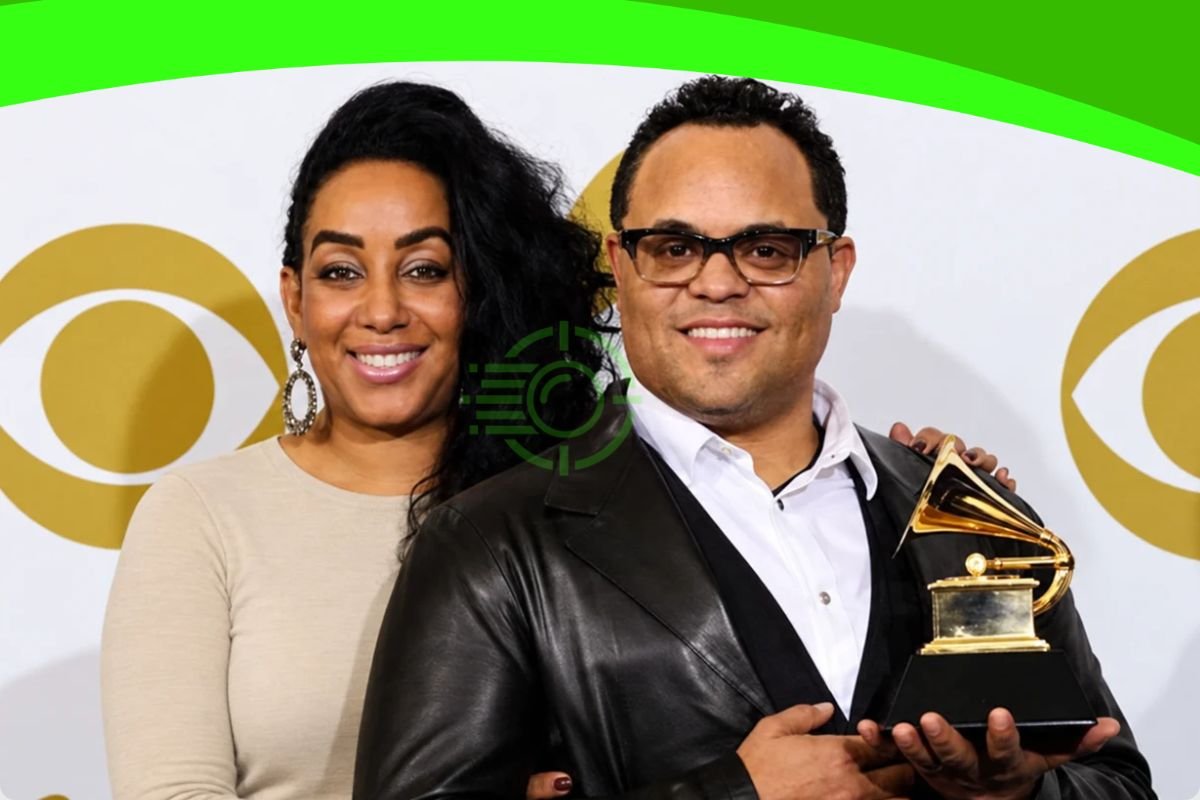
Meleasa Houghton is best known as the former wife of Israel Houghton, a major name in contemporary gospel and worship music. Yet her own story reaches beyond that marriage. She worked as a songwriter, singer, and ministry partner during years when their music life grew in public view.
The public record about her early life is limited. Reliable profiles do not give a confirmed birth date, birthplace, parents, siblings, or school. This article focuses on what can be confirmed about her music work, ministry role, marriage, family, and life away from public attention.
Her story is tied to a well-known gospel movement, but it is not only a relationship story. She helped shape songs, supported a large ministry, and raised three children during a busy season of touring and recording. The sections below trace those parts of her life with care and without filling gaps with rumor.
Who Is Meleasa Houghton?
Meleasa Houghton is a gospel singer and songwriter whose public work is tied to Israel & New Breed. Her name appears in songwriting credits on several recordings. She is also known through her former marriage to Israel, the group’s frontman. Those two parts of her story often appear together, but they are not the same thing.
The record of her career points to work behind the music. She helped write worship songs, took part in ministry work, and shared a creative life with other singers and musicians. The public material places her inside a team built around live worship, church service, and shared songwriting.
This fuller view matters because Meleasa Houghton was connected to the work itself, not only to the person beside her. She helped create music that reached churches and listeners far beyond one family. Her contribution can be measured through song credits and ministry records, even when her private life remains quiet.
What Is Known About Meleasa Houghton’s Early Life?
Very little of her early life has been confirmed in strong public records. Reliable profiles do not give a verified birth date or birthplace. They also do not provide a clear account of her parents, childhood home, or first school.
That missing detail is not a reason to guess. Online biographies often repeat dates, ages, and family claims without showing a trustworthy source. A careful profile should separate facts about her adult work from details that have never been confirmed.
Her early life becomes clearer only when public reports discuss her connection to music and ministry. A published profile later described how Israel saw her on stage before they married. Even that account says more about their meeting than about her childhood. For now, the honest answer is that her roots remain mostly private.
Did Meleasa Houghton Grow Up in a Musical Family?
Nothing reliable confirms that she was born into a musical family. Public records do not name her parents or list siblings. They also do not explain when she first sang, learned an instrument, or entered church music.
That silence leaves an important line between fact and assumption. Because she later worked with worship musicians, it may be tempting to imagine a musical childhood. But a later career does not prove what happened in childhood. Her biography should leave that question open.
What is clear is that music became part of her adult life. She worked in gospel settings and helped shape worship songs with Israel and other writers. That record tells us about her skills and choices, even though it does not reveal where those skills began.
What Is Known About Her Education?
No verified source identifies a high school, college, or music school for her. Her public credits do not include an academic degree or named training program. It would be wrong to attach a school to her story because a website repeats it.
Her work shows another kind of preparation. Songwriting for worship requires an ear for melody, words that fit a congregation, and patience to shape a song with others. Credits cannot show every step, but they do show professional work.
That is all the record can safely say. Her education may have been private, church-based, or learned through experience, but none of those paths is confirmed. Leaving the answer open protects the truth.
When Did Meleasa Houghton Begin Working in Gospel Music?
The clearest early date tied to her public career is 1995. That year, she and Israel, along with Aaron Lindsay, helped found New Breed Ministries, a worship organization built with musicians and singers. Its stated aim was to bring people of different races, cultures, and ages together through worship.
New Breed was more than a band name. It was a working group of church musicians who served in their own churches and came together for larger ministry work. That model moved the music between local church life, touring, recordings, and live worship.
Her role in that beginning is important. The ministry was not created by Israel alone. Public accounts name her as a co-founder, but they do not give her a detailed job title or list her daily duties. It is safer to call her a founder and creative partner than to assign a role that has not been documented.
How Did Meleasa Houghton Help Build New Breed Ministries?
New Breed Ministries grew around a simple idea: worship could bring people together. The group’s public description focuses on music for different cultures and age groups. In plain terms, the music mixed gospel with touches of jazz and Latin music.
Inside that model, her contribution was both personal and creative. She was a co-founder and songwriter, while family life was shaped by ministry work. Her name appears in credits from the group’s album era, showing that she took part in the creative side.
Some stories frame her mainly as the frontman’s wife. That misses the structure they built together. A ministry depends on more than the person at the microphone. Her confirmed role is founder and songwriter, so those are the titles that belong in her biography.
Because detailed records of her daily work are scarce, the safest picture is a shared one. She helped launch the ministry, contributed to its songs, and supported a team later known through Israel & New Breed. That is meaningful work even without a long list of personal awards.
Which Songs Did Meleasa Houghton Co-Write?
Her songwriting record is stronger than her public biography. The credits connect her with songs released through Israel Houghton and Israel & New Breed. She co-wrote the song “Others,” released on Love God. Love People. in 2010. The song centers on loving, helping, forgiving, and reaching out.
She also shares writing credit on “Best For Me,” a worship song listed by Integrity Music. Other credits include “We Have Overcome,” “To Worship You I Live (Away),” and “Nothing Else Matters.” Those titles appear across projects tied to the group and Israel’s solo work.
In 2015, she was credited with Israel and Neville Diedericks as a writer of “How Awesome Is Our God [Live].” The recording later received a Grammy nomination in the category Best Gospel Performance/Song at the 2016 ceremony. The nomination belongs to the song’s credited writers and performers. It should not become a claim that she won a Grammy.
That distinction matters. The official award record lists her with one nomination and no wins. A nomination still shows that her writing received major award attention in gospel music.
How Did Music Shape Meleasa Houghton’s Marriage to Israel Houghton?
Their relationship grew inside music. A published profile reported that Israel first saw her on stage. After the show, he asked her father for permission to call her. That story links their personal beginning to the church and performance world that shaped their work.
During the marriage, they were not only husband and wife. They were also co-founders, co-writers, and partners in ministry. Their names appeared together in New Breed records and song credits. That made the relationship visible to worship audiences, even when the family kept much of its private life out of view.
Their shared work also reached beyond recordings. Reports from that period described Israel working with his wife to support an orphanage in Cape Town. This gives a wider view of their partnership. It included music, church service, family life, and concern for children outside their own home.
A 2009 profile offered a small look at her place in that life. She was ill and did not sit for the interview, yet she still advised Israel about shaving and choosing a song for the piano. It was a simple detail, but it showed her influence away from the spotlight.
The public record cannot explain every part of their marriage. It can show that music gave them a shared purpose and public identity. Her name belongs in that story because she helped write, build, and support the work that made their family known.
When Did Meleasa Houghton and Israel Houghton Marry?
Public biographies commonly place their wedding in 1994. A profile published in 2009 said they had been married for about 15 years. When Israel announced the divorce in 2016, he described the marriage as lasting more than 20 years. The record places the wedding in the mid-1990s, though no wedding day is confirmed.
The marriage covered a major period in the couple’s lives. During those years, their family grew while the ministry expanded. Their home life existed beside recording sessions, church events, travel, and songwriting. That mix made their relationship part of the wider story of modern worship music.
The timeline is simple. The marriage lasted about two decades, and the divorce followed a long separation. Private milestones should not be added without confirmation.
What Changed in Meleasa Houghton’s Marriage?
In February 2016, Israel publicly announced that the marriage had officially ended. He said the couple had been separated for a long time and had worked through their problems for more than five years. He also said the challenges had become too much for the relationship to overcome.
In the same statement, Israel accepted responsibility for personal failures. He used the words “failed and sinned in my marriage,” but he did not give a full public account of every private event. That leaves an important limit on what can be stated as fact.
He also asked people to give the family privacy. He said the couple would handle the matter privately, with pastoral help, for the sake of their children. He added that they planned to remain friendly and kind toward each other.
Meleasa did not become known for a long public response. Because her own detailed account is not widely documented, it would be unfair to assign her feelings, motives, or private decisions. The confirmed story is the divorce announcement, the long separation, and the family’s wish for space.
How Did Meleasa Houghton Handle Public Attention?
The divorce brought sudden attention to a person who had mostly worked outside the spotlight. Her name appeared in reports because of the marriage, the shared ministry, and Israel’s public statement. She did not turn the breakup into a long media campaign.
That quiet approach matters when reading her story. Public silence does not prove that a person felt one certain way. It only shows that few details were shared in reliable interviews or statements.
The family’s request for privacy also shaped the public record. Children were involved, and the couple wanted to protect them from extra attention. For that reason, the clearest picture comes from public facts, not from rumors about conversations inside the home.
What Are Meleasa Houghton’s Children Doing?
The former couple had three children: Mariah Houghton, Israel Jr., and Milan Lillie Houghton. Their names appear in family profiles and in the mother’s public social media biography. These are the children connected to the marriage.
The children grew up around church music and ministry work. Public profiles from the marriage years described a family life that included travel, home learning, live events, and time together between tours. Their father also spoke about his home as the first place where he needed to serve well.
Their childhood was not the same as a normal private household. Music was part of the family setting, and the children saw the work from close range. They were connected to church life, songs, and the demands of a touring career.
The adult lives of all three children are not fully documented in strong public sources. Some family details appear online, but they should not be treated as confirmed unless they come from a reliable interview or a public account. The safest focus remains their place in the family and the musical home where they grew up.
How Has Meleasa Houghton Stayed Connected to Music?
Her work remains connected to music through the recordings and writing credits linked to her name. Those credits continue to appear in music catalogs and worship resources. They preserve her place in the story, even though her public profile is much smaller than Israel’s.
The record does not show a clearly documented solo album career, a current tour schedule, or a new music company under her name. It also does not confirm a recent full-time role with another group. These gaps do not erase her earlier work. They only set a limit on what can be said about her present career.
A songwriter’s work can continue long after the public stops seeing the writer. Songs may be recorded by other artists, used in churches, or listed on older albums. That kind of work is easy to miss because the writer may not appear in photographs or interviews.
For her, the strongest professional link remains the music she helped create during the New Breed years. No reliable public record confirms a new project after the divorce, so her current music activity should be described with care.
Where Is She Now?
No reliable public source confirms her current city or home. Older reports connected the family with Houston and the Kingwood area during the marriage. Those reports describe an earlier period and cannot prove where she lives today.
Her public social media profile identifies her as the mother of three children. That offers a small detail about how she presents herself, but it does not confirm her job, residence, or daily routine.
There is also no widely reported announcement about a new marriage, company, or major public project. That does not mean nothing has happened in her private life. It only means those details are not firmly documented for a careful biography.
What Is Known About Meleasa Houghton’s Net Worth and Personal Details?
No reliable source gives a confirmed net worth for her. Online estimates often mix family wealth, a former spouse’s income, and guesses about music earnings. Those numbers should not be presented as personal financial facts.
Her height, weight, and exact age are also not confirmed in reliable public records. A marriage to a successful gospel artist does not prove what she earned or owned herself. Personal finances can differ greatly inside any marriage.
The honest answer is simple: her private financial and physical details are not publicly established. Her documented work is more useful than unsupported numbers. It shows a songwriter and ministry founder whose public record rests on music, family, and service.
Final Thoughts
Meleasa Houghton is often introduced through the label of Israel Houghton’s ex-wife. That description is accurate, but it is incomplete. She was also a gospel songwriter, a co-founder of a worship ministry, and the mother of three children.
Her story includes clear facts and quiet gaps. We know she helped build New Breed Ministries, worked on worship songs, and shared a long marriage with Israel. We do not know every detail of her childhood, education, private choices, or present routine.
That balance makes the story more honest. Her importance does not depend on a guessed birth date, a made-up net worth, or a dramatic private claim. Her name remains linked to real songs, real family records, and a real period in gospel music.
Her public life may be quieter today, but her work has not disappeared. It remains in the credits and recordings that helped shape her family’s musical legacy.
Who is Israel Houghton’s ex-wife?
Meleasa Houghton is Israel Houghton’s former wife. She is known for her gospel songwriting and her work with New Breed.
When did Israel and his former wife divorce?
They officially divorced in February 2016. Israel said they had already spent years separated and asked the public to respect their privacy.
How many children did the former couple have?
They had three children: Mariah, Israel Jr., and Milan Lillie. The children grew up around church music and ministry life.
Did she win a Grammy?
No. The official Grammy record lists one nomination for her and no wins.
Where does she live now?
No reliable public source confirms her current location. Older reports about Houston describe an earlier period and should not be treated as current.
Read: Heather Joy Arrington: Tennis Player and Dakota Fanning’s Mother

Anthony Dion Fay was the only child of Hollywood actress Barbara Stanwyck. Born on 5 Feb 1932 and adopted as an infant, he grew up close to one of the biggest stars of classic American film. Yet his own life stayed mostly away from the screen. It is remembered through family records, court papers, interviews, and the difficult story of his bond with his mother.
People know him because of that family link. Stanwyck became famous for films such as Ladies of Leisure, Stella Dallas, Double Indemnity, and The Lady Eve. Fay’s name appeared in public stories about adoption, custody, and family life, even though he did not build a public career of his own. Later accounts also identified him as Tony, a name he used in adult life.
This biography follows the facts that can be checked. It covers his birth, adoption, parents, childhood, the custody case after the Fays separated, his years in schools and camps, and the home he shared with Robert Taylor. It also keeps a clear line between documented history and details that have never been proven.
Who Was Anthony Dion Fay?
Anthony Dion Fay was the adopted son of Barbara Stanwyck and Frank Fay. He was their only child. The couple adopted him in 1932, when Stanwyck was building the screen career that would make her a major Hollywood star.
The available record does not show him as an actor, producer, or public entertainer. His public identity came from his family connection. In later interviews, he was usually called Tony, a name he used instead of Dion.
That distinction matters. Stanwyck’s story is preserved in dozens of films and television episodes, while his story survives in legal records, press reports, biographical research, and recollections from people who knew the family. Those sources show a child placed inside Hollywood’s bright public world, yet kept at its private edge.
When Was Anthony Dion Fay Born?
The California Supreme Court identified him as Dion Anthony Fay and recorded his birth date as February 5, 1932. The opinion appeared in 1938, when he was still a minor. It is one of the clearest primary records about his early life.
The court did not publish a full personal biography. It dealt with custody and visitation after his parents separated. That limited record is useful because it gives a firm date and confirms the legal relationship between the child and his adoptive parents.
Later biographies and interviews use the name Anthony Dion Fay and say he went by Tony. The different order of his first and middle names can confuse readers, but both names refer to the same person in the Stanwyck family record.
How Did Anthony Dion Fay Become Barbara Stanwyck’s Son?
The Supreme Court opinion says Barbara Stanwyck Fay and Frank Fay adopted him in December 1932. It calls them the parties who adopted him, not his biological parents. That legal language gives the clearest verified account of how he entered the family.
The adoption took place while Stanwyck and Frank Fay were married. They had married in 1928, and their relationship was already part of Hollywood public life. Frank was a popular vaudeville comedian, while Stanwyck was becoming a leading screen actress.
The adoption also entered the publicity culture of 1930s Hollywood. A scholarly study of Stanwyck’s star image notes that the couple adopted a baby boy in 1932 and that photographs with him supported the public picture of the actress as a wife and mother. For the child, that image meant his earliest years were recorded as part of a carefully watched celebrity household.
What Was Anthony Dion Fay’s Family Background?
His family background began with adoption into two entertainment families. His adoptive father was a vaudeville performer and actor. His adoptive mother, Barbara Stanwyck, had moved from stage work into films and became known for roles in Ladies of Leisure, Stella Dallas, Double Indemnity, and The Lady Eve.
The family image changed as the marriage weakened. Stanwyck and Frank Fay separated in fall 1935. The divorce process left their child’s care at the center of a public court dispute. Public records used in this history identify him as the couple’s only child.
That made his place in the family unusual. He was the child of two performers, but he did not inherit a public acting career. He grew up at the meeting point of domestic life, studio publicity, and a marriage that was falling apart.
The Custody Case That Changed His Childhood
The first major legal record about him came after his parents separated. In fall 1935, Stanwyck and Fay ended their marriage. On December 30, 1935, she received an initial divorce decree, and the decree gave her custody of the child. The final divorce decree, entered on January 2, 1937, kept that custody arrangement.
Frank Fay still had visitation rights. The court record says he later claimed that he had been denied visits and asked for fixed days and times. In January 1938, the trial court ordered visits every other Saturday and on Tuesday and Thursday afternoons. It also required him to remain sober while with the child.
The case reached the Supreme Court of California under Fay v. Fay. The court affirmed the visitation order. The ruling is important because it shows that the child’s routine was shaped by legal decisions before he was old enough to speak publicly for himself.
How Did Anthony Dion Fay Grow Up in Hollywood?
Growing up in Stanwyck’s home did not mean living a normal Hollywood childhood. Victoria Wilson, the author of a major Stanwyck biography, later said she interviewed Tony Fay over many years. Wilson said he spoke about nurses, houses, schools, camps, fear, loneliness, and his time with family members who helped care for him.
One of those adults was Buck Mack, the longtime companion of Stanwyck’s sister Millie. Wilson explained that Mack ran Stanwyck’s house for years and looked after the boy for a time. This detail adds a second adult presence to the family story, beyond the famous actress and her husbands.
The picture that comes from these interviews is not simple. He had access to staff, large homes, and famous adults. He also described a childhood shaped by moves, separations, and rules. Those conditions can exist together, and the available accounts show both sides without turning either into a full explanation of his life.
Where Did Anthony Dion Fay Go to School?
Schooling became one of the most painful parts of his early story. Reviews of Wilson’s biography say Stanwyck sent her son away to school when he was about six. The New Yorker described the move as sending him to boarding school, while a Bookforum review called it military school. Both accounts place the separation in childhood.
Wilson’s interview also describes a pattern of schools and camps. In that account, he spoke about being sent away, then returning to a changing home, and later attending more schools. Public biographical sources do not give a complete school list or a verified academic record. It is better to leave those details out than fill the gaps with guesses.
His school years also shaped how later writers understood the mother-son relationship. Away from home, he had less daily contact with Stanwyck. At home, he faced the expectations of a mother known for discipline and control. The contrast between comfort and distance became a central part of the story told about him.
What Was Anthony Dion Fay’s Life With Robert Taylor Like?
Stanwyck married actor Robert Taylor in 1939, several years after her divorce from Frank Fay. The marriage placed the boy in a new Hollywood household. A later interview with Wilson says he spoke about Taylor, the family home, and the years he spent there during the war.
Taylor was away for part of that period while serving in the Navy as a training officer. Wilson said Tony lived at home during the war and discussed his relationship with the adults around him. The details do not support a simple claim that one person alone caused every later problem.
The family also lived in the public eye. Stanwyck and Taylor were one of Hollywood’s best-known couples, and their home life attracted attention. But the child’s own experience remained mostly private. Taylor was his mother’s husband, not his adoptive father, yet he still formed part of the household that shaped the boy’s teenage years.
How Did Anthony Dion Fay Enter Adult Life?
After high school, his next clear public record came from his own account. He said he completed two years of honorable service in the U.S. Army. This is one of the few confirmed details about his adult path.
Military service gave him a set period away from his family story. When it ended, he returned to civilian life without a public entertainment career. He said he took work where he could find it, which points to a practical life rather than a planned Hollywood profession.
What Work Did Anthony Dion Fay Do?
His working life remained modest and loosely documented. In April 1960, he said he had been out of work since the previous November. He also said the most he had ever earned was $90 a week. Those figures describe one difficult period, not his full lifetime income.
After leaving the Army, he first lived with James Mack, an old vaudeville actor and family friend. Mack also acted as a go-between between Tony and his mother for years. This link shows that some people around the family still helped keep contact possible.
No reliable source identifies a lasting company, business, or public job connected to him. His work life appears in the record only through brief comments about employment and money. That limited evidence is why a specific profession should not be assigned to him.
His comments also show how far his life was from the money linked with a major star. He did not describe inherited wealth or a steady place in film. The report instead described debts, unemployment, and small weekly earnings.
Did Anthony Dion Fay Have a Wife or Child?
In the 1960 newspaper interview, he said he had a wife and a child. He explained that he had married a woman he met on a blind date about three years earlier. The report did not publish her name or an exact wedding date.
The same account described a young family trying to manage its debts. When their son was born, Stanwyck reportedly sent furniture for the baby and $100. The report presents this as a small act of support, even though the wider relationship remained distant.
His family life also gave him a role separate from Hollywood. He was no longer only a famous actress’s son. He was a husband and father trying to support his own home, with little stable work and few public advantages he could use directly.
That responsibility changed the pressure around him. Other people depended on his income, while newspapers still viewed him through his mother’s fame. His own words showed a man trying to protect his household.
What Happened During Anthony Dion Fay’s 1960 Arrest?
In April 1960, at age 28, he was arrested after police accused him of trying to sell lewd books to teenagers. The charge drew attention because reporters connected him to Stanwyck. He first denied that he was the man they wanted, then acknowledged his identity when reporters returned with proof.
During the interview that followed, he said he wanted money to help his family until his next unemployment check arrived. His mother-in-law had bailed him out of jail. The report records the charge and his explanation, but it does not establish a final court result.
That limit matters. A newspaper charge is not the same as a conviction. The most accurate account is that the arrest became a public episode during a period of unemployment and financial strain.
The report also placed the event in the culture of Hollywood families. Reporters wanted a headline about a star’s child, but the interview revealed a smaller story about need. That difference matters when judging the episode today.
Why Did the Mother and Son Remain Apart?
The clearest account of their adult distance came from Fay himself. In 1960, he said he had not seen Stanwyck except for a lunch in 1952 arranged by his uncle. He was about 20 years old at that time.
His own explanation was measured. He said they had gone their separate ways, and he admitted that he regretted not accepting her offer to attend any college he wanted. That statement does not remove the pain in the story, but it shows that he did not describe the break as one simple event.
No reliable source proves one single cause for the lasting distance. The record points to years of separation, different expectations, and a lack of regular contact. It is safer to describe those facts than to turn the relationship into a simple tale of blame.
What Did Anthony Dion Fay’s Later Public Record Show?
By the time later writers returned to Stanwyck’s story, he remained a private figure rather than a public celebrity. He did not use his family link to build a public career. No reliable source identifies a lasting company, public office, or entertainment credit connected to his adult life.
His value to later biographers came from his memories, not from a public career. He could speak about his childhood from personal experience. His account also helped separate remembered events from stories repeated only because they sounded dramatic.
Outside that research, his later life remained quiet. Reliable public sources do not identify a lasting career, public office, business, or entertainment credit for him. His privacy became one of the strongest facts about his adult life.
His choice to speak with Wilson also matters. He stayed away from celebrity attention, yet he shared memories with a careful researcher. That decision preserved a record that might otherwise have disappeared.
Researchers also had to work around the limits of the public record. His comments were valuable because they came from the person at the center of the story. They did not answer every question, but they offered a view that press stories could not provide. That balance keeps his memory tied to evidence, not legend.
What Is Known About His Death?
The public record becomes very thin near the end of his life. Victoria Wilson referred to the 2006 death of Stanwyck’s only son in a later interview. Since he was born in 1932, he was 74 that year.
Reliable sources do not establish a confirmed cause of death, a detailed obituary, or a full account of his final years. They also do not provide a verified public record of his final residence. Those gaps should remain gaps rather than invite guesses.
His death received far less attention than his mother’s long career. That difference reflects the shape of his life. He was connected to Hollywood history, but he did not spend his own adulthood asking the public to watch him.
The quiet ending also explains why later accounts must remain careful. In this case, the surviving record is brief, uneven, and deeply personal.
Final Thoughts on Anthony Dion Fay
His adult story is quieter than the celebrity world around him. It includes military service, unstable work, marriage, fatherhood, financial strain, and a long distance from his mother.
People first noticed him because of his family, but the surviving record shows more than that link. It shows a man who tried to support his home while living with a name the public already knew.
The record does not support a perfect family story or a simple villain. It shows private pain, missed chances, and a person who made mistakes while trying to live beyond his mother’s fame. That careful view is the fairest way to remember him. It keeps the profile human, careful, and grounded in the record.
Did Barbara Stanwyck’s son serve in the Army?
Yes. A 1960 newspaper interview said he completed two years of honorable service after high school. The report did not identify his exact Army role.
Was Tony Fay married?
Yes. He said he married a woman he met on a blind date. The report placed the marriage about three years before April 1960 but did not publish her name.
Did he have a child?
Yes. He referred to his son during the 1960 interview. Reliable public sources do not provide a confirmed name or detailed public biography for the child.
What happened to Tony Fay in 1960?
He was arrested after being accused of trying to sell lewd books to teenagers. He said he needed money while waiting for his next unemployment check, but the available report does not establish the final court outcome.
When did Anthony Dion Fay die?
Ancestry.com lists Anthony Dion Fay of Sherman Oaks, born 5 Feb 1932, died 17 May 2006

Rodney Keith Jones: The Story of Leslie Jones’ Brother

Grace Gail Biography: Inside the Life of Adam Rodriguez’s Wife

Who is Jean Taynton? The Teacher at the Start of John Lithgow’s Story

Who Is Preetha Nooyi? How Is Indra Nooyi’s Daughter Building Her Own Quiet Path in Business?

Who Is Charlie McKittrick? All About Ana Gasteyer’s Husband and His Life

The Untold Story of Elgin Charles Williams: From Beverly Hills Hair Empire to Jackée Harry’s Ex-Husband
-
 Celebrity2 months ago
Who Is Preetha Nooyi? How Is Indra Nooyi’s Daughter Building Her Own Quiet Path in Business?
-
 Entertainment2 months ago
Who Is Charlie McKittrick? All About Ana Gasteyer’s Husband and His Life
-
 Celebrity2 months ago
The Untold Story of Elgin Charles Williams: From Beverly Hills Hair Empire to Jackée Harry’s Ex-Husband
-
 Celebrity2 months ago
Who is Brock Peters’ First Wife? All You Need To Know About Dolores Daniels
-

 Business2 months ago
Who Is Vaughn Rasberry? All About Tatyana Ali’s Husband, Stanford Career, Family, and Net Worth
-

 Business2 months ago
Who Is Diogo Pires Gonçalves? All About Marisa Monte’s Husband
-
 Celebrity2 months ago
Who Is Egypt Daoud Dean? Inside the Life of Alicia Keys and Swizz Beatz’s Eldest Son
-

 Celebrity2 months ago
Who Is Louise Canet? All About the 9-Year-Old Daughter of Marion Cotillard