
Blog
Byadi Fig: Taste, Origin, Benefits, Growing Tips, and Uses

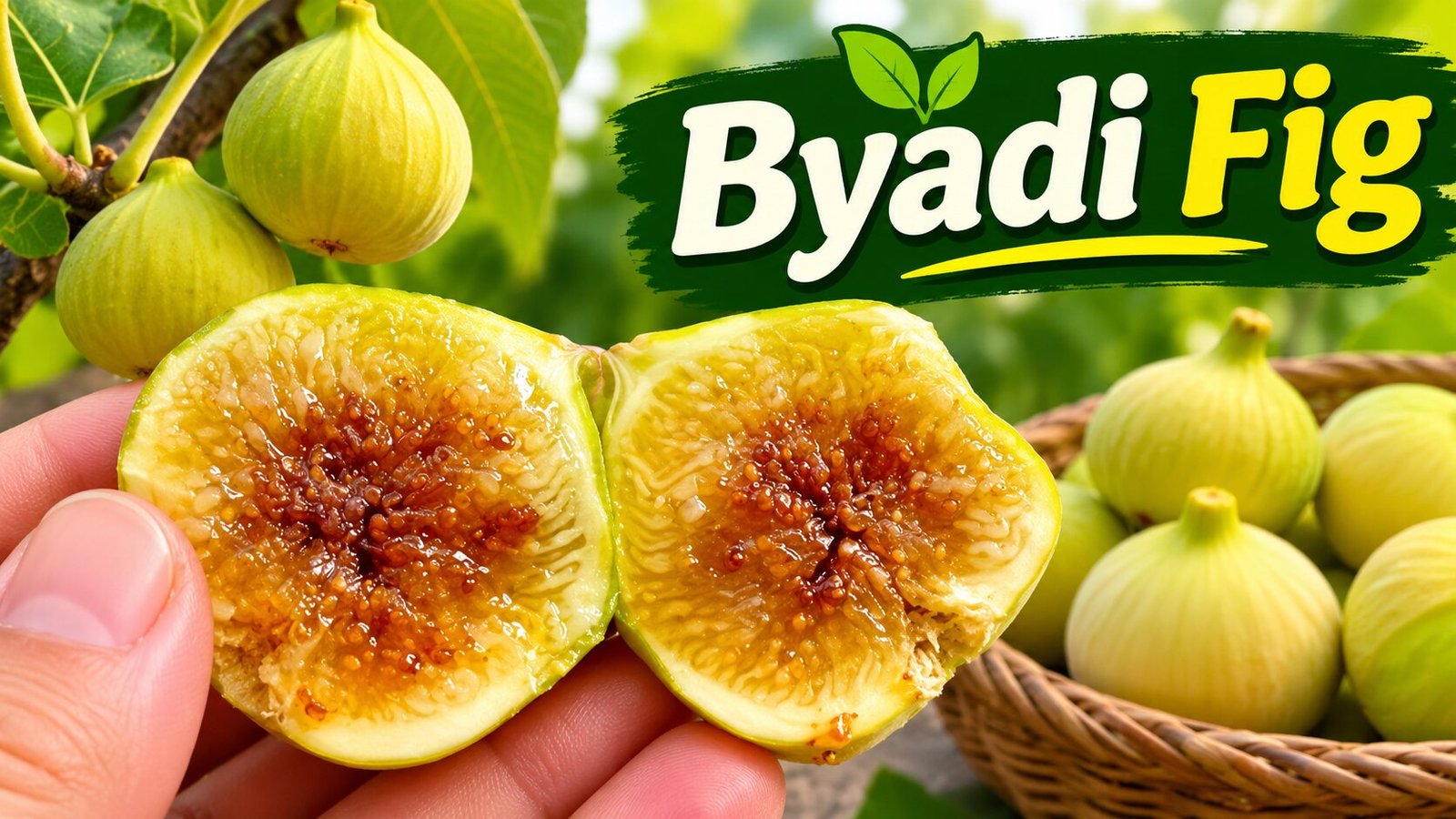
The Byadi fig is a sweet, light-colored fig variety found in parts of the Middle East. It is known for its soft skin, juicy flesh, and rich honey-like flavor. The fruit is often yellow, pale green, or almost white when ripe. People enjoy it fresh, dried, or made into traditional foods.
Byadi figs have a long history in countries such as Jordan, Lebanon, and Syria. They are valued for their taste and their place in local food traditions. Today, gardeners also grow Byadi fig trees for their attractive fruit and relatively simple care.
What Is a Byadi Fig?
The Byadi fig is a type of common fig, known by the scientific name Ficus carica. It belongs to the Moraceae family, which includes figs and mulberries.
Byadi is often used as a local name for pale or white-skinned figs. Because of this, the name may describe several related or distinct regional varieties rather than one exact type of fig.
The fruit is usually medium to large, with a round or slightly flattened shape. Its skin may be pale yellow, greenish-yellow, or creamy white. Inside, the flesh is soft, sweet, and often amber-colored.
Some Byadi figs have pink or reddish flesh, depending on where they grow and which local selection is being cultivated.
The fruit is often described as a honey-type fig because of its rich sweetness. Unlike figs with a strong berry flavor, many Byadi selections have a mild, sugary taste.
Origin and History of the Byadi Fig
The Byadi fig comes from the Middle East, where fig trees have been grown for thousands of years.
Countries such as Jordan, Lebanon, and Syria have a long tradition of growing figs. Local farmers have preserved different varieties through generations.
The name Byadi is linked to Arabic words associated with whiteness or a light color. This helps explain why the name is often used for figs with pale skin.
In some areas, the fruit is also called Bhyadi or Bayadi. These names may refer to local selections with slightly different features.
The Slow Food Foundation has documented a Bhyadi fig associated with traditional food culture. Its inclusion in the Ark of Taste highlights the importance of preserving local fig varieties and the knowledge connected to them.
Today, Byadi figs are grown by home gardeners and fig collectors outside their original growing regions.
Byadi Fig Appearance and Characteristics
The Byadi fig has several features that make it easy to recognize, although its appearance can vary between regional selections.
| Feature | Description |
|---|---|
| Common name | Byadi fig |
| Other names | Bhyadi, Bayadi |
| Scientific name | Ficus carica |
| Plant family | Moraceae |
| Region of origin | Middle East |
| Fruit size | Medium to large |
| Fruit shape | Round or slightly flattened |
| Skin color | Pale yellow, light green, or creamy white |
| Flesh color | Usually amber or light-colored; sometimes pink or red |
| Flavor | Sweet, mild, and honey-like |
| Texture | Soft and juicy when ripe |
| Tree growth | Often vigorous and upright |
| Harvest period | Early to mid-season in some selections |
| Common uses | Fresh eating, drying, jams, and traditional preserves |
These characteristics are general descriptions. A Byadi fig grown in Lebanon may look or taste different from one grown in Jordan.
Climate, soil, sunlight, and fruit maturity can also affect its appearance and sweetness.
What Does a Byadi Fig Taste Like?
The Byadi fig is best known for its sweet, honey-like flavor.
When fully ripe, the fruit develops a soft texture and a rich, sugary taste. Its flesh is usually juicy, with tiny edible seeds that add a light crunch.
Many growers describe Byadi figs as mild and sweet rather than strongly fruity.
The flavor may include notes of honey, sugar syrup, or light caramel. However, these descriptions are based on taste and can vary between individual fruits.
A fully ripe Byadi fig is usually sweeter than one picked too early.
Warm weather and plenty of sunlight can help the fruit develop its natural sugars. Too much rain near harvest may cause the fruit to become watery or split.
For the best taste, allow the fig to ripen on the tree before picking it.
Different Types of Byadi Figs
The name Byadi does not always refer to a single, genetically identical fig variety.
Different parts of the Middle East have their own local selections. These may share pale skin and sweet flesh but differ in size, color, and harvest time.
Lebanese Byadi Fig
Lebanese Byadi is a fig selection associated with Lebanon.
It is often described as a sweet, honey-type fig with light-colored skin. Some selections may have amber flesh, while others show pink or reddish tones.
Growers value Lebanese Byadi for its flavor and productive growth.
Jordanian Byadi Fig
Jordanian Byadi is another regional selection discussed by fig collectors.
It is associated with the traditional fig-growing areas of Jordan. Its fruit is generally described as sweet, although its exact appearance can differ between trees.
Some growers report variations in pulp color and fruit size.
Syrian Byadi Fig
Syria also has a long history of fig cultivation.
The Byadi name is used for light-colored figs in parts of the region. Local trees may differ in fruit shape, sweetness, and ripening time.
Because naming practices vary, buyers should ask about the source of a plant before purchasing it.
How to Grow a Byadi Fig Tree
Byadi fig trees can be grown in gardens or large containers. Like most common figs, they prefer warm weather, good sunlight, and well-drained soil.
The tree can grow strongly when given suitable conditions.
Choose a Sunny Location
Fig trees need plenty of sunlight to grow well and produce sweet fruit.
Choose a place that receives at least six to eight hours of direct sunlight each day.
A sunny location helps the tree develop healthy branches and supports fruit ripening.
In cooler areas, planting near a warm, sheltered wall may provide extra protection.
Use Well-Drained Soil
Byadi fig trees grow best in soil that drains well.
They can tolerate several soil types, but constantly wet ground can damage their roots.
If the soil is heavy, adding organic matter and improving drainage may help.
For container growing, use a potting mix that allows excess water to escape.
Water the Tree Carefully
Young fig trees need regular watering while their roots become established.
Water deeply, then allow the upper soil to begin drying before watering again.
Mature trees planted in the ground can tolerate some dry conditions, but long periods without water may reduce fruit quality.
Container-grown figs usually need more frequent watering because pots dry out faster.
Feed the Tree When Needed
Fig trees do not always need large amounts of fertilizer.
Healthy trees growing in fertile soil may produce good fruit without frequent feeding.
If growth is weak, a balanced fertilizer can help. Avoid using too much nitrogen, as it may encourage leaves and branches instead of fruit.
Prune During Dormancy
Pruning helps maintain the tree’s shape and removes dead or damaged branches.
The best time for major pruning is usually during the dormant season, after leaf fall and before strong spring growth.
Remove crossing branches and keep the center of the tree open enough for sunlight and airflow.
Avoid heavy pruning without a clear reason, as it can affect fruit production.
Can You Grow Byadi Figs in Containers?
Yes, Byadi fig trees can be grown in containers when given enough space and proper care.
Container growing is useful for gardeners with small yards, patios, or balconies.
Choose a large pot with drainage holes. The container should have enough room for the roots to develop.
Use a well-draining potting mix and place the tree where it receives plenty of sunlight.
Check the soil often during hot weather. Container-grown trees can dry out quickly, especially when carrying fruit.
As the tree grows, it may need a larger container or careful root pruning.
In colder climates, container growing also makes it easier to move the tree into a protected area during winter.
Does the Byadi Fig Need Pollination?
Many Byadi selections are described by growers as common figs that can produce fruit without pollination.
Common figs can develop edible fruit through a process called parthenocarpy. This means they do not need pollen to produce a crop.
This feature makes them useful for home gardeners in places where the specialized fig wasp is not present.
However, because Byadi is a regional name used for different selections, it is important to confirm the fruiting type of the exact plant being purchased.
A reliable nursery or experienced grower may be able to provide this information.
When Do Byadi Figs Ripen?
Byadi figs are often described as early- to mid-season producers, but the exact harvest time depends on the selection and local climate.
In warm regions, some figs may begin ripening during summer. Other trees may produce their main crop later in the season.
Weather, tree age, sunlight, and growing conditions can affect the harvest.
A ripe Byadi fig usually becomes softer and may hang slightly downward from its stem.
Its skin may change from green to pale yellow or a lighter shade as it matures.
The fruit should feel soft but not rotten.
Figs do not continue to ripen in the same way as many other fruits after picking. For the best sweetness, harvest them when they are fully ripe.
How to Harvest and Store Byadi Figs
Byadi figs are delicate fruits, especially when fully ripe.
Handle them carefully to avoid bruising or tearing the skin.
Pick the fruit gently from the tree when it feels soft and has developed its ripe color.
Fresh figs are best eaten soon after harvesting because they spoil quickly.
If you want to keep them for a short time, place them in a shallow container in the refrigerator.
Avoid stacking too many figs on top of one another.
For longer storage, figs can be dried or turned into preserves.
Drying removes much of the fruit’s moisture and helps extend its shelf life when done correctly.
Nutritional Value of Byadi Figs
Byadi figs contain natural sugars, fiber, and small amounts of vitamins and minerals.
There is limited published nutritional research focused on Byadi as a specific variety. However, its general nutritional profile is likely similar to that of other fresh common figs.
According to standard food composition data, 100 grams of fresh figs contain approximately:
| Nutrient | Amount per 100 g |
|---|---|
| Calories | 74 kcal |
| Carbohydrates | 19.2 g |
| Natural sugars | 16.3 g |
| Dietary fiber | 2.9 g |
| Protein | 0.75 g |
| Fat | 0.3 g |
| Potassium | 232 mg |
| Calcium | 35 mg |
| Magnesium | 17 mg |
| Vitamin C | 2 mg |
These values are general figures for fresh figs, not laboratory-tested values for Byadi figs.
The actual amounts may vary with growing conditions, ripeness, and fruit size.
Health Benefits of Byadi Figs
Byadi figs can be part of a balanced diet. Like other figs, they provide fiber, natural carbohydrates, and useful minerals.
Supports Digestive Health
Figs contain dietary fiber, which helps support normal bowel movements.
Eating fiber-rich foods can help maintain digestive health and reduce the risk of constipation.
Fresh figs also contain water, which contributes to daily fluid intake.
Provides Natural Energy
Byadi figs contain natural sugars that provide energy.
They can be eaten as a snack or added to breakfast foods.
Dried figs contain more concentrated sugars and calories per gram than fresh figs because much of their water has been removed.
Contains Useful Minerals
Figs provide potassium, calcium, and magnesium.
Potassium helps support normal muscle and nerve function. Calcium plays an important role in bone health, while magnesium supports many processes in the body.
However, figs should not be treated as a complete source of these nutrients.
Adds Variety to a Healthy Diet
Fresh figs can be included in meals alongside vegetables, whole grains, nuts, and other fruits.
Their sweetness makes them a useful alternative to some desserts with added sugar.
Still, eating Byadi figs does not prevent or cure disease. Their benefits come from being part of an overall healthy eating pattern.
Traditional Uses of Byadi Figs
Byadi figs have a place in Middle Eastern food traditions.
They can be eaten fresh, dried, or prepared in sweet dishes and preserves.
Fresh Eating
The simplest way to enjoy a Byadi fig is to eat it fresh.
Wash the fruit gently and eat it with the skin. Fully ripe figs are soft, sweet, and easy to enjoy without extra ingredients.
They can also be served with yogurt, cheese, or nuts.
Dried Figs and Qutain
Drying figs is a traditional way to preserve them for later use.
In parts of the Middle East, dried figs are known as qutain.
The drying process reduces moisture and creates a chewy fruit with concentrated sweetness.
Dried figs can be eaten as snacks or used in traditional recipes.
Fig Jam and Preserves
Byadi figs can also be cooked into jam.
The fruit is usually heated with sugar and other ingredients until it develops a thick texture.
Fig jam can be served with bread, pastries, and breakfast foods.
Maqu’d al Teen
Maqu’d al teen is a traditional fig preserve found in parts of the Levant.
Recipes vary between families and regions, but they often involve cooking figs in a sweet syrup.
This preparation helps preserve the fruit and gives it a rich flavor.
Byadi Fig vs. Other Fig Varieties
Byadi figs are often compared with other popular fig varieties because of their light skin and sweet flavor.
| Feature | Byadi Fig | Black Mission Fig | Kadota Fig |
|---|---|---|---|
| Skin color | Pale yellow to greenish-white | Dark purple to black | Green to yellow-green |
| Flesh color | Usually amber; varies by selection | Pink to reddish | Amber to pinkish |
| Flavor | Sweet and honey-like | Rich, sweet, and berry-like | Mild and sweet |
| Fruit size | Medium to large | Small to medium | Medium |
| Common uses | Fresh, dried, preserves | Fresh and dried | Fresh, canned, and preserves |
| Growing regions | Middle Eastern origins | Widely grown in warm regions | Widely grown in warm regions |
Byadi figs may appeal to people who prefer a mild, honey-like taste.
Black Mission figs are often chosen for their darker color and richer flavor.
Kadota figs are another light-skinned option and are commonly used for fresh eating and processing.
Common Problems When Growing Byadi Figs
Like other fig trees, Byadi can face problems caused by weather, watering, pests, and poor growing conditions.
Fruit Splitting
Figs may split when they absorb too much water near harvest.
Heavy rain or sudden changes in soil moisture can increase this problem.
Keeping watering consistent and providing good drainage may help.
Yellow Leaves
Yellow leaves can result from several causes, including excess water, nutrient problems, or seasonal changes.
If the soil remains wet for too long, the roots may struggle to function properly.
Check soil moisture and drainage before adding fertilizer.
Poor Fruit Production
A young fig tree may take time to begin producing a good crop.
Low sunlight, heavy pruning, excessive nitrogen, or unsuitable growing conditions can also reduce fruit production.
Make sure the tree receives enough sunlight and is not being overfed.
Birds and Insects
Ripe figs can attract birds, ants, and other insects.
Harvesting fruit promptly can reduce losses.
Gardeners may also use suitable fruit protection methods, such as properly installed netting that does not trap wildlife.
Where Can You Buy a Byadi Fig Tree?
Byadi fig trees and cuttings are sometimes available from specialty fruit nurseries, fig collectors, and online plant sellers.
Some sellers list them under names such as Lebanese Byadi, Jordanian Byadi, or Bhyadi.
Because the name may refer to different regional selections, it is important to check the plant’s background before buying.
Ask the seller about its fruit color, ripening time, growing habits, and whether it produces fruit without pollination.
You should also check whether the plant is suitable for your local climate.
When buying from another country, follow local plant import and quarantine rules.
Why Is the Byadi Fig Special?
The Byadi fig stands out because of its sweet flavor, pale appearance, and connection to Middle Eastern agriculture.
Its name reflects traditional ways of identifying figs by color and local characteristics.
Different communities have preserved their own selections over time. These trees are part of a wider history of fig growing in the region.
The Byadi fig also shows why local fruit varieties matter. They can carry unique flavors and growing traits that may not be found in widely sold commercial figs.
Preserving these varieties helps maintain agricultural diversity and traditional food knowledge.
Final Thoughts
The Byadi fig is a sweet, light-skinned fruit with deep roots in Middle Eastern food culture. Its honey-like taste, soft flesh, and attractive appearance make it popular for fresh eating, drying, and traditional preserves.
The name Byadi can refer to different local selections, so fruit color, flavor, and harvest time may vary. For gardeners, the tree can be a rewarding choice when grown in a sunny place with well-drained soil.
Whether enjoyed fresh from the tree or prepared in a traditional recipe, the Byadi fig remains an interesting part of the region’s long fig-growing history.
FAQs
What is a Byadi fig?
A Byadi fig is a light-skinned, sweet fig associated with the Middle East and known for its honey-like flavor.
Where does the Byadi fig come from?
Byadi figs are associated with Middle Eastern countries, including Jordan, Lebanon, and Syria.
What does a Byadi fig taste like?
A ripe Byadi fig usually tastes sweet and mild, with a honey-like flavor and soft, juicy flesh.
Can you grow a Byadi fig tree in a pot?
Yes, Byadi fig trees can grow in large containers with good drainage, enough sunlight, and regular care.
Does the Byadi fig need pollination?
Many Byadi selections are reported to be common figs that fruit without pollination, but the exact plant type should be confirmed with the seller.
Read more: Pravi Celer: Read Health Benefits Of Traditional Balkan Cooking
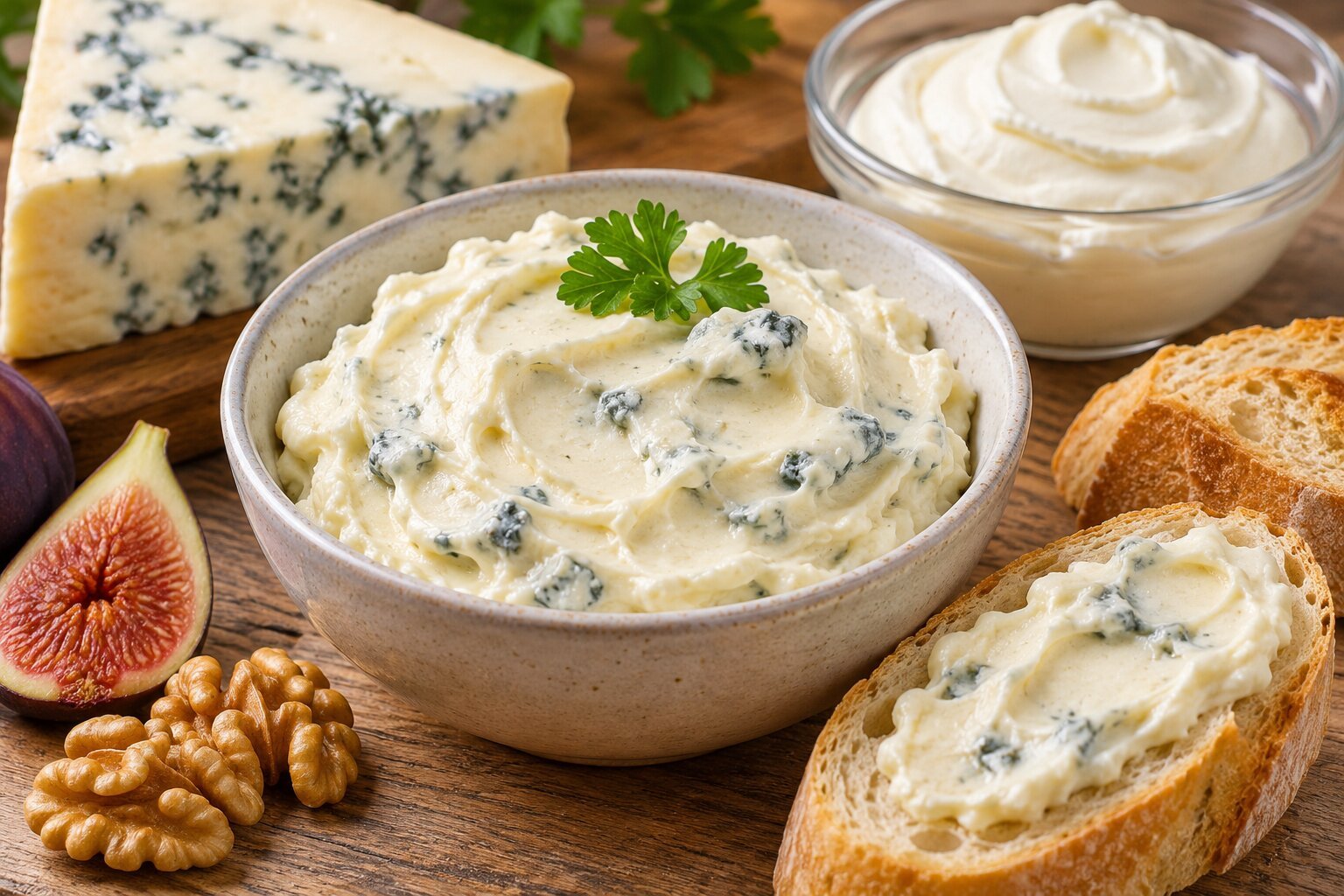
Masgonzola brings two rich Italian cheeses together in one creamy mix. It combines the bold taste of Gorgonzola with the smooth, mild flavor of mascarpone. The result is a soft cheese blend that is easy to spread, melt, and enjoy with many foods.
This cheese mix is a good choice for people who find blue cheese too strong. It works well in pasta, pizza, risotto, and simple snacks. Here is everything you need to know about Masgonzola, from its ingredients and taste to its uses and storage.
What Exactly Is Masgonzola?
Masgonzola is a creamy cheese mix made with Gorgonzola and mascarpone. Gorgonzola gives it a rich, tangy taste. Mascarpone adds a smooth, buttery feel. Together, they make a mild and creamy blend that is easy to enjoy.
The name Masgonzola comes from the names of these two cheeses. It is often used in Swiss and German food markets. Some sellers call it Mascarpone-Gorgonzola. Both names describe the same basic type of cheese blend.
Some products contain nearly equal parts of each cheese. Others may use more mascarpone for a softer taste. This means the flavor and texture can change from one brand to another.
Is Masgonzola a Real Cheese Variety?
Masgonzola is a real cheese product, but it is not a separate, officially protected cheese variety. It is better described as a blend of two well-known Italian cheeses.
Gorgonzola has Protected Designation of Origin (PDO) status in Europe. This means its name and production follow special rules. Masgonzola does not have the same separate protected status.
This difference is useful when buying cheese. A product sold as Masgonzola may have its own mix of ingredients. Reading the label helps you know what you are getting.
How Masgonzola Is Made
Masgonzola is made by combining Gorgonzola with mascarpone. Gorgonzola is a blue cheese made from cow’s milk. It has blue-green veins and a strong flavor. Mascarpone is a soft Italian cream cheese with a rich and mild taste.
The two cheeses are mixed or placed in layers. Some makers use almost equal amounts. Others change the ratio to create a milder or stronger flavor. The final product is usually soft, rich, and easy to spread.
Masgonzola does not need a separate aging process after the two cheeses are combined. The Gorgonzola has already been aged before mixing. The finished blend is then packed and kept cold until it is sold.
What Does Masgonzola Taste Like?
Masgonzola has a rich, creamy taste with a mild blue cheese flavor. The Gorgonzola adds a little salt, tang, and sharpness. The mascarpone makes the mix smoother and less intense.
Its texture is soft and thick. It spreads easily on bread and melts into warm food. Some versions have visible blue cheese veins or layers of white mascarpone.
The taste also depends on the type of Gorgonzola used. A mild Gorgonzola makes a softer blend. A stronger one gives the cheese more bite. This makes Masgonzola a good way to explore blue cheese without starting with its strongest flavors.
Masgonzola Nutrition: What the Numbers Actually Look Like
Masgonzola contains fat, protein, calcium, and calories. Its nutrition depends on the amount of Gorgonzola and mascarpone in the mix. A blend with more mascarpone will often contain more fat and have a richer texture.
Here is a simple look at what you can expect from this cheese.
| Nutrient | What to know |
|---|---|
| Calories | High due to its rich dairy ingredients |
| Protein | Comes mainly from the Gorgonzola |
| Total fat | Usually high |
| Saturated fat | A major part of its fat content |
| Calcium | Present in both cheeses |
| Sodium | Comes largely from Gorgonzola |
| Carbohydrates | Usually low, but varies by product |
There is no single nutrition chart for all Masgonzola products. Each maker may use a different recipe. For exact calories, fat, and salt levels, check the nutrition label on the package.
Is Masgonzola Healthy?
Masgonzola can be part of a balanced diet when eaten in small amounts. It provides some protein and calcium. These nutrients help support muscles, bones, and other body functions.
However, it is also rich in saturated fat and can contain a good amount of salt. Eating large portions often may not be a good choice for people who need to limit these nutrients.
A small serving can add plenty of flavor to a meal. You can pair it with vegetables, fruit, or whole-grain bread. This lets you enjoy its rich taste without using too much cheese.
Masgonzola vs. Gorgonzola: Which Should You Choose?
Masgonzola and Gorgonzola share some flavors, but they are not the same. Gorgonzola is a traditional Italian blue cheese. Masgonzola is a blend that uses Gorgonzola and mascarpone.
The biggest difference is how they taste and feel. Gorgonzola can have a bold, salty, and sharp flavor. Masgonzola is often milder because the mascarpone softens the blue cheese taste.
| Feature | Masgonzola | Gorgonzola |
|---|---|---|
| Type | Cheese blend | Traditional blue cheese |
| Main ingredients | Gorgonzola and mascarpone | Cow’s milk and cheese cultures |
| Flavor | Mild, creamy, tangy | Mild to strong, depending on type |
| Texture | Soft and spreadable | Creamy to firm |
| Best uses | Spreads, pasta, sauces | Salads, sauces, cheese boards |
| PDO status | No separate PDO status | Protected PDO cheese |
Choose Masgonzola if you want a smooth and gentle blue cheese flavor. Choose Gorgonzola if you enjoy a stronger cheese taste. Both can work well in cooking, but Masgonzola is often easier to use as a spread.
The Best Ways to Use Masgonzola
Masgonzola is useful in many dishes because it is soft and melts well. You can use it in hot meals or serve it cold. Its creamy taste works with bread, pasta, vegetables, and even some fruits.
You do not need special cooking skills to enjoy this cheese. A small amount can turn a simple dish into a rich meal. Here are some easy ways to use it at home.
Pasta and Creamy Sauces
Masgonzola works well in pasta sauces. Add a few spoonfuls to warm cooked pasta with a little pasta water. Stir gently until the cheese melts and coats the pasta.
You can add spinach, mushrooms, or cooked chicken for more flavor. Black pepper and a little garlic also work well. Taste the sauce before adding salt because the cheese may already be salty.
Risotto
Risotto is another good match for Masgonzola. The soft cheese blends into warm rice and makes it extra creamy.
Add the cheese near the end of cooking. Stir until it melts into the rice. You can also add mushrooms, peas, or walnuts for more texture.
Crostini, Bread, and Crackers
Masgonzola makes an easy spread for toasted bread. Place a small amount on warm crostini or crackers. Its soft texture makes it easy to serve.
For extra flavor, add sliced pears, walnuts, or a little honey. The sweet taste of fruit or honey works well with the salty blue cheese.
Dates and Other Appetizers
Sweet dates and creamy Masgonzola make a tasty pair. Cut a date open, remove the pit, and add a small spoonful of cheese.
You can also use it with figs, grapes, or apple slices. These snacks are easy to make for family meals or small parties.
Pizza, Flatbread, and Baked Dishes
Masgonzola can add a creamy touch to pizza and flatbread. Place small spoonfuls across the top before baking. It will soften and spread as the food heats.
It also works in baked potatoes and vegetable dishes. Try it with roasted mushrooms, spinach, or potatoes. Use a little at first so the cheese does not cover the other flavors.
How to Store Masgonzola
Masgonzola is a fresh, soft cheese blend that needs cold storage. Keep it in the fridge and follow the storage directions on the package. A fridge temperature of 40°F (4°C) or below is a good rule.
After opening, close the package well or place the cheese in a clean, sealed container. This helps keep it from drying out and taking on other food smells. Always use a clean spoon or knife when serving it.
Follow the label for how soon to eat it after opening. Do not leave it at room temperature for more than two hours, or one hour in very hot weather. Throw it away if it develops an unusual smell, unexpected mold growth, or other signs of spoilage. Blue veins from the original Gorgonzola are normal, but new mold should not be treated as safe.
How to Buy the Right Product
Masgonzola may not be sold under the same name in every store. Some shops label it as Mascarpone-Gorgonzola or Gorgonzola with mascarpone. You may find it in specialty cheese shops, Italian food stores, or larger supermarkets.
Read the ingredients before buying. A traditional blend should contain both Gorgonzola and mascarpone. Check the ratio if it is listed. More mascarpone often means a softer and milder flavor.
Also look at the use-by date, package condition, and storage instructions. Choose a product that has been kept cold. If you cannot find a ready-made version, you can make a simple blend at home using Gorgonzola and mascarpone.
How to Make Masgonzola at Home
Making a simple Masgonzola-style spread at home is easy. You only need two main ingredients. This is a useful option if local stores do not sell the ready-made blend.
Ingredients:
- 100 grams of Gorgonzola
- 100 grams of mascarpone
- A little black pepper, if desired
Place both cheeses in a clean bowl. Let them soften briefly in the fridge if needed, then mix with a fork until smooth. You can leave small pieces of Gorgonzola for extra texture.
Taste the mixture before adding anything else. For a milder spread, add more mascarpone. For a stronger taste, add more Gorgonzola. Serve it right away or keep it covered in the fridge. Use fresh ingredients and follow their storage dates.
FAQs
What is Masgonzola made of?
Masgonzola is made by combining Gorgonzola blue cheese with soft, creamy mascarpone.
Is Masgonzola the same as Gorgonzola?
No. Gorgonzola is a traditional blue cheese, while Masgonzola is a creamy blend of Gorgonzola and mascarpone.
What does Masgonzola taste like?
It tastes rich, buttery, and mildly tangy, with a softer blue cheese flavor than many types of Gorgonzola.
What can I use Masgonzola for?
You can use it in pasta, risotto, pizza, creamy sauces, bread spreads, and simple appetizers.
Where can I buy Masgonzola?
Look for it in specialty cheese shops, Italian food stores, and supermarkets under Masgonzola or Mascarpone-Gorgonzola.
A Better Way to Understand Masgonzola
Masgonzola is a simple mix of two Italian cheeses that brings rich flavor and a soft texture to everyday food. It is not a separate protected cheese variety, but it offers a useful way to enjoy Gorgonzola in a milder form.
Whether you spread it on bread, melt it into pasta, or add it to a snack, Masgonzola can make many dishes taste richer. Its mix of tangy blue cheese and smooth mascarpone makes it a good choice for anyone who enjoys creamy cheese with a little extra flavor.
More: Pravi Celer: Read Health Benefits Of Traditional Balkan Cooking

The word Messonde often appears in searches about measuring tools, sensors, and technical equipment. It may be a misspelling or shortened form of the German word Messsonde, which means measuring probe. These tools help measure temperature, pressure, gas levels, water quality, and other physical or chemical values.
Measuring probes are used in factories, laboratories, vehicles, and many other places. This guide explains what Messonde means, how measuring probes work, their main types, common uses, and how to choose the right one.
What Does Messonde Mean?
Messonde is not a widely recognized standard English engineering term. In many technical contexts, it may refer to the German word Messsonde. This word means measuring probe in English.
A measuring probe is a tool used to check a physical or chemical value. It may measure heat, pressure, oxygen, water levels, or electrical properties. The exact purpose depends on the type of probe.
These tools help workers collect useful data. They are common in science, engineering, and industrial testing. Some probes show results on a small screen, while others send data to a computer or control system.
Messonde vs. Messsonde: Why the Spelling Matters
The spelling of a technical word can change its meaning or make it harder to find the correct information. Messsonde is a German word made from Mess, which relates to measuring, and Sonde, which means probe.
Messonde has one fewer letter than Messsonde. It may appear because of a typing error, a translation issue, or an incorrect spelling on a website.
When searching for technical equipment, using the correct term is helpful. Searching for Messsonde or measuring probe may give more useful results than searching for Messonde alone.
How Does a Messonde Measuring Probe Work?
A measuring probe detects changes in the material or environment around it. It then turns those changes into information that a person or machine can read.
The working process depends on the type of sensor. However, many measuring probes follow a similar set of steps.
The probe comes into contact with the material
Some probes touch the material they measure. Others detect changes without direct contact. For example, a temperature probe may sit inside a liquid, while some thickness probes work from the surface of an object.
The sensor detects a change
A sensing part responds to heat, pressure, light, gas, or another property. This response may change an electrical value or create a small signal.
The probe produces a signal
The device turns the sensor’s response into a signal. This may be a change in voltage, current, resistance, or digital data.
The measuring system shows the result
A meter, controller, or computer reads the signal and converts it into a useful value. The result may appear as degrees, pressure units, oxygen levels, or another measurement.
Common Types of Messonde Measuring Probes
Different measuring jobs need different types of probes. A device made for checking heat may not work for testing water quality or gas levels.
Here are some common types of measuring probes.
| Probe Type | What It Measures | Common Use |
|---|---|---|
| Temperature probe | Temperature | Food, heating, machines |
| Pressure probe | Pressure | Pipes and industrial systems |
| Oxygen probe | Oxygen levels | Water testing and gas analysis |
| Conductivity probe | Electrical conductivity | Water quality |
| Level probe | Liquid level | Tanks and storage systems |
| Thickness probe | Material or coating thickness | Manufacturing |
| Radiation probe | Radiation | Safety monitoring |
Temperature Probes
Temperature probes measure how hot or cold something is. They are used in kitchens, factories, heating systems, and laboratories.
Common examples include thermocouples and resistance temperature detectors. Each type has its own measuring range and accuracy.
Oxygen and Gas Probes
Gas probes detect certain gases in air, liquids, or industrial systems. Oxygen probes are often used in water testing and vehicle exhaust systems.
These devices help workers monitor gas levels and control processes.
Conductivity and Salinity Probes
Conductivity probes measure how well a liquid carries electricity. This can help users check the amount of dissolved ions in water.
Salinity may also be estimated from conductivity when the correct method and settings are used.
Level Probes
Level probes measure how much liquid is inside a tank or container. Some use pressure, while others use electrical or other sensing methods.
They help control filling, storage, and liquid movement.
Coating and Thickness Probes
Thickness probes measure the thickness of materials or surface coatings. They are common in factories and quality testing.
Some use magnetic methods, while others use ultrasound or electrical techniques.
Where Are Messonde Measuring Probes Used?
Measuring probes are useful in many industries. They help workers check conditions, control machines, and find problems.
Industrial and Process Engineering
Factories use probes to monitor heat, pressure, liquid levels, and other values. This information helps machines work within their set limits.
For example, a temperature probe may help control a heating system. A pressure probe may monitor a pipe or storage tank.
Radiation Monitoring
Radiation probes help detect and measure certain types of radiation. They are used in research, safety testing, and specialized workplaces.
The correct device depends on the type of radiation being measured.
Automotive and Exhaust Testing
Vehicles use oxygen sensors to help control the fuel and air mixture in an engine. These sensors check oxygen in the exhaust gases.
Other probes may be used during engine testing and vehicle repairs.
Food and Kitchen Applications
Food temperature probes help check the inside temperature of meat, liquids, and other foods.
They are also used in food production to monitor heating and cooling.
Laboratory and Water Testing
Laboratories use probes to measure pH, oxygen, conductivity, and temperature. These values help researchers study water and other samples.
Water treatment plants also use sensors to monitor water conditions.
Messonde vs. Radiosonde vs. Sensor
Messonde, radiosonde, and sensor may sound similar, but they do not always mean the same thing.
A measuring probe is a device or part of a system used to take measurements. It often contains a sensor and may include a protective body, cable, or other parts.
A sensor is the part that detects a change. A radiosonde is a special device used to measure conditions in the atmosphere and send data by radio.
| Term | Meaning | Main Purpose |
|---|---|---|
| Messonde | Possible variant of Messsonde | General measuring probe |
| Messsonde | German term for measuring probe | Taking measurements |
| Sensor | Device or element that detects a change | Sensing a physical or chemical value |
| Radiosonde | Weather measuring device with radio transmission | Measuring atmospheric conditions |
Radiosondes are often carried by weather balloons. They measure values such as air temperature, humidity, and pressure as they rise through the atmosphere.
Is Messonde a Software or Brand Name?
Some online pages may describe Messonde as a digital platform, software tool, or business system. However, the word alone does not prove that such a product exists.
In technical documents, the more likely meaning may be a measuring probe, especially when the text comes from German.
It is important to check the full context. A product name, manufacturer, model number, or official manual can help identify the correct meaning.
Can Messonde Mean a Communication Framework?
Some online explanations may use Messonde to describe a communication framework or digital system. This meaning should not be treated as an established technical definition without reliable evidence.
In engineering, the related German word Messsonde has a clear meaning. It refers to a measuring probe.
If a website describes Messonde as a communication platform, check whether it gives technical documents, product details, or other proof. Without this information, the claim remains uncertain.
How to Choose the Right Messonde Measuring Probe
Choosing a measuring probe depends on the job. The wrong probe may give poor results or become damaged during use.
Start by deciding what you need to measure. Then check the conditions where the device will work.
- Measurement type: Choose a probe made for temperature, pressure, oxygen, conductivity, or another value.
- Operating environment: Check whether it can handle heat, moisture, chemicals, or other conditions.
- Measurement range: Make sure the expected values fall within the probe’s supported range.
- Accuracy: Check how close the results need to be to the true value.
- Output: Choose a device that works with your meter, computer, or control system.
- Calibration: Check whether the probe needs regular testing or adjustment.
- Maintenance: Follow the manufacturer’s instructions for cleaning, storage, and replacement.
A probe that works well in a laboratory may not be suitable for a factory. Always compare the device specifications with the needs of the job.
Why Calibration Matters for a Measuring Probe
Calibration helps users check whether a measuring device gives accurate results. It compares the probe’s readings with a known reference.
Over time, some probes may become less accurate. Heat, chemicals, dirt, wear, and aging can affect their performance.
Regular calibration helps users find measurement errors. Some devices can be adjusted after testing, while others may need repair or replacement. The correct schedule depends on the probe, its use, and the manufacturer’s guidance.
Common Mistakes When Searching for Messonde
People may find different meanings for Messonde online. This can make it hard to understand the term.
One common mistake is assuming that Messonde is always a company or product name. Another is thinking that every measuring probe works in the same way.
Some users also confuse measuring probes with radiosondes. These devices have different purposes. It is best to check the original language, technical details, and device specifications before making a choice.
Benefits and Limitations of Messonde Measuring Probes
Measuring probes can make testing faster and more useful. They help users collect data without relying only on visual checks or manual estimates.
Many probes can send readings to automated systems. This allows workers to monitor conditions and respond when values move outside the expected range.
However, probes also have limits. Some need direct contact with the material. Others require careful cleaning or regular calibration. A probe may also fail if used outside its approved temperature, pressure, or chemical limits.
Future of Measuring Probe Technology
Measuring probe technology continues to improve. Many modern systems use digital sensors and electronic controls to collect and process data.
Some devices can send readings to connected monitoring systems. This helps users view measurements from different locations and track changes over time.
Smaller sensors and better data systems may make monitoring easier in more settings. However, the need for proper installation, calibration, and maintenance remains important.
Conclusion
Messonde most likely refers to a measuring probe when it appears as a variation of the German word Messsonde. Such probes measure values like temperature, pressure, oxygen, conductivity, and liquid levels.
These devices are important in factories, laboratories, vehicles, food production, and water testing. Understanding how they work can help users choose the right tool and avoid common mistakes. The exact meaning of Messonde should always be checked against the original document or product details.
Frequently Asked Questions About Messonde
What does Messonde mean?
Messonde may be a misspelling or variation of the German word Messsonde, meaning measuring probe.
Is Messonde the same as Messsonde?
They may refer to the same thing in some contexts, but Messsonde is the recognized German spelling.
How does a Messonde measuring probe work?
It detects a physical or chemical change and sends a signal that a measuring system converts into a readable value.
What is the difference between Messonde and a radiosonde?
A measuring probe can measure many types of values, while a radiosonde is used to collect atmospheric data and send it by radio.
Is Messonde a software platform?
There is no basis to assume that the term refers to a specific software platform without further product information.

Plangud is an online name linked to digital planning, productivity, and better daily organization. The website presents itself as a digital planning framework and publishes articles about technology, business, lifestyle, and personal growth. It also shares ideas for managing tasks, setting goals, and planning a more organized week.
In 2026, Plangud is often described as a planning platform or productivity concept. However, its website mainly works as an online content platform, and not all claims about its software tools have been confirmed. Here is what Plangud offers, how its planning ideas work, and what readers should know.
What Is Plangud?
Plangud is a digital website that focuses on planning, productivity, and online information. Its main goal is to help readers learn about better ways to organize work and daily life.
The website uses the phrase “Your Digital Planning Framework.” It covers subjects such as work habits, time management, technology, and lifestyle. Readers can find guides and articles about making daily tasks easier.
Some online descriptions also call Plangud a project management platform. They mention digital calendars, task tracking, and team tools. However, these features should not be treated as confirmed software functions without further proof.
How Plangud Works
Plangud mainly works as an online publishing website. Visitors can read articles about planning, work, business, and technology. Its content aims to share useful ideas for daily tasks and personal goals.
The planning approach linked to Plangud starts with simple steps. A person sets a goal, divides it into smaller tasks, and chooses when to complete each one. This can help make large projects easier to manage.
For example, someone planning a busy week can write down important jobs, set deadlines, and check progress each day. These methods can be used with a notebook, calendar, or digital planning tool. They do not require a special Plangud application.
Main Features of the Plangud Website
Plangud offers several content sections for people interested in work, technology, and daily living. Its website has a blog-style layout with recent posts and topic categories.
The website covers technology, business, lifestyle, health, and other subjects. Readers can explore guides about productive workspaces, digital habits, and ways to manage their time.
Plangud also accepts guest posts, sponsored content, and business partnerships. This makes it a publishing platform for writers, brands, and marketers who want to share content with an online audience.
Plangud and Task Management
Task management means keeping track of work that needs to be done. It helps people decide what matters most and what should be completed first.
Plangud’s planning-related content supports the idea of making clear task lists. Instead of trying to finish everything at once, people can divide their work into smaller steps.
A simple daily task plan might include three important jobs, a few smaller tasks, and time for breaks. Checking off completed work can help people see their progress and prepare for the next day.
Habit Tracking and Daily Routines
Habit tracking is another idea linked to digital planning. It means keeping a record of actions that people want to repeat each day or week.
For example, someone may want to read for 20 minutes, exercise, or study each morning. A habit tracker can show how often these actions are completed. This makes it easier to notice patterns.
Plangud is sometimes linked to habit tracking in online descriptions. However, a built-in habit tracker has not been clearly verified on its website. Readers can still use the general planning ideas with other tools.
Schedule Management and Time Planning
A daily schedule helps people decide when to work, rest, and complete personal tasks. Good time planning can also reduce the stress of making last-minute choices.
Plangud publishes content about weekly planning and better work habits. These articles discuss setting priorities, making time for important work, and leaving room for changes.
A useful schedule should not fill every hour. People need time for meals, breaks, travel, and unexpected tasks. A flexible plan is often easier to follow than a strict one.
Plangud for Students and Personal Use
Students can use the planning ideas linked to Plangud to organize schoolwork, study time, and personal goals. A clear plan can make a busy school week feel easier.
For example, a student may divide a large assignment into research, writing, editing, and final review. Each part can have its own deadline. This helps avoid leaving all the work until the last day.
People can also apply these ideas at home. They may plan shopping, household tasks, fitness goals, or family activities. The methods are simple and can work without advanced software.
Plangud for Businesses and Teams
Businesses often need clear plans to manage projects and deadlines. Teams must know which tasks need attention and who is responsible for each job.
Some Plangud articles discuss project planning, teamwork, and digital workflows. These topics can help readers understand how businesses organize their work.
For example, a small marketing team may use a shared calendar to plan articles and campaigns. Team members can review deadlines and update progress. However, there is no clear independent proof that Plangud itself provides a working team dashboard with these functions.
Plangud and Digital Productivity
Digital productivity means using technology to complete work in a more organized way. It may involve calendars, task lists, online documents, and communication tools.
Plangud connects with this subject through its website content. It publishes articles about technology and productive work habits. These guides may help readers learn how to make better use of their time.
Good productivity is not just about completing more tasks. It also means choosing useful work, avoiding distractions, and knowing when to rest. Simple habits can make a real difference in daily life.
Plangud Compared With Other Planning Tools
Plangud is often mentioned alongside established planning tools. However, there is an important difference between its public website and dedicated task management software.
| Platform | Main Purpose |
|---|---|
| Plangud | Online articles and planning-related content |
| Trello | Visual task boards and project tracking |
| Asana | Team projects and task management |
| Notion | Notes, documents, and organized workspaces |
| Google Calendar | Events, reminders, and schedule planning |
Trello, Asana, Notion, and Google Calendar offer documented software tools. Plangud’s public website mainly presents articles and planning information.
Readers looking for a specific planning feature should check whether it is available before choosing a platform.
Is Plangud Free to Use?
Plangud’s public articles can be read through its website. Visitors can browse different subjects and explore the content without using a paid planning subscription.
The website also offers publishing and promotional services. These include guest posts, sponsored articles, and backlink opportunities for businesses and content creators.
There is no clearly verified public pricing plan for a separate Plangud productivity application. Claims about premium dashboards, paid subscriptions, or advanced planning tools should be checked carefully.
Is Plangud a Real Planning App?
Plangud has an active website that presents itself as a digital planning framework. Its pages contain articles about productivity, technology, business, and lifestyle.
However, the existence of a website does not prove that it offers a complete planning application. Public information does not clearly confirm a dedicated app, official software download, or fully working task management system.
This does not mean the website has no value. Its articles may still provide useful ideas. Readers should simply understand the difference between planning advice and software that performs planning tasks.
What Does Plangud Mean Outside Digital Planning?
The word “plangud” also has a meaning outside the online planning world. In Estonian, it is a plural form linked to wooden planks or boards.
This meaning is separate from the digital website. It can appear in discussions about timber, woodworking, flooring, and building materials.
The different meanings explain why online searches may show unrelated results. When Plangud appears in a technology article, it usually refers to the website or a planning idea. In Estonian building contexts, it may refer to wooden boards.
Benefits and Limits of Plangud
Plangud can be useful as a source of general planning and lifestyle information. Its articles cover subjects that may interest students, workers, business owners, and people who want better daily habits.
Its main strength is the range of topics available on the website. Readers can explore planning advice along with technology, business, and lifestyle content.
The main limit is the lack of clear proof for some software claims. Readers should not assume that Plangud offers automatic task tracking, artificial intelligence tools, or advanced team features simply because these are mentioned in online articles.
Final Thoughts
Plangud is an online content platform connected with digital planning, productivity, technology, and lifestyle. It shares articles that may help readers understand task management, weekly schedules, and better work habits.
In 2026, Plangud continues to appear in discussions about online planning tools and personal organization. While its website is active, its claimed software features remain unclear. For now, it is best understood as a planning-related website and source of general information rather than a fully verified productivity application.
Quick Facts About Plangud
| Information | Details |
|---|---|
| Name | Plangud |
| Website | plangud.com |
| Type | Online publishing and planning-related website |
| Website tagline | Your Digital Planning Framework |
| Main topics | Productivity, technology, business, lifestyle |
| Content format | Articles and online guides |
| Target readers | General readers, workers, bloggers, businesses |
| Guest posting | Offered |
| Sponsored content | Offered |
| Dedicated planning app | Not independently verified |
| Software pricing | Not clearly confirmed |
| Current status | Website active in 2026 |
Frequently Asked Questions
What is Plangud used for?
Plangud is mainly used to read online articles about planning, productivity, technology, business, and lifestyle.
Is Plangud a free planning tool?
Its public articles are accessible online, but a separate free planning application has not been verified.
Does Plangud offer habit tracking?
Habit tracking is linked to Plangud in some online articles, but a built-in tracking feature has not been confirmed.
Can businesses use Plangud?
Businesses can explore its content and inquire about guest posting, sponsored articles, and promotional services.
Is Plangud a website or an app?
Plangud is an active website, while the existence of a dedicated productivity app remains unconfirmed.

Masgonzola Cheese: A Creamy Blend of Two Italian Favorites

Lori Anne Allison: Meet Johnny Depp’s First Wife and Makeup Artist

Urlwo: The Easy Way to Create Short and Branded Links

Who Is Preetha Nooyi? How Is Indra Nooyi’s Daughter Building Her Own Quiet Path in Business?

Freda Morris Biography: The Private Life of Garrett Morris’s Wife

Arrow Eve Reynolds: The Oldest Daughter of Imagine Dragons Frontman Dan Reynolds and Musician Aja Volkman
-
 Celebrity5 months ago
Who Is Preetha Nooyi? How Is Indra Nooyi’s Daughter Building Her Own Quiet Path in Business?
-
 Celebrity3 months ago
Freda Morris Biography: The Private Life of Garrett Morris’s Wife
-
 News2 months ago
Arrow Eve Reynolds: The Oldest Daughter of Imagine Dragons Frontman Dan Reynolds and Musician Aja Volkman
-

 Entertainment4 months ago
Who Is Charlie McKittrick? All About Ana Gasteyer’s Husband and His Life
-

 Business4 months ago
Who Is Vaughn Rasberry? All About Tatyana Ali’s Husband, Stanford Career, Family, and Net Worth
-

 Celebrity4 months ago
Who is Brock Peters’ First Wife? All You Need To Know About Dolores Daniels
-

 Celebrity3 months ago
Arielle Zuckerberg: Meet Mark Zuckerberg’s Youngest Sister, Building Her Own Tech Legacy
-

 Celebrity4 months ago
The Untold Story of Elgin Charles Williams: From Beverly Hills Hair Empire to Jackée Harry’s Ex-Husband