
News
Heidi Van Pelt Biography: Her Life, Food Career, and Marriage to Taran Noah Smith


Heidi Van Pelt is an American vegan chef and food business owner. Many know her as Taran Noah Smith’s ex-wife. Yet her story covers much more than that marriage. She worked in film, nutrition, radio, catering, and restaurants. Her plant based ideas came before vegan cheese became common.
Her life moved through several cities and career paths. She grew up near Kansas City, Missouri, then studied in Columbia and Seattle. Later, she moved to Los Angeles and found vegan cooking. Her food work connected her with Hollywood circles.
The marriage drew attention because of a large age gap. It later became tied to a business dispute. Still, that period is not her whole story. Van Pelt helped create Playfood, a cashew cheese brand. She later opened Füd, a colorful Kansas City restaurant.
| Fact | Verified detail |
|---|---|
| Full name | Heidi Van Pelt |
| Known for | Vegan cooking, Playfood, Füd, and her former marriage |
| Main work | Chef, nutrition counselor, caterer, and food entrepreneur |
| Home region | The Kansas City area in Missouri |
| High school graduation | 1986 |
| Former spouse | Taran Noah Smith |
| Wedding ceremony | April 27, 2001, in Topeka, Kansas |
| Age gap | Van Pelt was 16 years older |
| California venture | Playfood |
| Kansas City venture | Füd |
| Child named in public reporting | Vox, with former husband Jerimiah Rozzo-Belle |
| Current public status | Limited dependable information after Füd closed |
The table uses direct news coverage. It leaves out web claims about height and wealth. No sound record confirms them. Trusted news about her current life is also scarce.
Who Is Heidi Van Pelt?
Heidi Van Pelt built a varied career around creative work and food. She first tried fashion, language study, and media production. She later trained in nutrition and served people with small food budgets. Vegan cooking then became the strongest thread in her working life.
Public interest rose after she married Taran Noah Smith. Smith had played Mark Taylor on the ABC sitcom Home Improvement. He grew up on television and left acting as a teen. The couple’s 16 year age gap made their relationship a regular press subject.
Her Early Life in Missouri
Van Pelt grew up in the Kansas City area. Her parents split when she was very young. A 2007 profile in The Pitch described a childhood spent between their homes. Her mother, Marsha Duncan, said her daughter showed a strong personal style early.
At school, she liked bright colors and unusual clothes. She attended Oak Park High School and Blue Springs High School. She graduated in 1986. Those facts show a creative teen who did not seek a standard path.
Her interests changed often, but one theme stayed clear. She wanted work that felt personal and useful. As a child, she even thought about food supply in cold places. Years later, feeding people became part of her public purpose.
Education and Changing Career Goals
After high school, Heidi Van Pelt studied fashion design at Stephens College. The school sits in Columbia, Missouri. She soon found that the program did not fit her. She then explored German and philosophy at the University of Missouri.
In 1988, she moved to Seattle. She entered the University of Washington and studied Russian affairs. At that point, she considered intelligence work as a possible career. She left the program with one semester still to complete.
From Film Work to Vegan Food
While in Seattle, Van Pelt started a small media company called Emergent Films. Work later became hard to find. She moved to Los Angeles and took jobs on film and television sets. Her roles included production assistant and prop master work.
The work put her near the entertainment business. Yet she did not find a lasting place behind the camera. Food offered a better fit. She had already followed a vegetarian diet for years. In Seattle, animal rights activists introduced her to vegan ideas.
A vegan diet avoids meat and other animal products. That includes milk, eggs, and often honey. The approach seemed strange to her at first. Soon, she adopted it and learned how to prepare full meals without those foods.
Building a Career in Nutrition
In 1994, Van Pelt earned an online certificate from the American Academy of Nutrition. She then worked as a nutrition counselor at a clinic in Watts, Los Angeles. Her job had a practical focus. She helped people make better use of low cost food.
Some clients relied on food pantries. She showed them how to use greens that looked tired. She also taught Head Start families about balanced meals. This work placed food access beside personal health. It was not celebrity catering or a luxury service.
She later cohosted a Pacifica radio show called Raw Health. Catering and private nutrition work followed. Actor Woody Harrelson was among the clients named in reporting. Her meals looked fresh, playful, and unlike plain health fare.
How Did Heidi Van Pelt Meet Taran Noah Smith?
Van Pelt first met Smith at a raw food dinner in 1998. He attended with fellow Home Improvement actor Zachery Ty Bryan. Smith was about 14 then. The later press profile says she paid little attention to him at that first meal.
They met again at a movie premiere in 2000. A talk about Radiohead gave them common ground. Van Pelt played bass, and Smith had a home recording room. He invited her to visit and play music.
Their friendship grew after she called him months later. Smith had finished his long run on Home Improvement. He had worked from childhood and no longer wanted an acting career. Van Pelt was ending another relationship at the time.
Why Did Their Marriage Draw So Much Attention?
The couple held a wedding ceremony on April 27, 2001. It took place at a law office in Topeka, Kansas. Van Pelt was 32, while Smith was 17. They exchanged mood rings and went without shoes. A longtime friend of hers led the unusual event.
The age gap drove much of the public response. Smith was also a known former child actor. Fans still linked him with the young Mark Taylor. His private choices therefore became entertainment news. Tabloids framed the pair as a shocking celebrity couple.
The legal picture was less simple than many short bios suggest. Contemporary reporting said a California judge did not first accept the Kansas marriage. Questions involved Smith’s age and the lack of parental consent. Later filings included divorce and annulment claims.
Life With the Former Child Actor
They then lived in Lawrence, Kansas, for a period. The quieter setting gave them space from Hollywood attention. Van Pelt later said this was her happiest part of married life. Smith was nearing 18, when he would gain control of his acting trust.
After his birthday in 2002, they returned to Los Angeles. Their home became a busy social space. Food, art, music, and late parties mixed together. The energy helped their food project grow. It also placed strain on daily life.
Their marriage and business became hard to separate. She handled much of the cooking and cleaning. He helped with promotion, money, and events. As personal tension rose, work still kept them connected. That link later made their split much harder.
The Creation of Playfood
Van Pelt had made cashew cheese before meeting Smith. She later introduced him to vegan eating. Both saw a gap in the food market. Many dairy free cheeses at that time had weak taste or texture. They believed her cashew recipe could offer more.
While living in Lawrence, they planned a vegan food company. They called it Playfood. In 2002, they formed a corporation after moving back west. Smith served as chairman and chief executive. Heidi Van Pelt served as company president.
The brand aimed to make vegan food fun. It did not use a strict or dull wellness image. Bright colors, playful product names, and party style events shaped its identity. That tone later carried into her Kansas City restaurant.
Home Dinners and Early Brand Growth
The couple also hosted meals at their Sherman Oaks home. Artists filled the rooms with work. Musicians and performers added live shows. The space could seat many guests, though some nights drew far more people than the setup could hold.
Well known guests and clients raised its profile. Contemporary reports named Daryl Hannah, the Red Hot Chili Peppers, and writer and director Mike Judge. Such links helped attract press. Yet the cheese itself gave the idea real value.
A 2007 Los Angeles food report praised Van Pelt’s recipe. It also listed stores that carried the product. Shops included natural food markets across Southern California. This record confirms that Playfood went beyond a private dream. Bottles reached real retail shelves.
What Made the Playfood Products Different?
The core product used cashews rather than dairy. Cashews blend into a rich, smooth base. The method now feels familiar, but it was less common then. Heidi Van Pelt used that base for several tastes and uses.
Products carried playful names. Cheezy Cheeze aimed for a cheddar style taste. Nacheezmo offered a spicy nacho flavor. Cream Tang worked like sour cream. Whip Cheeze served as a cream cheese type spread.
The foods were also sold as soy free and gluten free. Those points helped people with more than one diet need. Bright squeeze bottles made the line look like paint. The package matched the word “play” in the brand name.
Business Conflict and Divorce
The couple’s personal split began before their business fight ended. By 2005, Van Pelt planned a move back to Kansas City. The pair also explored a Missouri production site. Smith funded work on a space beneath Park University.
In early 2007, Smith sought a court order over Playfood. A judge gave him access to the production site. Van Pelt then made her own legal claims. Reports described debt, unpaid costs, and deep mistrust among former partners and family members.
Van Pelt filed for divorce in February 2007. Smith’s lawyer later sought an annulment based on his age at the ceremony. The food company dispute continued beside those filings. Since the claims conflicted, a fair biography should not present either version as settled fact.
Returning to Kansas City
Moving home gave Van Pelt a chance to start again. She had spent almost two decades away from the area. At first, she found the change hard. Los Angeles had offered constant activity, while Missouri required a new local network.
The name was Füd. Its logo used marks above the letter U as part of a smiling face. Early plans included raw pizza, mock meats, and familiar comfort dishes. Van Pelt wanted broad appeal, not a small club for strict vegans.
Before opening its own dining room, Füd ran as a pop up inside Bad Seed, a Crossroads farmers market. That format let the menu grow slowly. It also helped the business meet Kansas City diners before taking on a full restaurant space.
Füd and a New Food Chapter
Füd opened as a stand alone restaurant on Kansas City’s Westside in 2010. By then, reporting used the name Heidi VanPelt-Belle. She ran the place with her second husband, Jerimiah Rozzo-Belle. He also worked in the kitchen and built wooden tables.
The menu gave vegan food a playful look. It featured tacos, tostadas, wraps, tofu dishes, and weekend brunch. A young jackfruit stood in for fish. Rice and mushrooms formed a meat like filling. Her cashew cheese appeared again as a rich orange sauce.
Family Life After Taran Noah Smith
The 2010 Füd profile gave a rare look at her later family life. It described Rozzo-Belle as her second husband. It also said they had a 22 month old child named Vox. The report placed family and restaurant work in the same small space.
Later coverage in 2017 called Rozzo her former husband. It also described him as her business partner and co manager. The story said Van Pelt owned 51 percent of Füd, while he owned 49 percent. Their working relationship was ending at that time.
Reliable public reports do not support claims that she had children with Smith. Vox is the child clearly named in local journalism. Details about the child’s present life should remain private. The same care applies to other family matters not shared by the people involved.
Why Did Füd Close?
Füd operated for about seven years as a stand alone restaurant. In August 2017, a serious workplace conflict led to its sudden closure. Former workers made claims about Van Pelt’s comments and management. She denied key claims and said staff had tried to harm her business.
The Pitch presented both sides of that dispute. It reported that Van Pelt arrived with a lawyer and police officer. Customers and workers left the restaurant. Rozzo said the closing happened without his consent. Van Pelt said she needed new staff before reopening.
At that time, the former couple also planned to end their business partnership. A reopening was discussed, but strong public reporting does not show a lasting return. The closure ended the best known later phase of her food career.
Where Is Heidi Van Pelt Now?
Dependable news about Heidi Van Pelt becomes thin after 2017. There is no solid recent report that confirms her home, job, relationship, or business activity. Many celebrity pages fill that gap with guesses. Their claims often repeat without a clear first source.
Her exact wealth is also not public. Online net worth numbers lack financial records. Restaurant ownership does not prove a set fortune. The same problem affects claims about her present work. Privacy should not become an excuse for invention.
Heidi Van Pelt’s Place in Vegan Food History
Van Pelt worked with cashew cheese before the category grew large. Today, nut based dips and cultured spreads fill many stores. Playfood entered that space at an earlier stage. Its products used bold names, bright bottles, and familiar comfort food flavors.
Her work also joined food with art and social life. Playfood dinners felt like creative events. Füd turned tacos, burgers, and brunch into plant based meals. Both ideas tried to remove the cold, strict image often tied to health food.
Not every venture lasted. Playfood became trapped in a painful ownership fight. Füd closed after a public break with staff and a business partner. Those endings are part of the record. They do not erase the originality found in the food itself.
Her record also shows how small food makers worked before social media sales became routine. They relied on dinners, local shops, mobile catering, and word of mouth. Growth demanded cash, safe production space, clear ownership, and steady management. Playfood struggled with those needs while its founders split. Füd later proved that a local dining room could give her recipes a second life for a new group of diners.
Her work still offers a useful view of early vegan food culture.
Final Thoughts
Heidi Van Pelt became famous through an unusual marriage. That fame brought judgment and often reduced her to one label. Yet the fuller record shows a working chef with strong ideas. She moved from media jobs into nutrition, radio, catering, product design, and restaurant ownership.
Her marriage to Taran Noah Smith remains part of her biography. Their age gap, disputed legal status, and business conflict cannot be ignored. Still, careful writing must avoid tabloid shortcuts. Both people made claims during the split, and not every claim became a proven fact.
Her food work has a clearer place in the story. Playfood helped bring cashew based cheese to stores. Füd gave Kansas City diners bright vegan comfort meals. Those ventures ended, but they show a real creative record. That record deserves space beside the celebrity history.
Frequently Asked Questions
Who is Heidi Van Pelt?
Heidi Van Pelt is an American vegan chef, former nutrition counselor, caterer, and food entrepreneur. She helped build Playfood and later opened Füd in Kansas City. She is also widely known as the former wife of Home Improvement actor Taran Noah Smith.
When did Heidi Van Pelt marry Taran Noah Smith?
They held a wedding ceremony in Topeka, Kansas, on April 27, 2001. Van Pelt was 32, and Smith was 17. Contemporary reporting said California initially questioned the marriage’s legal standing. Divorce and annulment filings followed during their 2007 split.
What was the age difference between them?
Heidi Van Pelt was 16 years older than Taran Noah Smith. That gap drew wide press attention because Smith was still 17. He was also well known for playing Mark Taylor throughout his childhood on the sitcom Home Improvement.
What was Playfood?
Playfood was a vegan food company tied to Van Pelt and Smith. It grew from catering and home dinners into packaged cashew based products. Its line included cheddar, nacho, sour cream, and cream cheese style foods sold under playful names.
Did Heidi Van Pelt have children?
A 2010 Kansas City restaurant profile reported that Van Pelt and her second husband, Jerimiah Rozzo-Belle, had a child named Vox. No dependable report says she had children with Taran Noah Smith. Later details about Vox have remained outside strong public reporting.
You might read this too: Brooke Daniells: The Creative Professional Sharing Life With Catherine Bell
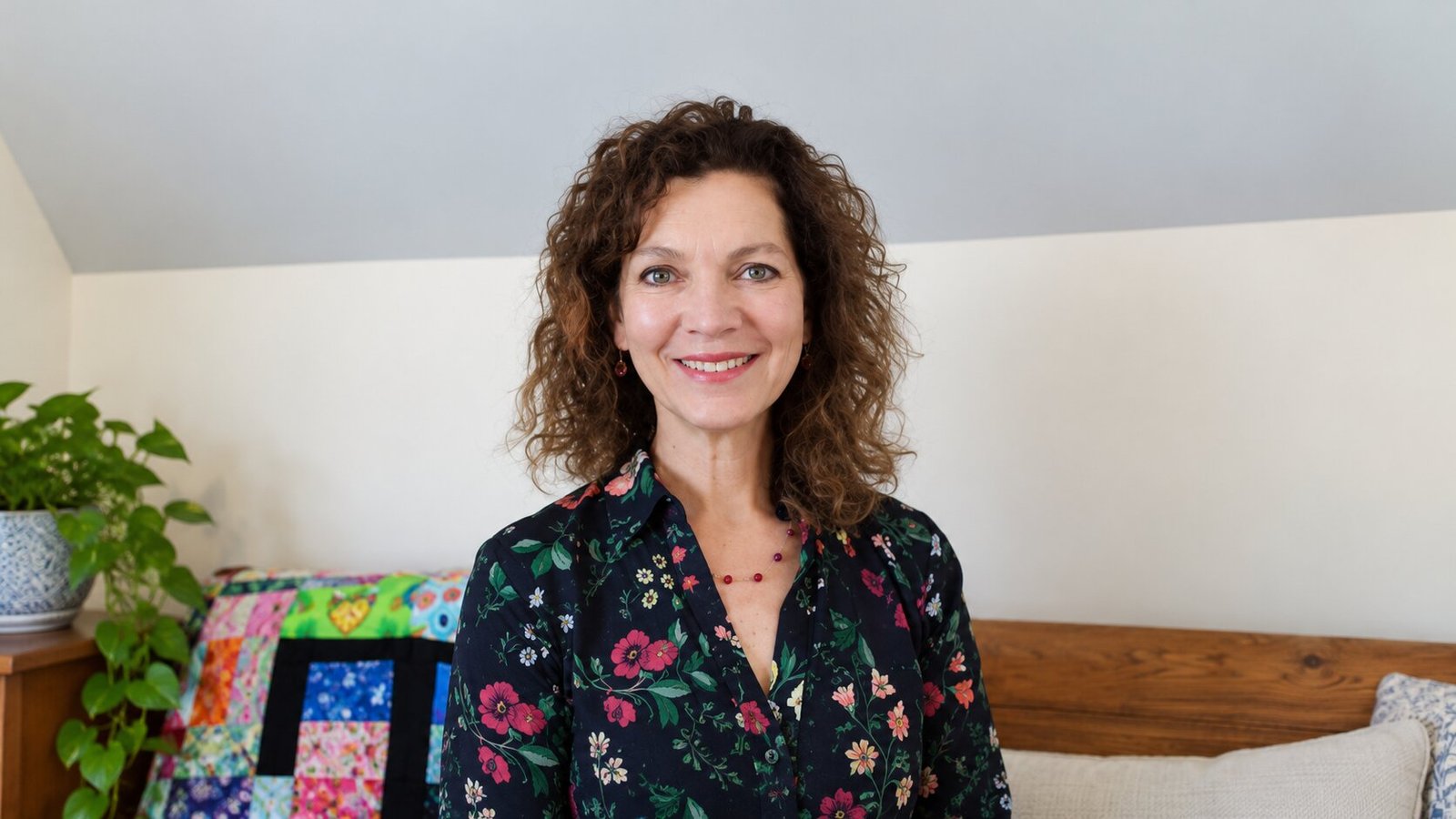
Have you ever come across someone who has spent almost three decades working with the same organization? Today, I want to talk about Donna Sicuranza, the Executive Director of Tait’s Every Animal Matters in Westbrook, Connecticut.
What I find interesting about Donna is that she did not start her career in animal welfare. She began as a freelance writer, editor, and public relations specialist. Later, in 1997, she moved into a leadership role at Tait’s Every Animal Matters. So, how did her career begin, where did she study, and what do we know about her life today? Let’s take a closer look.
Who Is Donna Sicuranza?
First, let’s get to know Donna Sicuranza. She is a professional based in Westbrook, Connecticut, and has served as the Executive Director of Tait’s Every Animal Matters since March 1997.
Now, that is a long time. As of October 2026, Donna has been with the organization for more than 29 years. Before joining it, she worked in writing, editing, and public relations for almost 15 years.
What stands out to me is her career path. She spent her early working years in communication and later moved into nonprofit leadership. Both parts of her career are worth exploring.
What Do We Know About Her Early Life?
When I started looking into Donna’s background, one of the first things I wanted to know was where she grew up. Unfortunately, her public professional profile does not share her birthplace, date of birth, or details about her parents.
However, we do know that Connecticut has been an important part of her education and career. She studied at two colleges in the state and later worked in Westbrook.
Her academic background is also quite clear. Donna studied English language and literature, a subject that would become a major part of her early career.
Where Did Donna Sicuranza Study?
Let’s talk about her education because this is where her professional story starts to take shape.
Donna attended Fairfield University from 1978 to 1982. She earned her bachelor’s degree in English language and literature. After graduating, she began working as a freelancer in January 1983.
But her education did not stop there. In 1989, Donna enrolled at Trinity College in Hartford. She continued studying English language and literature and completed her master’s degree in 1992.
Here is something I found interesting. She was already working as a freelancer while studying for her master’s degree. Her education and professional career were moving forward at the same time.
How Did Donna Sicuranza Start Her Career?
Now, let’s go back to January 1983. This was when Donna began her freelance career in Connecticut and New York.
She worked as a writer, editor, and public relations specialist. These three roles were closely linked to communication. Writing involved creating content, editing meant improving written work, and public relations focused on sharing messages with the public.
Donna continued this work until October 1997. That is 14 years and 10 months.
I wanted to find out which publications or companies she worked with during that period. However, her professional profile does not name any specific clients or projects. What we can confirm is that writing and communication were a major part of her early career.
What Was Her Experience in Public Relations?
You might be wondering what Donna actually did as a public relations specialist.
Public relations is all about communication. People in this field often prepare statements, write messages, and help organizations communicate with their audiences.
Donna’s professional profile confirms that public relations was one of her freelance roles. She worked in this field between January 1983 and October 1997.
Her English degrees also fit well with this type of work. However, we do not have confirmed details about the campaigns she managed or the organizations she represented.
When Did Donna Join Tait’s Every Animal Matters?
Here is where Donna’s career takes a different turn.
In March 1997, she became the Executive Director of Tait’s Every Animal Matters in Westbrook, Connecticut. Before this, her work had mainly focused on writing, editing, and public relations.
One detail caught my attention while reviewing her career timeline. Donna started working at Tait’s Every Animal Matters in March 1997, but her freelance career did not end until October 1997.
That means the two roles overlapped for several months. After that, her listed professional career centered on her position at Tait’s Every Animal Matters.
What Does Donna Sicuranza Do at Tait’s Every Animal Matters?
Let’s talk about her current position.
Donna serves as the Executive Director of Tait’s Every Animal Matters. This is a senior leadership role within the organization.
In general, an executive director helps manage an organization’s plans, daily work, and overall direction. The exact duties can vary from one organization to another.
Now, I want to be careful here. Donna’s professional profile confirms her job title, but it does not give a full account of her daily duties. So, I cannot say exactly which programs she manages or how many people work under her.
What we do know is that she has held this leadership position since March 1997.
How Long Has Donna Worked With the Organization?
This is probably one of the most notable parts of Donna Sicuranza’s career.
She joined Tait’s Every Animal Matters in March 1997. As of October 2026, she has been with the organization for more than 29 years.
Think about that for a moment. Her time at the organization is almost twice as long as her earlier freelance career.
Her professional history shows that she has remained in the same listed executive director role throughout this period. However, it does not provide a full timeline of the organization’s projects or results.
What Makes Donna Sicuranza’s Career Different?
When I look at Donna’s work history, I see two clear stages.
The first stage began in 1983. She worked as a freelance writer, editor, and public relations specialist. This continued for almost 15 years.
The second stage began in March 1997, when she joined Tait’s Every Animal Matters as Executive Director.
What makes her career interesting to me is the shift from communication to leadership. Her education was in English, and her first jobs were tied to that subject. Later, she took on a different kind of professional role.
Her listed career now covers more than 43 years, including the months when her two positions overlapped.
Is Donna Sicuranza Married?
Now, let’s move away from work for a moment. You may be curious about Donna’s personal life.
Is she married? Does she have children? What do we know about her family?
I looked through the professional details provided, but they do not confirm her marital status, husband, or children. So, I do not want to make claims about her family without reliable evidence.
The same goes for her age. We know she attended Fairfield University between 1978 and 1982, but her exact date of birth has not been confirmed.
Where Is Donna Sicuranza Today?
So, what is Donna Sicuranza doing now?
As of October 2026, her professional profile still lists her as the Executive Director of Tait’s Every Animal Matters in Westbrook, Connecticut.
She has held this position since 1997. Her earlier work included writing, editing, and public relations in Connecticut and New York.
From the career details we have, Donna has spent decades in professional roles that involve communication and leadership. Her two English degrees and long employment history are the clearest documented parts of her background.
Final Thoughts on Donna Sicuranza
And that brings us to the end of Donna Sicuranza’s story, at least the part we can confirm from her professional background.
What I find most interesting is how her career changed over time. She began working as a freelancer in 1983, earned her master’s degree in 1992, and became Executive Director of Tait’s Every Animal Matters in 1997.
Today, she has more than 43 years of listed professional experience. Nearly three decades of that time have been spent at Tait’s Every Animal Matters.
There are still things we do not know about Donna, especially her early life and family. But her education and career timeline tell us quite a bit about her professional journey.
Note: This article uses a conversational, podcast-style narration. It is based on the professional information provided and does not claim that Donna Sicuranza took part in a real interview.
THE NEWS LENS

The Litium AB Headquarters sits in Stockholm, Sweden, where the company manages its cloud commerce platform, product development, customer support, and corporate operations. From this office, Litium helps businesses build modern online stores, manage product data, and create digital shopping experiences. As one of Sweden’s established commerce technology companies, Litium has grown from a Nordic software provider into a business that serves customers through partners across many global markets.
Where Is the Litium AB Headquarters?
The Litium AB Headquarters is located at:
Hammarbybacken 27
120 30 Stockholm
Sweden
This Stockholm office serves as the company’s main corporate location. It houses executive leadership, software engineering, product teams, customer success, sales, and other business functions. Important company decisions, product planning, and strategic projects are coordinated from this headquarters.
Stockholm is one of Europe’s strongest technology centers. Many software firms, startups, and international technology companies operate in the city. That makes it a practical location for hiring skilled developers, designers, and business professionals.
The headquarters also acts as the primary contact point for investors, business partners, and enterprise customers.
A Brief History of Litium AB
Litium AB began in 1998 during the rapid growth of internet commerce. The founders recognized that businesses would need better software to sell products online and manage digital operations.
The company started by developing e-commerce solutions for Swedish businesses. As online shopping became more common, Litium expanded its software capabilities. New features allowed businesses to handle larger product catalogs, create personalized shopping experiences, and manage digital content more efficiently.
Over the years, Litium shifted toward cloud technology. This move helped customers receive regular updates without maintaining complex on-site software installations.
Today, Litium serves organizations throughout Scandinavia and supports international commerce through an expanding network of implementation partners.
Why Stockholm Was Chosen
Stockholm offers several advantages for a technology company like Litium.
The city has a highly educated workforce with strong engineering and software development skills. Universities produce graduates who specialize in computer science, digital business, and information technology.
Sweden also invests heavily in digital infrastructure. Reliable internet, modern business facilities, and strong government support for innovation create an environment where software companies can grow.
Stockholm has earned a reputation as one of Europe’s leading startup ecosystems. Global companies such as Spotify, Klarna, and King have strengthened the city’s position as a technology hub.
Being based in Stockholm allows Litium to attract experienced professionals while remaining close to many of its Nordic customers.
What Happens Inside the Headquarters?
The Litium AB Headquarters is much more than an office building. It serves as the operational center for nearly every major business activity.
Software engineers design and improve the company’s commerce platform. Product managers collect customer feedback and prioritize future updates. Designers work on user interfaces that make the software easier to use.
Sales teams communicate with enterprise customers across different industries. Customer success specialists help businesses adopt new features and improve their online stores.
Marketing teams create educational content, webinars, and product campaigns. Finance and legal departments oversee company operations and regulatory compliance.
Executive leadership also works from the Stockholm office, where long-term planning and corporate strategy take place.
Litium Commerce Cloud
The company’s flagship product is Litium Commerce Cloud.
Instead of offering separate software tools, Litium combines multiple business functions into one cloud platform.
The platform includes:
E-commerce Platform
Businesses can build online stores for both business-to-business (B2B) and business-to-consumer (B2C) sales.
The system handles product listings, shopping carts, pricing, customer accounts, and checkout processes.
Product Information Management
Product Information Management, often called PIM, helps businesses organize product data.
Companies can store descriptions, technical specifications, images, pricing, and translations in one location. This reduces errors while keeping information consistent across sales channels.
Content Management System
The built-in CMS allows companies to publish pages, landing pages, blogs, and promotional campaigns.
Marketing teams can update website content without depending heavily on developers.
Headless Commerce
Litium also supports headless architecture.
In this model, the customer-facing website operates independently from the commerce engine. Developers gain greater flexibility when building custom digital experiences across websites, mobile apps, kiosks, and other platforms.
Industries Litium Serves
The software developed at the Litium AB Headquarters supports many industries.
Retail companies use the platform to manage large online stores.
Wholesale businesses rely on Litium for B2B ordering systems.
Manufacturers build customer portals that simplify direct sales.
Direct-to-consumer brands manage product launches and marketing campaigns.
Traditional online retailers also use Litium to improve shopping experiences and increase operational efficiency.
The platform is designed to handle both simple and highly customized commerce environments.
Customers and Business Reach
Although Litium is headquartered in Sweden, its software supports businesses in multiple countries.
Many customers operate across Europe and international markets.
Well-known organizations that have used Litium include:
- Lindex
- Tingstad
- Jollyroom
These companies process significant volumes of online transactions using Litium’s commerce platform.
Rather than opening offices in every country, Litium works with certified implementation partners. These partners help businesses install, customize, and maintain the software according to local requirements.
This partner-first model allows the company to expand internationally while keeping operations efficient.
Litium on the Stock Market
Litium is a publicly traded Swedish company.
Its shares trade on the Nasdaq First North Growth Market under the stock ticker LITI.
Public listing provides several advantages.
It gives investors an opportunity to participate in the company’s growth.
It also increases transparency because listed companies publish financial reports, corporate announcements, and governance information on a regular schedule.
Being publicly traded encourages strong financial management and accountability.
The headquarters manages investor relations, financial reporting, and communications with shareholders.
The Role of Innovation
Innovation remains one of the company’s biggest priorities.
Teams at the Litium AB Headquarters regularly introduce new features based on changing customer needs and technology trends.
Modern commerce platforms must support mobile shopping, personalized recommendations, digital marketing automation, and integrations with many external systems.
Cloud architecture allows Litium to release updates more frequently than traditional software.
Artificial intelligence is also becoming more important in digital commerce. Businesses increasingly expect automation for search, product recommendations, customer support, and content generation.
The company continues adapting its platform to meet these expectations while maintaining strong security and performance.
The Jönköping Office
Besides Stockholm, Litium also operates an office in Jönköping, Sweden.
The office is located at:
Västra Storgatan 5
553 15 Jönköping
Sweden
This location supports company operations and provides additional workspace for employees.
Having more than one office helps distribute teams while maintaining close collaboration across departments.
The Stockholm headquarters remains the company’s primary corporate location, while the Jönköping office contributes to software development and business support.
Company Culture
Technology companies compete for talented employees.
Litium emphasizes teamwork, learning, and continuous improvement.
Employees work across departments rather than in isolated teams. Developers, designers, marketers, and customer specialists often collaborate on projects from the early planning stage.
The company encourages experimentation while focusing on practical business results.
Because commerce technology changes quickly, employees regularly update their skills through training, conferences, and internal knowledge sharing.
This learning culture helps the company stay competitive in a rapidly evolving market.
Why the Headquarters Matters
Every successful software company needs a strong operational center.
The Litium AB Headquarters serves that purpose by bringing together leadership, engineering, customer support, finance, marketing, and product management under one organization.
From Stockholm, the company develops software used by businesses that sell millions of products online.
The headquarters also represents Litium’s long-term commitment to innovation in digital commerce.
As e-commerce continues expanding worldwide, companies need reliable platforms that support multiple sales channels, personalized shopping experiences, and efficient product management.
Litium continues building solutions that address those challenges while maintaining its roots in Sweden’s technology sector.
The Future of Litium AB Headquarters
The digital commerce market continues to evolve at a rapid pace.
Businesses now expect cloud-native software that scales easily, integrates with many business systems, and supports international expansion. Customer expectations also continue rising as shoppers demand faster websites, better product information, and seamless purchasing across devices.
The Litium AB Headquarters will likely remain the center of these developments. Product teams are expected to continue improving cloud capabilities, expanding integration options, and adding features that help businesses manage increasingly complex commerce operations.
Stockholm provides access to technical talent, research, and a strong innovation ecosystem. Those advantages position the headquarters to support Litium’s future growth while serving customers across the Nordic region and beyond.
Conclusion
The Litium AB Headquarters is more than a corporate address in Stockholm. It is the center of a Swedish software company that has spent more than two decades helping businesses succeed in digital commerce.
From its headquarters, Litium develops cloud-based commerce technology, supports enterprise customers, manages investor relations, and drives product innovation. Its Commerce Cloud platform combines e-commerce, product information management, content management, and headless architecture into one solution for modern businesses.
With additional operations in Jönköping, a growing partner network, and customers

Nate Bargatze net worth is estimated at $40 million in 2026, although this figure is not officially confirmed. The American stand-up comedian has built his wealth through live comedy tours, Netflix specials, television appearances, and business ventures. His clean comedy style has helped him reach millions of fans without using harsh language or offensive jokes.
What I find most interesting about Nate Bargatze is how he turned everyday family stories into a highly successful career. He went from performing in small comedy clubs to selling out major arenas across the United States. His Be Funny tour alone reportedly earned around $90 million in ticket sales.
In this article, I’ll explain Nate Bargatze’s net worth, annual earnings, comedy tours, Netflix deals, businesses, and the main sources behind his growing fortune.
Nate Bargatze Net Worth in 2026
Nate Bargatze’s net worth is estimated to be $40 million in 2026. According to reports from Parade and HELLO!, his success in stand-up comedy has made him one of the highest-earning comedians in the industry. However, his personal financial records are not public, so the exact amount remains unverified.
I believe his financial success is closely tied to his ability to attract large audiences. Unlike many comedians who rely heavily on movies and television, Bargatze earns a major share of his income from live performances. His shows often sell thousands of tickets in a single night.
His wealth also comes from streaming specials, merchandise, production work, and his entertainment company. These income sources have helped him build a business that goes beyond performing comedy on stage.
Nate Bargatze Quick Bio
| Detail | Information |
|---|---|
| Full name | Nathanael Bargatze |
| Popular name | Nate Bargatze |
| Date of birth | March 25, 1979 |
| Age in 2026 | 47 years |
| Birthplace | Nashville, Tennessee, USA |
| Nationality | American |
| Profession | Stand-up comedian, producer, podcaster |
| Estimated net worth | $40 million (unverified) |
| Main income source | Live comedy tours |
| Famous tour | Be Funny Tour |
| Entertainment company | Nateland Entertainment |
| Podcast | Nateland Podcast |
| Wife | Laura Bargatze |
| Children | One daughter |
| Known for | Clean, family-friendly comedy |
How Nate Bargatze Makes His Money
When I look at Nate Bargatze’s income, I see several ways he earns money. His biggest source is live stand-up comedy. Thousands of fans attend his shows, and major tours can bring in millions of dollars through ticket sales.
He also earns money from comedy specials released on streaming platforms. Netflix has helped introduce his work to audiences outside the United States. Television appearances have increased his popularity and created more business opportunities.
Another part of his income comes from merchandise, podcasts, and entertainment production. By building his own company, Bargatze has gained more control over the content he creates and the projects he develops.
Nate Bargatze’s Be Funny Tour Earnings

The Be Funny tour played a major role in Nate Bargatze’s financial success. According to reports, the tour generated roughly $90 million in gross ticket revenue. It included around 148 arena performances and sold more than 1.1 million tickets.
Reported gross revenue
$90M
Tickets sold
1.1M+
Reported shows
148
Average gross per show
~$608K

Approximate figures based on reported tour totals. Gross revenue is not personal profit.
What stands out to me is the size of his audience. Selling more than a million tickets is a major achievement for a stand-up comedian. It also shows how much demand exists for his simple and family-friendly humor.
However, the full $90 million did not go directly into Bargatze’s bank account. Tour expenses include venue costs, staff, transportation, equipment, promotion, and other payments. His actual personal earnings from the tour have not been publicly confirmed.
Nate Bargatze’s Merchandise Earnings
Nate Bargatze also makes money by selling merchandise during his comedy tours. Fans can purchase items such as shirts, hats, and other products connected to his comedy brand. These sales create another source of income beyond ticket revenue.
According to a widely circulated estimate, his tour merchandise may have generated between $11 million and $33 million. I would treat this range carefully because it is not supported by publicly verified merchandise sales records.
Merchandise revenue is also different from profit. The company must pay for production, shipping, workers, and sales costs. Even so, selling branded products can be a useful way for popular comedians to increase their earnings.
How Much Does Nate Bargatze Make Per Show?
Nate Bargatze’s earnings per show depend on ticket prices, venue size, and production expenses. Based on the reported $90 million gross from 148 performances, his Be Funny tour averaged approximately $608,000 in ticket revenue per show.
I want to make an important distinction here. This average represents revenue collected from ticket sales, not the amount Bargatze personally received. His actual payment would depend on contracts and costs that have not been publicly disclosed.
Some performances may earn much more than others. Large arenas can sell more tickets, while smaller venues bring in less revenue. This makes it difficult to give one fixed amount for his personal earnings per performance.
Nate Bargatze’s Netflix Deals and Comedy Specials

Netflix has been an important part of Nate Bargatze’s career. His specials include The Tennessee Kid (2019), The Greatest Average American (2021), and Your Friend, Nate Bargatze (2024). These releases helped his comedy reach a much larger audience.
I think his Netflix success is important because streaming gives comedians exposure beyond live shows. People can discover his comedy at home and later decide to purchase tickets for a live performance.
The exact amounts Netflix paid Bargatze for these specials have not been publicly confirmed. Reports suggest that streaming deals contribute to his wealth, but there is not enough verified information to calculate his total Netflix earnings.
Nate Bargatze’s Saturday Night Live Appearances

Nate Bargatze gained wider attention through his appearances on Saturday Night Live. He hosted the show in October 2023 and returned in October 2024. His performances introduced his comedy to many television viewers.
One of his best-known sketches featured him playing George Washington. The humor focused on the confusing rules of American measurements and language. I find this a good example of his ability to make ordinary subjects funny.
His exact payments for hosting Saturday Night Live have not been publicly disclosed. However, appearing on a major television show can help comedians reach new fans and increase demand for their live performances.
Nate Bargatze’s Nateland Entertainment Company
Nateland Entertainment is another important part of Nate Bargatze’s business. He created the company to develop and produce entertainment that fits his family-friendly comedy style. Its work includes comedy projects and other forms of media.
What interests me about Nateland Entertainment is that it allows Bargatze to work behind the scenes. Instead of only earning money as a performer, he can take part in producing and developing projects.
The company’s total value and annual revenue are not publicly confirmed. Therefore, I cannot say exactly how much it contributes to Nate Bargatze’s net worth. Still, it gives him another way to expand his career beyond stand-up comedy.
Nate Bargatze’s Podcast Income
Nate Bargatze hosts the Nateland Podcast, where he talks with fellow comedians about everyday topics, personal stories, and unusual facts. The show follows the same relaxed comedy style that fans enjoy during his live performances.
Podcasts can earn money through advertising, sponsorships, and video views. I see the podcast as another way Bargatze can connect with his audience between comedy tours.
However, his exact podcast income has not been released publicly. There are no verified figures showing how much he earns each month or year from the show. Any specific amount should therefore be treated as an estimate.
Nate Bargatze’s Television and Production Earnings
Beyond Netflix and stand-up comedy, Nate Bargatze has worked on television productions. One notable project is Nate Bargatze’s Nashville Christmas, a holiday variety special that aired on CBS in 2024.
His work as a producer gives him a different role in entertainment. Producers help develop programs, organize projects, and manage parts of the creative process. Depending on their agreements, they may also receive payments connected to a production.
I cannot confirm how much Bargatze earned from his CBS projects. The financial details of these deals have not been made public. However, television production adds another possible source of income to his comedy business.
Nate Bargatze’s Theme Park Plans in Nashville
Nate Bargatze has also discussed plans for a family-focused entertainment attraction in Nashville. The idea connects with his interest in creating comedy and entertainment that people of different ages can enjoy.
I find this plan interesting because it could take his business into an entirely different industry. A theme park or family attraction would involve property, construction, staff, maintenance, and ticket sales.
However, plans should not be confused with completed investments. The project’s final cost, ownership structure, opening date, and future earnings have not been fully confirmed. I would not include any expected theme park profits in his current net worth.
Nate Bargatze’s Early Career and Financial Growth
Nate Bargatze was born on March 25, 1979, in Nashville, Tennessee. His father, Stephen Bargatze, worked as a magician and motivational speaker. Growing up around entertainment helped shape Nate’s interest in performing.
He began building his stand-up career in the early 2000s. Like many comedians, he spent years performing in clubs and working to improve his material. His comedy often focused on family life, marriage, childhood, and everyday problems.
What I find impressive is that his success developed over many years. His later Netflix specials, television appearances, and arena tours came after a long period of live performances. That experience helped him build the audience he has today.
Nate Bargatze’s Wife and Family Life
Nate Bargatze is married to Laura Bargatze. The couple married in 2006 and have one daughter, Harper. His wife and daughter often appear as subjects in his comedy stories.
I enjoy how Bargatze uses simple family situations to create humor. He talks about marriage, parenting, and everyday misunderstandings in ways that many people can understand. This approach has become a major part of his public image.
His family also plays a role in his professional life. Laura has been involved in the Nateland Podcast and his entertainment business. However, the couple’s private financial arrangements have not been publicly disclosed.
Nate Bargatze’s House and Lifestyle
Nate Bargatze has strong ties to Tennessee, especially the Nashville area. His career has brought him major financial success, but he is not mainly known for showing expensive cars, jewelry, or luxury purchases.
I have not found enough verified information to give an exact value for his current home or real estate holdings. Online claims about celebrity properties can be difficult to confirm without reliable property records.
His lifestyle is often discussed because his comedy presents him as an ordinary husband and father. However, that public image does not tell us the full details of his personal spending, savings, or investments.
Nate Bargatze Net Worth Compared to Other Comedians
Nate Bargatze has become one of the most successful touring comedians of his generation. His reported $90 million tour gross shows that he can compete with major names in live comedy.
Comedians such as Kevin Hart, Dave Chappelle, and Matt Rife also earn money through tours, streaming deals, and entertainment projects. However, their reported net worth figures can vary widely depending on the source.
I believe tour revenue is a more useful comparison than celebrity net worth estimates alone. Ticket sales can be measured, while personal wealth depends on private information such as investments, debts, taxes, and business ownership.
Will Nate Bargatze’s Net Worth Increase?
Nate Bargatze’s estimated $40 million fortune could grow if his comedy tours and entertainment projects continue to perform well. Live shows remain one of his strongest business opportunities.
His company, podcast, streaming work, and television projects may also create more income in the coming years. I think having several income sources gives him more options than relying on one type of comedy performance.
Still, future financial growth is not guaranteed. Production costs, business investments, taxes, and audience demand can all affect his wealth. Without verified financial statements, any prediction about his future net worth would be speculative.
Final Thoughts
Nate Bargatze net worth is estimated at $40 million in 2026, but the amount remains unverified. His biggest reported financial success comes from live stand-up comedy, especially the Be Funny tour, which generated approximately $90 million in gross ticket revenue.
From my view, the most interesting part of his success is how he built a major entertainment career using simple, clean comedy. Netflix specials, television appearances, merchandise, podcasts, and Nateland Entertainment have helped him expand beyond live performances.
His career shows that comedians can build large businesses around their work. While his exact personal wealth is unknown, his ticket sales and growing entertainment projects make him a major name in modern stand-up comedy.
FAQs About Nate Bargatze Net Worth
What is Nate Bargatze’s net worth in 2026?
Nate Bargatze’s net worth is estimated at $40 million in 2026, although the figure is not officially verified.
How much money did Nate Bargatze make from his Be Funny tour?
His Be Funny tour reportedly grossed around $90 million in ticket sales, before expenses.
How much does Nate Bargatze earn per show?
His Be Funny tour averaged about $608,000 in gross ticket revenue per show, but his personal earnings are unknown.
Does Nate Bargatze own an entertainment company?
Yes, Nate Bargatze founded Nateland Entertainment, which develops comedy and family-friendly entertainment projects.
How does Nate Bargatze make most of his money?
His main reported income source is live comedy touring, along with streaming specials, merchandise, television, and production work.
Read more: Alix Earle Net Worth in 2026: Explore Her TikTok Earnings, Business, and Lifestyle

Delta Fitness Authority: Gym Equipment, Services, and Fitness Solutions

Acamento: Meaning, Uses, Techniques, Benefits, and Finishing Guide

Pabington: Meaning, Origins, Online Trends, and Creative Uses

Who Is Preetha Nooyi? How Is Indra Nooyi’s Daughter Building Her Own Quiet Path in Business?

Freda Morris Biography: The Private Life of Garrett Morris’s Wife

Arrow Eve Reynolds: The Oldest Daughter of Imagine Dragons Frontman Dan Reynolds and Musician Aja Volkman
-
 Celebrity4 months ago
Who Is Preetha Nooyi? How Is Indra Nooyi’s Daughter Building Her Own Quiet Path in Business?
-
 Celebrity2 months ago
Freda Morris Biography: The Private Life of Garrett Morris’s Wife
-
 News1 month ago
Arrow Eve Reynolds: The Oldest Daughter of Imagine Dragons Frontman Dan Reynolds and Musician Aja Volkman
-

 Entertainment4 months ago
Who Is Charlie McKittrick? All About Ana Gasteyer’s Husband and His Life
-

 Business4 months ago
Who Is Vaughn Rasberry? All About Tatyana Ali’s Husband, Stanford Career, Family, and Net Worth
-

 Celebrity4 months ago
Who is Brock Peters’ First Wife? All You Need To Know About Dolores Daniels
-

 Celebrity2 months ago
Arielle Zuckerberg: Meet Mark Zuckerberg’s Youngest Sister, Building Her Own Tech Legacy
-

 Celebrity4 months ago
The Untold Story of Elgin Charles Williams: From Beverly Hills Hair Empire to Jackée Harry’s Ex-Husband