
Blog
CDiphone: The Viral Concept That Mixes CDs With Modern iPhone Technology


CDiphone is a creative concept that blends two very different eras of technology. It combines the look and feel of the classic compact disc with the sleek form of a modern Apple iPhone. The idea has gained attention because it turns a familiar piece of music history into something that looks like a future phone.
The design is best understood as a piece of AI-generated concept art. It is not an official Apple product. Apple has not announced an iPhone with a built-in CD player. Instead, the concept shows what such a device might look like if old physical media returned in a new form.
This unusual mix has helped the idea spread online. People who remember CDs often feel nostalgia when they see it. Younger users may find the design strange, creative, or even futuristic. This article explains what the concept means, why it became popular, how it could work in theory, and what it tells us about modern technology and retro design.
What Is CDiphone?
CDiphone is a digital concept that imagines an iPhone-style smartphone with support for physical compact discs. The design usually places a round CD area on or inside a modern phone body.
The basic idea is simple. A user could place or insert a compact disc into the device. The phone would then read music or other digital information stored on that disc. At the same time, the device would still offer the normal tools expected from a smartphone.
However, the concept should not be confused with a real commercial device. It does not represent an announced Apple product. It is better viewed as creative technology art that asks an interesting question: what would happen if smartphones and CDs had developed together?
That question gives the idea much of its charm. Smartphones represent fast, wireless, digital access. CDs represent physical ownership and an older way of enjoying media.
By combining them, the design creates an object that feels both old and new.
Why the Concept Became Popular
The idea became interesting because it looks unexpected. Modern phones have moved away from physical media. Most people now stream music rather than carrying discs.
Seeing a CD placed inside a modern smartphone changes that normal pattern. The result catches the eye at once.
Nostalgia also plays a large role. For many people, CDs bring back memories of buying albums, opening cases, reading booklets, and listening to tracks in a set order. Those habits feel very different from opening a streaming app.
The concept turns those old memories into a modern visual. It lets people imagine carrying their physical music collection into the smartphone age.
There is also a simple social media factor. Strange technology concepts often spread because people can understand them in seconds. A viewer does not need a long explanation. The image itself tells the story.
A phone with a compact disc attached to it looks unusual enough to make people stop, look again, and share it.
The Role of AI-Generated Design
Modern generative AI tools can create realistic images from short written prompts. A designer can describe a smartphone with a CD mechanism, and an AI system can produce several visual ideas.
This makes experimental design much faster.
In the past, producing a polished concept image often required advanced 3D software. Artists had to model the object, create materials, adjust lighting, and render every scene. That process could take many hours.
AI can now produce a rough visual idea much faster. It allows creators to test unusual combinations without building a physical model.
CDiphone fits well into this new design culture. It does not need to exist as working hardware to become interesting. The visual itself can start a discussion.
Still, AI-generated images have limits. They may show parts that could not work in real life. A disc may appear too large, too thin, or placed where important phone parts would normally sit.
So these images should be treated as conceptual illustrations, not engineering plans.
Why CDs Still Have Emotional Value
Compact discs may seem old beside smartphones, yet they still have emotional value for many people.
A CD is a physical object. You can hold it, collect it, display it, and give it to another person. That physical connection creates a different experience from streaming.
Albums on CD also came with cover art, booklets, track lists, and printed notes. Fans often connected those items with the music itself.
Digital streaming changed that experience. It made music much easier to access. Millions of tracks can now fit behind one screen. Yet convenience also removed much of the physical side of music ownership.
This is one reason retro formats keep returning in popular culture. People do not always want older technology because it works better. They may want it because it feels more personal.
CDiphone uses that emotional connection. It places a familiar physical object inside a device that represents modern digital life.
How a CD-Based Smartphone Could Work
If someone built a real phone with CD support, the engineering would be difficult.
A normal compact disc has a diameter of about 12 centimeters. That size is close to the width or height of many smartphones. A full disc reader would therefore use a large amount of internal space.
The device would also need a laser system. Traditional CD players use an optical pickup to read data from the disc while it spins.
That means the phone would need moving parts. Modern smartphones usually avoid large moving systems because they take space and can break more easily.
A theoretical design might use a protected disc chamber. The user could place the CD inside a section of the phone. A small motor could rotate the disc while a laser reads the information.
The software could then display the album and tracks through the phone interface.
It sounds simple in theory. In practice, fitting the motor, laser, battery, cameras, processors, antennas, speakers, and screen into one thin device would be a major challenge.
The Biggest Design Challenge
Size would be one of the largest problems.
Modern smartphones are designed around compact internal parts. Companies use almost every small space inside the case. Batteries, cameras, processors, storage chips, sensors, and wireless hardware all compete for room.
A compact disc reader would need much more space than most phone parts.
Thickness would also become an issue. Consumers have become used to thin smartphones. A motorized disc system could make the phone much thicker.
The design would also need protection from dust and movement. A spinning disc needs a stable area. A phone, however, is often moved while being used.
Imagine listening to a CD while walking. The system would need to stop vibration from affecting playback.
There could also be durability concerns. Dropping a normal smartphone is already risky. Adding a mechanical disc reader could create even more parts that might become damaged.
These limits show why the idea works better as a creative concept than as a normal modern phone.
Physical Media Versus Streaming
The concept also highlights the major change from physical media to streaming.
In the CD era, people usually bought an album. Once they owned the disc, they could play it whenever they wanted on compatible equipment.
Streaming uses a different model. Users gain access to large online libraries. They normally do not own each song as a physical item.
Both systems offer benefits.
Streaming gives users speed and choice. People can search for almost any song and start listening within seconds. They do not need shelves filled with cases.
Physical media gives people a stronger sense of ownership. A disc remains usable as long as the owner has compatible hardware and the disc stays in good condition.
CDiphone sits between those two models. It imagines a smartphone that offers digital tools while keeping a place for physical music.
That contrast may be more important than the device itself.

JWRE is a name that can lead to some confusion online. It appears in real estate searches tied to both Alabama and North Carolina. Yet these results do not point to one single real estate company with branches in both states. The initials have been used by separate real estate operations linked to different professionals.
In Alabama, JWRE has been associated with Jason Will and Jason Will Real Estate. Will founded the brokerage in 2014 with a plan to grow across the state. Its market reach included Fairhope, the Alabama Gulf Coast, Birmingham, Hoover, Huntsville, and nearby communities.
In North Carolina, JWRE refers to Jason Walters Real Estate. Jason Walters leads a team that serves parts of Eastern North Carolina and the Triangle area. Its service territory includes Wilson, Rocky Mount, Nash County, Zebulon, Wendell, Knightdale, Raleigh, and other nearby places. This guide explains both uses of the JWRE name, their histories, services, markets, and key differences.
What Is JWRE?
JWRE is an abbreviation used by real estate businesses in more than one state. The Alabama version is linked with Jason Will. The North Carolina version is linked with Jason Walters Real Estate.
The Alabama business grew from Jason Will’s work as a real estate broker. Public professional profiles say he founded JWRE in 2014. His stated goal was to build a large and successful Alabama brokerage. The business focused on service, marketing, advocacy, and the growth of its agents.
The North Carolina business uses JWRE as a shortened form of Jason Walters Real Estate. It operates under eXp Realty. The team works with home buyers, sellers, investors, land clients, and people moving into the region. Its public listings show a broad service area across eastern and central parts of the state.
The Alabama JWRE Story
Jason Will built the Alabama JWRE brand around real estate sales and agent development. Public profiles connect the business with Fairhope and several Alabama markets.
A 2022 real estate industry profile described Jason Will as a leader at JWRE, powered by JPAR Impact. At that time, the business reported four offices and 84 agents. Its listed service area included Fairhope, Gulf Shores, Birmingham, Hoover, and Huntsville. The company was therefore active across both coastal and inland Alabama markets.
The business history also reflects changes in branding and brokerage relationships. Current public profiles identify Jason Will with BluePrint Realty Company rather than presenting JWRE as his main current brokerage name. This means older JWRE pages can still appear in searches even though Will’s present professional branding has moved forward.
Who Is Jason Will?
Jason Will is an Alabama real estate professional with more than two decades of industry experience shown on current property platforms. He has worked with buyers, sellers, investors, and real estate agents.
Will’s public professional biography says he founded JWRE in 2014. He wanted to create a strong statewide brokerage rather than focus on one city. The company expanded its work across Baldwin County, Birmingham, and other Alabama markets. That approach helped connect the brand with both Gulf Coast and metro real estate.
Current listings identify Will as the lead of a BluePrint Realty Company team. His active service areas include Fairhope, Daphne, Foley, Gulf Shores, Orange Beach, Birmingham, Hoover, and other Alabama communities.
JWRE in Fairhope and the Alabama Gulf Coast
Fairhope played a major role in the Alabama side of JWRE. Older business listings place Jason Will Real Estate in Fairhope and connect JWRE with buyers and sellers across coastal Alabama. The BBB business profile also records Jason Will Real Estate in Fairhope.
Real estate profiles for the former JWRE brand list Fairhope, Daphne, Foley, Gulf Shores, Orange Beach, Robertsdale, and Silverhill among its service areas. These markets include primary homes, vacation properties, condos, land, and investment opportunities.
The Gulf Coast focus also fit Jason Will’s wider approach to property marketing. His professional material has often stressed creative marketing and seller representation. For a coastal brokerage, strong presentation can matter because many buyers search from outside the immediate area. Online listing quality, local knowledge, and clear communication can all shape a client’s experience.
JWRE and the Birmingham Market
JWRE also developed a presence in the Birmingham area. Birmingham and its suburbs offer established neighborhoods, new communities, commuter areas, investment properties, and a wide range of home prices.
Industry profiles connected JWRE with Birmingham, Hoover, and nearby locations. Jason Will’s current professional profiles still list Birmingham and several surrounding Alabama communities among his service areas. This suggests that his work in central Alabama continued even as the brokerage branding changed.
For buyers, local knowledge can help narrow a search based on commute, home style, school preferences, lot size, and budget. For sellers, market positioning can affect showing activity and offers. JWRE’s Alabama history placed strong attention on marketing, client advocacy, and agent training, all of which relate directly to those needs.
Real Estate Services Linked to Alabama JWRE
The Alabama JWRE operation focused mainly on residential real estate sales. Public profiles describe residential sales as a specialization. Its agents worked in cities and communities that included both urban and coastal markets. This allowed the brokerage to support buyers and sellers with very different property goals.
Buyer representation normally includes helping clients search for homes, review property details, prepare offers, and move through inspections and closing steps. Seller representation can include pricing advice, listing preparation, marketing, showings, negotiation, and contract management. The exact services depend on the agent and the transaction.
Jason Will also placed strong value on training agents. A 2022 industry profile described coaching and accountability as major parts of his leadership style. This focus made the Alabama JWRE story about more than property listings. It also included building a brokerage culture designed to help agents improve their business skills.
Marketing and Agent Development
Marketing was a clear part of Jason Will’s professional identity. His public profiles describe innovative real estate marketing as one of his main industry interests. Good marketing can include property photography, clear descriptions, digital promotion, social media, signs, direct outreach, and careful positioning for a target buyer.
One industry interview noted that JWRE had used humorous land listing signs inspired by popular entertainment. That example showed a willingness to test creative ideas instead of relying only on standard property ads. The goal of this type of marketing is simple: earn attention while still presenting the property clearly.
Agent development was another major focus. Will described coaching, accountability, and direct support as tools for helping agents grow. A brokerage that invests in training may create more consistent processes for clients. Still, buyers and sellers should always review the experience, license status, and recent work of the individual agent they plan to hire.
The North Carolina Meaning of JWRE
In North Carolina, JWRE has a separate meaning. It refers to Jason Walters Real Estate, a team brokered by eXp Realty. This operation is not presented as a branch of Jason Will’s Alabama company. The shared abbreviation comes from different names and should not be treated as proof of a business connection.
Jason Walters Real Estate serves communities across Eastern North Carolina and into the Triangle region. Its official site highlights Spring Hope, Zebulon, Wendell, Knightdale, Raleigh, Nashville, Rocky Mount, and Wilson. Real estate platforms also list Nash County, Wilson County, Wake County, and many nearby communities.
The team works across several property types. Public profiles describe residential sales, land and farm transactions, new construction, relocation, and investment-related needs. This broad service mix fits a region that includes growing suburbs, rural land, small towns, and established city neighborhoods.
Who Is Jason Walters?
Jason Walters is a North Carolina real estate professional and founder of Jason Walters Real Estate. Public profiles state that he began his real estate career in 2006. They also describe him as a North Carolina native with long experience helping families move within the region or relocate there.
Walters leads a team rather than working only as an individual agent. Current profiles show multiple team members and a large record of closed transactions. The team structure lets different people handle parts of the buying and selling process. That can include showings, client communication, listing work, and closing coordination.
His business operates under eXp Realty. The JWRE name in this case functions as the short form of Jason Walters Real Estate. This is the key point for anyone researching the term. A North Carolina JWRE listing should be judged using the Jason Walters Real Estate identity, not the history of Jason Will’s Alabama brokerage.
Areas Served by JWRE in North Carolina
The North Carolina team has a broad service area. Its official materials highlight Rocky Mount, Wilson, Spring Hope, Nashville, Zebulon, Wendell, Knightdale, and Raleigh. Property platforms also list communities such as Bailey, Middlesex, Elm City, Clayton, Bunn, and Whitakers.
County coverage is also important. Jason Walters Real Estate appears in searches tied to Nash, Wilson, Edgecombe, Wake, Johnston, and nearby counties. A North Carolina Housing Finance Agency directory lists a Jason Walters Real Estate agent serving Johnston, Nash, Wake, and Wilson counties. That supports the team’s presence across several connected markets.
These areas differ in housing type and pace of growth. Raleigh and Wake County include competitive suburban and city markets. Wilson and Rocky Mount have different price patterns and local conditions. Rural communities may involve land, farms, larger lots, or new construction. Local knowledge becomes especially useful when one team covers such varied areas.
Services Offered by Jason Walters Real Estate
Jason Walters Real Estate works with both buyers and sellers. Its public profiles list buyer representation, seller representation, relocation, foreclosures, and new construction. Other descriptions also mention land, farms, development property, luxury homes, and investment needs.
For home buyers, a real estate team can help organize property searches and tours. Agents can explain offer terms, contract timelines, inspections, and closing steps. A buyer moving from another city may also need guidance about different towns, commute patterns, housing styles, and price ranges.
For sellers, the team can help prepare a listing, study comparable sales, market the home, review offers, and manage the contract. Land and farm transactions may require added attention to acreage, access, zoning, utilities, surveys, and intended use. Clients should confirm which services a specific agent provides before signing an agreement.
How the Two JWRE Brands Differ
The biggest difference is ownership and identity. Alabama JWRE is tied to Jason Will and the history of Jason Will Real Estate. North Carolina JWRE stands for Jason Walters Real Estate. The two operations serve different states, use different professional networks, and are connected with different founders.
Their current branding also differs. Jason Walters Real Estate continues to use the JWRE name while operating under eXp Realty. Jason Will’s current profiles identify him with BluePrint Realty Company. Older Alabama listings and past sales can still display JWRE, which can make online research confusing.
The safest way to tell them apart is to look at the agent’s full name, state, brokerage, and service area. A Fairhope or Birmingham result tied to Jason Will belongs to the Alabama history. A Wilson, Rocky Mount, Spring Hope, or Raleigh result tied to Jason Walters belongs to the North Carolina business.
What Buyers Should Check Before Working With JWRE
A buyer should first confirm which JWRE is shown in the search result. Check the state, full agent name, brokerage name, and office information. This simple step prevents confusion when similar initials appear on listing portals or old business pages.
Next, review the agent’s recent activity in the exact area where you want to buy. An agent may cover a large territory but have deeper experience in certain towns or property types. Ask about recent transactions, typical price ranges, offer strategy, and experience with the kind of home or land you need.
Buyers should also discuss communication before entering a working relationship. Ask who will schedule tours, who writes offers, and who handles contract questions. If a team model is used, find out which team member will be your main contact. Clear expectations can make a complicated home purchase easier to manage.
What Sellers Should Check Before Listing
Sellers should ask how the agent plans to price and market the property. A strong listing plan should reflect recent comparable sales, local competition, property condition, and likely buyer demand. Pricing too high can reduce attention, while weak presentation can limit interest.
It is also useful to ask where the property will be promoted. Professional photos, accurate listing details, online exposure, signs, open houses, and direct marketing may all play a role. The right mix depends on the home, local market, and target buyer.
Finally, review the listing agreement in full. Understand the brokerage relationship, commission terms, contract length, cancellation rules, and services included. These details matter whether the seller is working with Jason Walters Real Estate in North Carolina or an agent connected with Jason Will’s current Alabama business.
Online Reviews, Sales Data, and Public Profiles
Online real estate profiles can help consumers compare agents, but the numbers need context. Sales totals, review counts, and price ranges can change often. Some platforms show team activity, while others show only transactions connected to one agent. That can make two profiles for the same professional look different.
For example, current platforms show substantial transaction histories for both Jason Will and Jason Walters, but the figures vary by site and time period. A total shown for a team is not always the same as an individual agent’s total. Recent sales can also change from week to week.
Reviews can be useful for learning how past clients describe communication and service. Still, no review score should replace direct questions. Consumers should confirm license information, brokerage affiliation, local experience, and the exact services they will receive. Real estate is a major financial decision, so current facts matter more than an old brand page.
Is JWRE Still Active?
The answer depends on which JWRE you mean. In North Carolina, Jason Walters Real Estate actively uses the JWRE identity and is brokered by eXp Realty. Its official website and current real estate profiles show active listings, team members, service areas, and contact information.
The Alabama situation is different. Historical and property records still connect JWRE with Jason Will, and older sales may list JWRE as the brokerage. However, current major real estate profiles identify Jason Will with BluePrint Realty Company. This suggests that readers should not assume every older Alabama JWRE page reflects his present brokerage structure.
Brand changes are common in real estate. Agents may join new brokerages, create teams, merge operations, or change trade names. The best practice is to verify the current brokerage shown on a recent listing or professional profile before contacting an agent or signing paperwork.
Final Thoughts
JWRE is best understood as a real estate abbreviation with two separate regional uses. In Alabama, the name is part of Jason Will’s brokerage history. He founded JWRE in 2014 and expanded its reach from the Gulf Coast into Birmingham and other Alabama markets. His current public profiles now place him with BluePrint Realty Company.
In North Carolina, JWRE means Jason Walters Real Estate. The team operates under eXp Realty and serves a wide area that includes Wilson, Rocky Mount, Spring Hope, Nash County, Wake County, and communities around Raleigh. Its work includes home sales, land, farms, new construction, and relocation.
For consumers, the main lesson is simple. Do not rely on the four-letter name alone. Check the founder, state, brokerage, and current service area. That makes it much easier to identify the right JWRE, understand its background, and decide whether its agents fit your real estate needs.
Is JWRE a real estate company?
Yes, JWRE appears as a real estate name in both Alabama and North Carolina. The Alabama use is connected with Jason Will’s brokerage history. The North Carolina use refers to Jason Walters Real Estate, which is brokered by eXp Realty. They should be treated as separate operations unless verified information shows otherwise.
Who founded JWRE in Alabama?
Jason Will founded JWRE in Alabama in 2014, according to public professional profiles. The business aimed to grow across the state and served areas including Fairhope, Gulf Shores, Birmingham, Hoover, and Huntsville. Current profiles now identify Jason Will with BluePrint Realty Company.
What does JWRE mean in North Carolina?
In North Carolina, JWRE is the short name for Jason Walters Real Estate. Jason Walters founded the business and leads its real estate team. It serves Eastern North Carolina and parts of the Triangle, including Wilson, Rocky Mount, Zebulon, Wendell, Knightdale, and Raleigh.
Does JWRE serve Wake County?
Jason Walters Real Estate serves Wake County and nearby areas in North Carolina. Public directories and real estate profiles connect the team with Wake County, Raleigh, Knightdale, Wendell, and other communities. Clients should confirm that a specific agent covers their exact neighborhood before starting a transaction.
NEXT; Levapioli: A Simple Guide to the Trim Clip Removal Tool

Chas6d is a web-based digital platform built around a simple idea. Digital tools should be easy to use, fast to learn, and clear from the first visit. Instead of adding heavy menus and hard systems, the platform focuses on a cleaner way to work online.
The platform is linked with simple digital tools, light frameworks, and smooth online use. Its model also favors direct access and less setup. Its design puts speed and ease before feature overload. This approach can appeal to beginners, solo workers, small teams, and people who prefer a direct digital experience.
This article explains what Chas6d is, how its simple model works, and why its low learning curve matters. It also looks at its design style, likely user groups, common use cases, strengths, limits, and the value of simple digital systems. The goal is to give readers a clear, factual view.
What Is Chas6d?
Chas6d is a modern web based platform that focuses on simple digital tools and lightweight frameworks. Its main idea is not to compete through size or a huge list of features. Instead, it tries to make digital tasks feel direct and easy to understand. The platform puts clarity at the center of the user experience.
A lightweight platform usually removes steps that do not add much value. It may use clean pages, clear labels, and simple paths from one task to the next. This can help users spend less time learning how the system works. It can also make the platform feel less tiring during regular use.
Chas6d fits this simple model. It is presented as a platform that values performance, clean design, and ease of use. Those traits can be useful when people want tools that solve a clear problem without adding more work. The result is a digital space that aims to feel practical rather than crowded.
Why Does Chas6d Focus on Simplicity?
Many online tools become hard to use because they grow too fast. New menus, settings, panels, and controls can make simple work feel complex. A user may spend more time finding a feature than using it. Chas6d takes a different path by putting simple use first.
Simplicity does not mean a tool has no value. In many cases, it means the product removes steps that users do not need. A clean system can help people find the right action faster. It can also lower the chance of mistakes caused by confusing screens or unclear controls.
This idea is useful for new users. A low learning curve means a person can understand the basic flow without reading a long guide. It can also help people who do not work with advanced software every day. Chas6d uses this idea as part of its main identity.
The Core Idea Behind Lightweight Digital Tools
Lightweight digital tools aim to solve focused needs with less friction. They do not always try to replace every app in a user’s work life. Instead, they often do a smaller set of jobs in a clear and fast way. That can be a strong choice when speed and focus matter more than deep custom settings.
This model can also help with attention. Busy dashboards can pull users in many directions at once. A simpler interface gives the eye fewer things to process. That can make it easier to understand what comes next and stay focused on the task at hand.
Chas6d follows this general path by stressing a clean interface and easy access. Its value is tied to how little effort a user needs to begin. For people who feel tired of large systems, that can be a useful point of difference.
How Chas6d Creates a Clean User Experience
A clean user experience starts with structure. Pages need clear names, controls need clear goals, and actions should follow a logical order. Users should not need to guess where to click. Chas6d is built around this type of simple digital flow.
Clean design also means reducing visual noise. Too many banners, boxes, colors, or menu layers can slow a person down. A simple page gives key actions more space. It also helps users see the main point of the screen without scanning a long list of options.
The best simple interfaces often feel quiet. They do not demand attention at every step. Instead, they guide users with clear text and direct actions. Chas6d places this kind of ease at the center of its platform style.
Why a Low Learning Curve Matters
Time is one of the biggest costs of any new tool. A platform may be powerful, but users can still reject it if they need hours to learn basic steps. A low learning curve reduces that cost. It lets people move from first visit to useful action in less time.
This matters for freelancers and small teams because they may not have a training team. They often learn tools while doing real work. A simple system makes that process easier. It can also reduce the need for long setup calls, manuals, or support requests.
Chas6d aims to keep this barrier low. Its focus on simple use means the platform is designed to feel more open to people with different skill levels. That can make adoption easier for users who value speed over deep technical control.
Who May Find Chas6d Useful?
Beginners may be one of the clearest user groups. New users often want to test a tool before they invest time in it. A simple layout helps them understand the basic idea faster. It also reduces the fear of making a wrong move inside a complex system.
Freelancers may also find value in a light platform. They often switch between client work, admin tasks, research, and planning. A tool that takes little time to learn can fit more easily into that kind of day. The same can be true for small business owners who already manage many tasks.
Chas6d may also suit people who simply prefer minimal software. Some users do not want endless options. They want clear tools, quick access, and a system that stays out of the way. For that type of user, simple design can be a real benefit.
Performance as Part of the Chas6d Model
Speed plays a major role in how people judge a web platform. Slow pages can make even simple tasks feel harder. Users may leave if each action takes too long or if the interface feels heavy. Good performance supports the goal of simple use.
A lightweight design can help performance because it may avoid extra visual and system load. Fewer complex parts can make pages feel more responsive. It can also reduce the number of things a user must wait for before taking the next step.
Chas6d places high performance beside simplicity as a core idea. These two goals work well together. A clean tool feels less useful if it is slow, and a fast tool feels less useful if people cannot understand it.
Chas6d and the Value of Clear Interface Design
Interface design is more than how a page looks. It controls how users move, read, decide, and act. A good interface makes the next step clear. A weak interface can make even a basic task feel uncertain.
Simple design often uses clear labels and short paths. It may also group related actions in places where users expect to find them. This lowers mental effort. Users can spend more attention on their goal instead of trying to understand the software.
Chas6d uses clean interface design as part of its wider promise of easy digital use. The platform does not need to look complex to feel useful. In fact, its appeal depends on keeping the experience clear and easy to follow.
What Makes Chas6d Different From Heavy Platforms?
Large platforms often try to serve many types of users at once. That can lead to more menus, more settings, and more advanced options. Those features may help expert users, but they can also make basic tasks harder for everyone else.
Chas6d takes a lighter approach. Its focus is not on offering the largest possible system. It is on keeping the digital experience easy to learn and simple to use. This can be a better fit for people who do not need deep enterprise level controls.
The difference is mostly about priorities. Heavy platforms often value range and custom control. Lightweight platforms value speed, focus, and ease. Chas6d belongs to the second group based on how it presents its digital model.
Benefits of Using a Simple Web Based Platform
One key benefit is faster onboarding. Users can start with less training and fewer setup steps. That makes it easier to test whether a tool fits their needs. It also lowers the cost of trying something new.
Another benefit is focus. A smaller set of clear options can make it easier to complete a task without distraction. Users do not need to search through many settings that they may never use. This can make daily work feel calmer and more direct.
A third benefit is easier repeat use. Once users learn a simple path, they can follow it again with little effort. Chas6d supports this type of experience by keeping usability and light structure at the center of its platform design.
Limits of a Lightweight Approach
Simple platforms also have limits. A user who needs deep custom settings may prefer a larger system. Advanced teams may want complex reports, many roles, large integrations, or special controls. A lightweight tool may not be built for all of those needs.
That does not make the simple model weak. It means the model serves a different goal. A small business owner may value quick access more than deep setup. An expert team may make the opposite choice. The right platform depends on the work.
Readers should judge Chas6d by the problems they want to solve. It is better to look at current tools and functions than assume it can replace a large business system. A clear need makes it easier to decide if simple software is enough.
Is Chas6d Easy for Beginners?
Chas6d is built around a low learning curve, so beginners are an important part of its appeal. A simple interface can reduce the stress that often comes with new software. Clear actions also make it easier to learn through direct use.
Beginners often need a tool that gives feedback without making them feel lost. They benefit from plain words, easy menus, and a clear order of steps. These design choices can help them build confidence as they use the platform more often.
The platform’s simple model does not remove the need to understand each tool. Users should still read the information shown on screen and check what an action does. But a clean structure can make that learning process much easier.
Chas6d for Freelancers and Solo Workers
Freelancers often work without a large support system. They manage projects, messages, planning, files, and client needs on their own. Every new platform adds another thing to learn. A simple tool can reduce that extra load.
Solo workers also care about speed. They may move between several tasks in one hour. A clean web platform can help them reach what they need without opening a large set of menus. This is where the light design of Chas6d may fit well.
The platform can be most useful when its tools match a clear daily need. Freelancers should look at what they do often and compare those tasks with the platform’s current functions. Simple software works best when it removes a real point of friction.
Chas6d for Small Business Use
Small businesses often need digital tools but may not need large enterprise systems. They may also have limited time for setup and training. A platform with a low learning curve can make adoption easier across a small team.
Clear design can also help when staff members have different skill levels. A tool that is easy for one person to learn may be easier to share with others. This can reduce the amount of internal help needed for basic use.
Chas6d may appeal to small business users for these reasons. Still, every business should check its own needs before relying on any platform. Security, workflow fit, data needs, and required features should all be part of that review.
How Simplicity Can Improve Digital Focus
Digital work creates many small distractions. Alerts, open tabs, large menus, and extra features can break attention. A simple platform can lower some of that noise by showing fewer choices at one time.
This matters because each choice takes mental effort. Even small decisions can add up across a long workday. A focused interface helps users spend that effort on the task instead of the tool. That can make work feel more steady.
Chas6d reflects this idea through its clean and light approach. The platform aims to support action rather than compete for attention. For users who value focus, that style can be more useful than a feature rich screen.
What Should Users Check Before Relying on Chas6d?
Users should first define what they need. A clear list of tasks makes any platform easier to judge. It is better to ask whether a tool solves a real problem than to choose it because the name is new or popular.
They should also review current platform information before using it for important work. Features can change, and a simple product may grow over time. Users should check the available tools, support options, terms, and privacy details that apply when they sign up or submit data.
For business use, people should also think about access and risk. A tool may be easy to use but still needs to match the company’s rules. This is a normal step for any web based service, not just Chas6d.
Is Chas6d the Right Platform for Everyone?
No single platform is right for every user. People have different goals, skill levels, budgets, and technical needs. A simple platform can be a strong fit for one person and too limited for another.
Chas6d is most likely to appeal to users who value clear design and a low learning curve. People who want fast access and less digital clutter may like this model. Users who need deep custom systems may need to compare other choices.
The best decision comes from matching the tool to the task. Readers should avoid choosing a platform based on hype alone. They should test the current experience, check the available functions, and decide whether the simple approach fits their work.
Final Thoughts on Chas6d
Chas6d is a web based digital platform with a clear focus on simple tools and lightweight frameworks. It puts ease of use, clean design, and performance ahead of heavy feature sets. That makes its basic idea easy to understand.
The platform may suit beginners, freelancers, solo workers, and small teams that want a lighter digital experience. Its strongest appeal comes from reducing friction. Users can focus more on the task and less on learning a large system.
At the same time, users should judge the platform by current facts and their own needs. Simple software is useful when it solves the right problem. Chas6d offers a model built around that principle: keep the digital experience clear, fast, and easy to learn.
Frequently Asked Questions
What is Chas6d used for?
Chas6d is a web based platform focused on simple digital tools and lightweight frameworks. Its main goal is to make online tasks easier to approach through clear design and a low learning curve. The exact value for each user depends on which current tools match their needs.
Is Chas6d suitable for beginners?
Yes, its simple design is meant to reduce the learning effort that often comes with digital platforms. Beginners may find the clear interface easier to understand than a large system with many menus. Users should still review each tool before using it for important work.
Can freelancers use Chas6d?
Freelancers may find the platform useful if they prefer fast, simple tools. A low learning curve can help solo workers avoid spending too much time on setup. The best fit depends on whether the platform’s current functions match their daily work.
Is Chas6d a complex business platform?
Chas6d is presented as a lightweight platform rather than a heavy, feature packed system. Its focus is on ease, clean design, and practical use. Businesses with advanced needs should compare those needs with the platform’s current tools before making a choice.
What makes Chas6d different?
Its main point of difference is its focus on simplicity. Chas6d favors a clean interface, strong performance, and a low learning curve instead of trying to add every possible feature. This can appeal to users who want a digital tool that feels direct and easy to use.
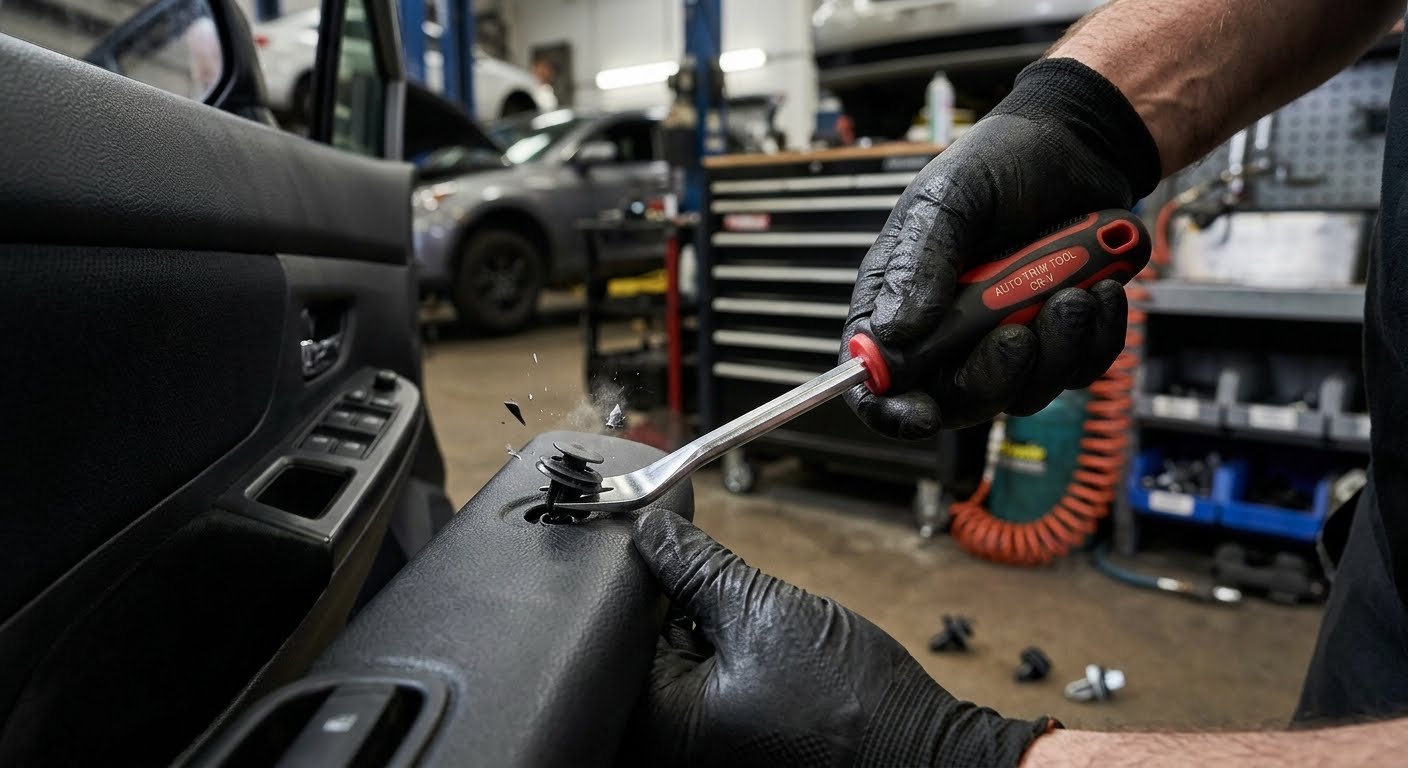
Levapioli is a useful hand tool made for removing clips, trim pieces, fasteners, and small plastic pins. It is often used in car repair, interior work, body trim jobs, and light mechanical tasks. In English, the tool is often called a trim clip removal tool, fastener remover, panel clip tool, or pry tool. Some versions also look like pliers and are known as clip pliers.
This tool may look simple, but it solves a common problem. Many cars use plastic clips to hold door panels, dashboards, wheel arch liners, trunk trim, and other parts in place. Pulling these clips by hand can break them. Using a screwdriver can also damage the trim. A levapioli helps lift or release the fastener with more control.
What Is Levapioli?
Levapioli is a term used for a tool that lifts, pulls, or releases clips and small fasteners. In many cases, it refers to a trim removal tool used on vehicle panels. The tool slides under the head of a clip and gives the user leverage. This makes it easier to remove the fastener without snapping it.
The exact shape can change. Some tools have a flat forked end. Others have a wide plastic wedge. Some use a curved metal shaft. There are also plier style models that grip a clip or push pin and lift it from its hole. Each design is made for a certain type of fastener or trim part.
Why Is a Trim Clip Removal Tool Needed?
Modern cars use many plastic clips. These clips are light, cheap, and easy to install at the factory. They can hold panels firmly without using visible screws. However, they can be hard to remove once they are locked into place. A special tool makes the work easier.
Without a proper tool, a person may pull too hard on the panel. This can crack the clip or damage the mounting hole. A metal screwdriver can also leave marks on soft trim. It may scratch paint or cut into plastic. A levapioli gives better support around the clip and spreads the lifting force.
The tool is also useful because many clips can be reused. If a fastener comes out in good shape, it may go back into the same hole. This can reduce waste and save money. It also helps the panel fit as it did before the repair.
How Does Levapioli Work?
Most levapioli tools work through leverage. The thin end slides under the edge of a clip, panel, or fastener. The user then applies light pressure to the handle. The tool lifts the clip upward while the nearby surface supports the motion.
Forked tools are shaped to move around the stem of a fastener. This lets the tool pull close to the center of the clip. That is important because a clip is more likely to break if force is applied only to one side. The fork helps create a more even lift.
Pliers work in a different way. Their jaws fit under the clip head or around the fastener. When the handles are squeezed, the jaws lift or pull the part out. This can be useful in tight spaces where a pry tool does not have enough room to move.
Common Types of Levapioli Tools
There is no single shape for every task. A basic panel clip tool may have a forked metal tip and a long handle. This type is strong and useful for door cards, splash shields, trunk liners, and larger push clips. The curve in the shaft can add leverage.
Plastic pry tools are another common type. These tools often come in sets with several widths and shapes. They are useful around dashboards, radios, center consoles, trim strips, and other areas where scratches are a concern. Their softer material is less likely to mark the surface.
Clip pliers are made for fast removal of certain push pins and retainers. They can grip close to the head of the clip and lift it in a straight motion. Some sets also include hook tools, narrow forks, and angled levers for hard to reach places.
Trim Clip Removal Tool
A trim clip removal tool is one of the most common forms of levapioli. It usually has a flat or curved shaft with a fork at the end. The fork slides under a plastic clip while leaving space for the clip stem in the middle.
This design is useful because it applies force near the base of the fastener. It can help remove clips from door panels, hood insulation, trunk trim, wheel liners, and underbody covers. The tool can also work on some upholstery retainers and interior fasteners.
Metal versions are strong and can handle tight clips. However, they need careful use around soft plastic or painted surfaces. A thin cloth, tape, or plastic guard may help protect the area when needed.
Clip Pliers
Clip pliers are another form of levapioli. They are designed to lift or release clips by using squeezing force at the handles. The jaws often have thin edges that slide under the clip head.
This design can make clip removal quick. It can also pull more evenly than a single sided lever. That is useful for plastic push retainers that become brittle with age. Even pressure may help reduce damage.
Clip pliers are common in body repair and interior work. They can also help with clips used in engine bay covers, wheel arch trim, and protective shields. Their value depends on the shape of the fastener and the amount of space around it.
Where Is Levapioli Used in Cars?
One of the main uses is door panel removal. Car doors often have hidden plastic clips around the edge of the interior panel. After screws are removed, a trim tool can help release those clips one by one.
The tool is also useful on dashboard trim. Radio surrounds, vent panels, switch panels, and center console pieces may use clips instead of visible screws. A plastic pry tool can open the seam with less risk of damage.
Other common areas include trunk liners, tailgate panels, wheel arch liners, hood insulation, engine covers, side trim, pillar panels, and underbody shields. The exact tool should match the clip type and the strength of the material.
Using Levapioli on Interior Panels
Interior trim can be easy to mark, so control matters. Start by finding the clip locations if possible. Gently press or pull the panel to see where it is held. Then place the tool close to the clip instead of pulling from the middle of the panel.
Use a plastic lever on soft or visible surfaces when possible. Slide it into the seam and move slowly. Once the clip starts to release, support the panel with your hand. Do not bend the trim more than needed.
If the panel does not move, check for hidden screws. Many door handles, armrests, and switch areas hide screws under small covers. Forcing a panel that still has a screw can crack the plastic even when the correct levapioli is used.
How to Use Levapioli Safely
First, identify the fastener. Look at its head and shape. Some clips pull straight out. Others have a center pin, screw head, or locking tab. Knowing the design helps you avoid breaking it.
Next, choose a tool that fits closely around the fastener. Slide the tip under the clip as far as it can go without forcing it. Apply light pressure and watch the clip. If one side rises first, move the tool so the lift becomes more even.
Do not use too much force at once. Old plastic can become brittle. A clip may break even with the right tool if it has aged or was already damaged. Slow pressure gives you time to stop if the part starts to bend.
How to Remove Push Pin Clips
Push pin clips are common on modern cars. They often have a center pin and an outer body. The center pin expands the legs of the clip inside the mounting hole. To remove the clip, the pin usually needs to move first.
Use a narrow pry tool or small fork to lift the center pin. Raise it only enough to release the lock. Then place the wider tool under the outer head. Pull the whole fastener out in a straight motion.
Some push pins work in the opposite way or use a screw style center. Always inspect the fastener before pulling. If it has a visible slot or cross shape, it may need to be turned first.
How to Remove Door Panel Clips
Before removing a door panel, look for screws around the handle, armrest, speaker area, and lower edge. Remove them with the correct driver. Then start at a lower corner where there is usually enough space for a pry tool.
Slide the levapioli between the panel and the door frame. Move the tool until it is close to a clip. Pry gently until the clip releases. Continue around the panel, one clip at a time.
Once the clips are free, the panel may still be attached by wiring and cables. Lift it only as much as needed. Disconnect plugs and door handle cables with care. This helps prevent strain on wires and small plastic connectors.
Plastic vs Metal Levapioli
Plastic tools are a good choice for delicate trim. They are light, cheap, and less likely to scratch visible surfaces. They also come in many shapes. This makes them useful for dashboards, door trim, screens, and center consoles.
Metal tools are stronger. They can work better on tight clips, thick fasteners, and dirty exterior areas. A metal fork can also reach deeper under a clip than some thick plastic tools. However, it can damage the surface if used carelessly.
Many people keep both types. The plastic tools handle soft interior work. The metal tool handles stubborn fasteners. Having several options makes it easier to match the tool to the job.
What Makes a Good Levapioli?
A good levapioli should have a tip that is thin enough to enter a small gap but strong enough to lift the clip. The handle should feel firm and comfortable. A tool that twists too much may make the job harder.
The fork width is also important. A narrow fork works with small clips. A wider fork can fit around thicker stems. Some tool sets give several sizes so the user can choose the closest match.
The surface of the tool matters too. Plastic tools should have smooth edges. Rough edges can mark trim. Metal tools should have a strong shaft and a well-shaped tip. A padded or shaped handle can improve grip.
Levapioli Tool Sets
A tool set can be useful because cars use many clip styles. One kit may include flat wedges, forked levers, angled tools, hooks, and clip pliers. This gives the user more control over different jobs.
Small sets are enough for basic interior work. Larger sets can help people who work on several vehicle types. A body shop or mechanic may need more shapes because clip designs change between brands and models.
The best set is not always the one with the most pieces. It should include useful shapes, strong materials, and comfortable handles. A smaller set of well made tools can be better than a large set with weak parts.
Can Levapioli Prevent Broken Clips?
A proper tool can lower the risk of broken clips, but it cannot prevent every break. Plastic fasteners become hard and brittle over time. Heat, cold, dirt, and repeated removal can weaken them.
The main benefit is controlled force. A forked tool lifts close to the clip stem. A wide pry tool spreads pressure on the panel. Clip pliers can pull in a direct line. These methods are safer than random pulling.
It is still smart to keep spare clips when working on an older car. Even careful removal may break a few worn fasteners. Replacing a damaged clip helps the panel fit tightly and reduces rattles later.
Common Mistakes When Using Levapioli
One common mistake is using the tool too far from the clip. This bends the panel instead of lifting the fastener. The force can crack trim or stretch the mounting hole. Always work as close to the clip as possible.
Another mistake is using a metal screwdriver in place of a proper pry tool. A screwdriver has a hard, narrow edge. It can leave dents, cuts, or scratches. It may also slip because it is not shaped for clip removal.
People also forget about hidden screws. If a panel feels locked after several clips are released, stop and inspect it again. Forcing it may cause damage. A levapioli is a removal aid, not a tool for breaking through resistance.
Choosing the Right Levapioli for a Job
Start by looking at the part you need to remove. For soft dashboard trim, use a smooth plastic pry tool. For a strong plastic rivet under a vehicle, a metal fork or clip plier may be better.
Think about access. A long tool can reach behind a deep panel. A short tool gives more control in a small space. Angled tips are useful when the clip is behind an edge and there is little room for the handle.
Also look at clip size. The fork should fit around the fastener stem without being much wider than the head. A close fit helps spread the force. It also makes the tool less likely to slip during removal.
Is Levapioli Useful for DIY Car Owners?
Yes, it can be very useful for basic car work. Many simple jobs require removing a panel first. Examples include changing a door speaker, replacing a switch, reaching a light unit, cleaning behind trim, or checking wiring.
A small trim tool set is easy to store. It does not require power, batteries, or special training. Most tools are simple to understand. The key is to work slowly and learn how the clip is designed before pulling it.
For a beginner, plastic tools are often the safest place to start. They can handle many interior tasks and are less likely to scratch the car. A metal clip remover can be added later for stronger fasteners.
How Levapioli Helps Protect Vehicle Trim
Vehicle trim is often made from thin plastic. It can bend a little, but sharp pressure can leave a mark. A proper pry tool uses a wider contact area. This spreads the force and lowers stress on one small point.
The same idea applies to clips. Pulling a panel by hand may place force on the clip mount instead of the clip itself. A forked levapioli reaches closer to the fastener. This helps separate the clip from the hole in a cleaner way.
Good technique matters as much as the tool. The user should avoid twisting the tool across painted or soft parts. Steady pressure, correct placement, and a close fitting tip give the best chance of a clean result.
Final Thoughts on Levapioli
Levapioli is a simple but useful tool for removing trim clips, panel fasteners, push pins, and similar parts. In English, common names include trim clip removal tool, fastener remover, panel clip tool, pry tool, and clip pliers.
The tool works by giving the user better leverage and control. It can reduce broken clips, scratched trim, and damaged panels. Different shapes suit different jobs, so many users keep both plastic and metal tools.
For car owners, mechanics, detailers, and body workers, a levapioli can make small repair jobs easier. The best results come from choosing the right shape, working close to the fastener, and using slow, even pressure.
More Related Topics:
What is Rádiem? Czech Radio and the Radium Mix-Up
Babeltee: A Simple Guide to Bubble Tea

CDiphone: The Viral Concept That Mixes CDs With Modern iPhone Technology

JWRE: A Real Estate Presence in Alabama and North Carolina

Chas6d: A Simple Guide to the Digital Platform and How It Works

Who Is Preetha Nooyi? How Is Indra Nooyi’s Daughter Building Her Own Quiet Path in Business?

Who Is Charlie McKittrick? All About Ana Gasteyer’s Husband and His Life

Freda Morris Biography: The Private Life of Garrett Morris’s Wife
-
 Celebrity3 months ago
Who Is Preetha Nooyi? How Is Indra Nooyi’s Daughter Building Her Own Quiet Path in Business?
-
 Entertainment3 months ago
Who Is Charlie McKittrick? All About Ana Gasteyer’s Husband and His Life
-
 Celebrity1 month ago
Freda Morris Biography: The Private Life of Garrett Morris’s Wife
-

 Business3 months ago
Who Is Vaughn Rasberry? All About Tatyana Ali’s Husband, Stanford Career, Family, and Net Worth
-

 News3 weeks ago
Arrow Eve Reynolds: The Oldest Daughter of Imagine Dragons Frontman Dan Reynolds and Musician Aja Volkman
-

 Celebrity3 months ago
Who is Brock Peters’ First Wife? All You Need To Know About Dolores Daniels
-

 Celebrity3 months ago
The Untold Story of Elgin Charles Williams: From Beverly Hills Hair Empire to Jackée Harry’s Ex-Husband
-

 Celebrity1 month ago
Arielle Zuckerberg: Meet Mark Zuckerberg’s Youngest Sister, Building Her Own Tech Legacy