
Blog
Levapioli: A Simple Guide to the Trim Clip Removal Tool

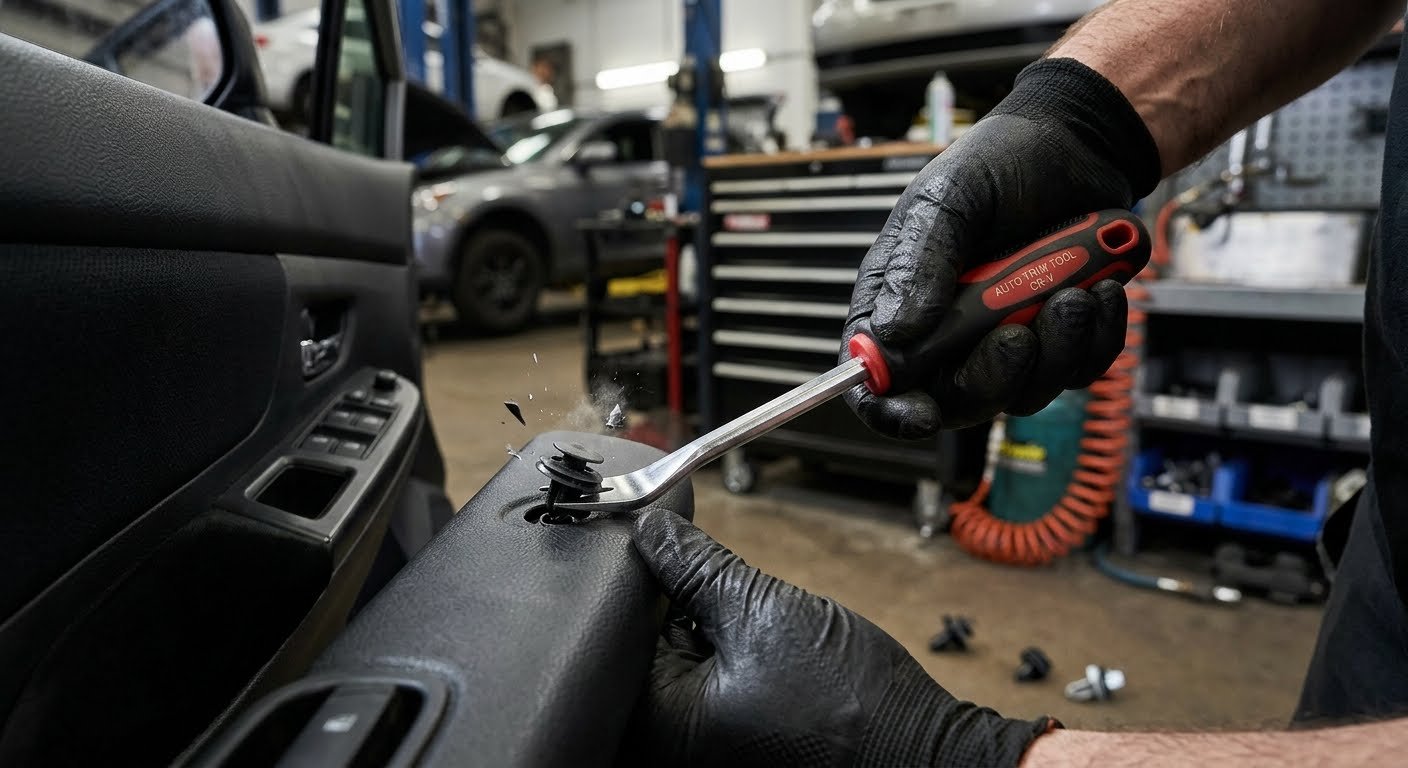
Levapioli is a useful hand tool made for removing clips, trim pieces, fasteners, and small plastic pins. It is often used in car repair, interior work, body trim jobs, and light mechanical tasks. In English, the tool is often called a trim clip removal tool, fastener remover, panel clip tool, or pry tool. Some versions also look like pliers and are known as clip pliers.
This tool may look simple, but it solves a common problem. Many cars use plastic clips to hold door panels, dashboards, wheel arch liners, trunk trim, and other parts in place. Pulling these clips by hand can break them. Using a screwdriver can also damage the trim. A levapioli helps lift or release the fastener with more control.
What Is Levapioli?
Levapioli is a term used for a tool that lifts, pulls, or releases clips and small fasteners. In many cases, it refers to a trim removal tool used on vehicle panels. The tool slides under the head of a clip and gives the user leverage. This makes it easier to remove the fastener without snapping it.
The exact shape can change. Some tools have a flat forked end. Others have a wide plastic wedge. Some use a curved metal shaft. There are also plier style models that grip a clip or push pin and lift it from its hole. Each design is made for a certain type of fastener or trim part.
Why Is a Trim Clip Removal Tool Needed?
Modern cars use many plastic clips. These clips are light, cheap, and easy to install at the factory. They can hold panels firmly without using visible screws. However, they can be hard to remove once they are locked into place. A special tool makes the work easier.
Without a proper tool, a person may pull too hard on the panel. This can crack the clip or damage the mounting hole. A metal screwdriver can also leave marks on soft trim. It may scratch paint or cut into plastic. A levapioli gives better support around the clip and spreads the lifting force.
The tool is also useful because many clips can be reused. If a fastener comes out in good shape, it may go back into the same hole. This can reduce waste and save money. It also helps the panel fit as it did before the repair.
How Does Levapioli Work?
Most levapioli tools work through leverage. The thin end slides under the edge of a clip, panel, or fastener. The user then applies light pressure to the handle. The tool lifts the clip upward while the nearby surface supports the motion.
Forked tools are shaped to move around the stem of a fastener. This lets the tool pull close to the center of the clip. That is important because a clip is more likely to break if force is applied only to one side. The fork helps create a more even lift.
Pliers work in a different way. Their jaws fit under the clip head or around the fastener. When the handles are squeezed, the jaws lift or pull the part out. This can be useful in tight spaces where a pry tool does not have enough room to move.
Common Types of Levapioli Tools
There is no single shape for every task. A basic panel clip tool may have a forked metal tip and a long handle. This type is strong and useful for door cards, splash shields, trunk liners, and larger push clips. The curve in the shaft can add leverage.
Plastic pry tools are another common type. These tools often come in sets with several widths and shapes. They are useful around dashboards, radios, center consoles, trim strips, and other areas where scratches are a concern. Their softer material is less likely to mark the surface.
Clip pliers are made for fast removal of certain push pins and retainers. They can grip close to the head of the clip and lift it in a straight motion. Some sets also include hook tools, narrow forks, and angled levers for hard to reach places.
Trim Clip Removal Tool
A trim clip removal tool is one of the most common forms of levapioli. It usually has a flat or curved shaft with a fork at the end. The fork slides under a plastic clip while leaving space for the clip stem in the middle.
This design is useful because it applies force near the base of the fastener. It can help remove clips from door panels, hood insulation, trunk trim, wheel liners, and underbody covers. The tool can also work on some upholstery retainers and interior fasteners.
Metal versions are strong and can handle tight clips. However, they need careful use around soft plastic or painted surfaces. A thin cloth, tape, or plastic guard may help protect the area when needed.
Clip Pliers
Clip pliers are another form of levapioli. They are designed to lift or release clips by using squeezing force at the handles. The jaws often have thin edges that slide under the clip head.
This design can make clip removal quick. It can also pull more evenly than a single sided lever. That is useful for plastic push retainers that become brittle with age. Even pressure may help reduce damage.
Clip pliers are common in body repair and interior work. They can also help with clips used in engine bay covers, wheel arch trim, and protective shields. Their value depends on the shape of the fastener and the amount of space around it.
Where Is Levapioli Used in Cars?
One of the main uses is door panel removal. Car doors often have hidden plastic clips around the edge of the interior panel. After screws are removed, a trim tool can help release those clips one by one.
The tool is also useful on dashboard trim. Radio surrounds, vent panels, switch panels, and center console pieces may use clips instead of visible screws. A plastic pry tool can open the seam with less risk of damage.
Other common areas include trunk liners, tailgate panels, wheel arch liners, hood insulation, engine covers, side trim, pillar panels, and underbody shields. The exact tool should match the clip type and the strength of the material.
Using Levapioli on Interior Panels
Interior trim can be easy to mark, so control matters. Start by finding the clip locations if possible. Gently press or pull the panel to see where it is held. Then place the tool close to the clip instead of pulling from the middle of the panel.
Use a plastic lever on soft or visible surfaces when possible. Slide it into the seam and move slowly. Once the clip starts to release, support the panel with your hand. Do not bend the trim more than needed.
If the panel does not move, check for hidden screws. Many door handles, armrests, and switch areas hide screws under small covers. Forcing a panel that still has a screw can crack the plastic even when the correct levapioli is used.
How to Use Levapioli Safely
First, identify the fastener. Look at its head and shape. Some clips pull straight out. Others have a center pin, screw head, or locking tab. Knowing the design helps you avoid breaking it.
Next, choose a tool that fits closely around the fastener. Slide the tip under the clip as far as it can go without forcing it. Apply light pressure and watch the clip. If one side rises first, move the tool so the lift becomes more even.
Do not use too much force at once. Old plastic can become brittle. A clip may break even with the right tool if it has aged or was already damaged. Slow pressure gives you time to stop if the part starts to bend.
How to Remove Push Pin Clips
Push pin clips are common on modern cars. They often have a center pin and an outer body. The center pin expands the legs of the clip inside the mounting hole. To remove the clip, the pin usually needs to move first.
Use a narrow pry tool or small fork to lift the center pin. Raise it only enough to release the lock. Then place the wider tool under the outer head. Pull the whole fastener out in a straight motion.
Some push pins work in the opposite way or use a screw style center. Always inspect the fastener before pulling. If it has a visible slot or cross shape, it may need to be turned first.
How to Remove Door Panel Clips
Before removing a door panel, look for screws around the handle, armrest, speaker area, and lower edge. Remove them with the correct driver. Then start at a lower corner where there is usually enough space for a pry tool.
Slide the levapioli between the panel and the door frame. Move the tool until it is close to a clip. Pry gently until the clip releases. Continue around the panel, one clip at a time.
Once the clips are free, the panel may still be attached by wiring and cables. Lift it only as much as needed. Disconnect plugs and door handle cables with care. This helps prevent strain on wires and small plastic connectors.
Plastic vs Metal Levapioli
Plastic tools are a good choice for delicate trim. They are light, cheap, and less likely to scratch visible surfaces. They also come in many shapes. This makes them useful for dashboards, door trim, screens, and center consoles.
Metal tools are stronger. They can work better on tight clips, thick fasteners, and dirty exterior areas. A metal fork can also reach deeper under a clip than some thick plastic tools. However, it can damage the surface if used carelessly.
Many people keep both types. The plastic tools handle soft interior work. The metal tool handles stubborn fasteners. Having several options makes it easier to match the tool to the job.
What Makes a Good Levapioli?
A good levapioli should have a tip that is thin enough to enter a small gap but strong enough to lift the clip. The handle should feel firm and comfortable. A tool that twists too much may make the job harder.
The fork width is also important. A narrow fork works with small clips. A wider fork can fit around thicker stems. Some tool sets give several sizes so the user can choose the closest match.
The surface of the tool matters too. Plastic tools should have smooth edges. Rough edges can mark trim. Metal tools should have a strong shaft and a well-shaped tip. A padded or shaped handle can improve grip.
Levapioli Tool Sets
A tool set can be useful because cars use many clip styles. One kit may include flat wedges, forked levers, angled tools, hooks, and clip pliers. This gives the user more control over different jobs.
Small sets are enough for basic interior work. Larger sets can help people who work on several vehicle types. A body shop or mechanic may need more shapes because clip designs change between brands and models.
The best set is not always the one with the most pieces. It should include useful shapes, strong materials, and comfortable handles. A smaller set of well made tools can be better than a large set with weak parts.
Can Levapioli Prevent Broken Clips?
A proper tool can lower the risk of broken clips, but it cannot prevent every break. Plastic fasteners become hard and brittle over time. Heat, cold, dirt, and repeated removal can weaken them.
The main benefit is controlled force. A forked tool lifts close to the clip stem. A wide pry tool spreads pressure on the panel. Clip pliers can pull in a direct line. These methods are safer than random pulling.
It is still smart to keep spare clips when working on an older car. Even careful removal may break a few worn fasteners. Replacing a damaged clip helps the panel fit tightly and reduces rattles later.
Common Mistakes When Using Levapioli
One common mistake is using the tool too far from the clip. This bends the panel instead of lifting the fastener. The force can crack trim or stretch the mounting hole. Always work as close to the clip as possible.
Another mistake is using a metal screwdriver in place of a proper pry tool. A screwdriver has a hard, narrow edge. It can leave dents, cuts, or scratches. It may also slip because it is not shaped for clip removal.
People also forget about hidden screws. If a panel feels locked after several clips are released, stop and inspect it again. Forcing it may cause damage. A levapioli is a removal aid, not a tool for breaking through resistance.
Choosing the Right Levapioli for a Job
Start by looking at the part you need to remove. For soft dashboard trim, use a smooth plastic pry tool. For a strong plastic rivet under a vehicle, a metal fork or clip plier may be better.
Think about access. A long tool can reach behind a deep panel. A short tool gives more control in a small space. Angled tips are useful when the clip is behind an edge and there is little room for the handle.
Also look at clip size. The fork should fit around the fastener stem without being much wider than the head. A close fit helps spread the force. It also makes the tool less likely to slip during removal.
Is Levapioli Useful for DIY Car Owners?
Yes, it can be very useful for basic car work. Many simple jobs require removing a panel first. Examples include changing a door speaker, replacing a switch, reaching a light unit, cleaning behind trim, or checking wiring.
A small trim tool set is easy to store. It does not require power, batteries, or special training. Most tools are simple to understand. The key is to work slowly and learn how the clip is designed before pulling it.
For a beginner, plastic tools are often the safest place to start. They can handle many interior tasks and are less likely to scratch the car. A metal clip remover can be added later for stronger fasteners.
How Levapioli Helps Protect Vehicle Trim
Vehicle trim is often made from thin plastic. It can bend a little, but sharp pressure can leave a mark. A proper pry tool uses a wider contact area. This spreads the force and lowers stress on one small point.
The same idea applies to clips. Pulling a panel by hand may place force on the clip mount instead of the clip itself. A forked levapioli reaches closer to the fastener. This helps separate the clip from the hole in a cleaner way.
Good technique matters as much as the tool. The user should avoid twisting the tool across painted or soft parts. Steady pressure, correct placement, and a close fitting tip give the best chance of a clean result.
Final Thoughts on Levapioli
Levapioli is a simple but useful tool for removing trim clips, panel fasteners, push pins, and similar parts. In English, common names include trim clip removal tool, fastener remover, panel clip tool, pry tool, and clip pliers.
The tool works by giving the user better leverage and control. It can reduce broken clips, scratched trim, and damaged panels. Different shapes suit different jobs, so many users keep both plastic and metal tools.
For car owners, mechanics, detailers, and body workers, a levapioli can make small repair jobs easier. The best results come from choosing the right shape, working close to the fastener, and using slow, even pressure.
More Related Topics:
What is Rádiem? Czech Radio and the Radium Mix-Up
Babeltee: A Simple Guide to Bubble Tea
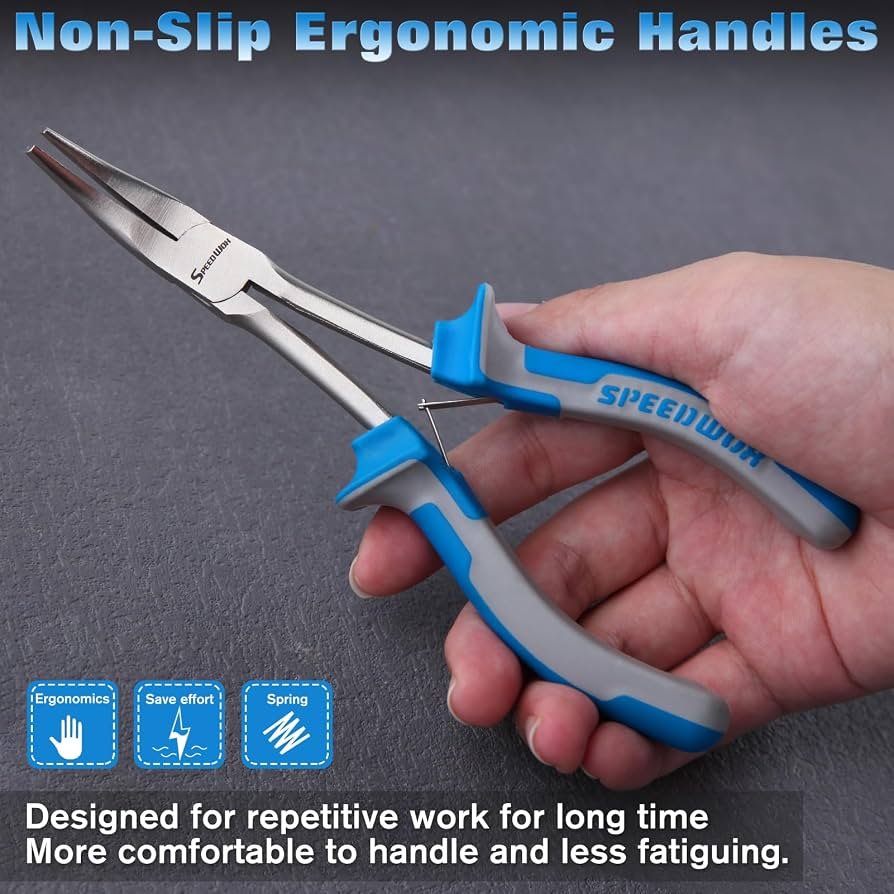
The 51CG is a 6-inch needle-nose plier made by Apex Tool Group under the Xcelite brand. It has long jaws, red handles, and a built-in wire cutter. The tool helps users grip, bend, and cut wires. It is useful for electronics work and small repair jobs.
The term 51CG also appears in searches for electronic parts. Similar letters and numbers form part of some capacitor model codes. These products have different uses and features.
51CG Pliers
The Xcelite 51CG is a hand tool designed for wire work and small repairs. Apex Tool Group makes this model under its Xcelite brand. It has a 6-inch body and long, narrow jaws that help users reach tight spaces.
The pliers have serrated jaws that help hold wires and small parts. Their built-in side cutter can cut suitable wire. Red cushion-grip handles help users hold the tool during work.
The 51CG uses a forged metal body for strength. Its design makes it useful for electrical repair, electronics work, and other tasks that need a firm grip.
Design and Key Features
The 51CG has a simple design with several useful features. Its long nose can reach into narrow spaces where larger pliers may not fit.
The jaws have small teeth that help grip wires and other parts. Users can also bend or loop wire with the tool. This makes it useful when working with small electrical parts.
The red handles offer a more secure and comfortable grip. The tool also has a side cutter, so users can grip and cut wire without changing tools for every task.
51CG Pliers Specifications
The main features of the Xcelite 51CG are listed below.
| Feature | Details |
|---|---|
| Product name | Xcelite 51CG |
| Manufacturer | Apex Tool Group |
| Brand | Xcelite |
| Product type | Needle-nose pliers |
| Model number | 51CG |
| Overall length | 6 inches (152 mm) |
| Jaw style | Serrated |
| Jaw length | 1⅞ inches |
| Jaw thickness | ⅜ inch |
| Handle color | Red |
| Grip type | Insulated cushion grip |
| Cutting feature | Built-in side cutter |
| Main uses | Gripping, bending, looping, and cutting wire |
| Listed status | Obsolete at Mouser |
The insulated grip does not, by itself, mean the tool is safe for live electrical work. Users should only handle live circuits with tools rated and approved for that task.
Common Uses of 51CG Pliers
The 51CG can help with several repair tasks. Its narrow jaws make it useful when small parts are close together.
It can be used to grip thin wires, form wire loops, and bend small metal parts. The built-in cutter also helps with suitable wire-cutting jobs.
The tool may be useful for electronics repair, hobby projects, and general workshop tasks. Users should choose the right tool for each job and avoid cutting wire that exceeds its rated cutting capacity.
51CG Availability in 2026
The Xcelite 51CG appears in product records from electronic parts sellers. Mouser lists the model as obsolete.
This means the model is no longer part of Mouser’s active product range. It does not prove that every seller has stopped offering it.
People looking for 51CG pliers in 2026 may find older stock or used tools. They should check the model number, jaw condition, cutter, and handles before buying.
Electronic Components
The term 51CG can also appear in searches related to electronic parts. One example is the Cal-Chip Electronics capacitor with the full model number GMC04CG510J100NT.
This product is not related to the Xcelite 51CG pliers. It is a small ceramic capacitor made for electronic circuits.
Capacitors store electrical charge and are used in many types of devices. Their exact role depends on the circuit design. Some help filter signals, while others help control electrical noise.
51CG and Ceramic Capacitor Codes
Electronic parts often use long model numbers to show their key features. These codes help buyers find the right part for a circuit.
The Cal-Chip Electronics GMC04CG510J100NT is a surface-mount ceramic capacitor. It has a capacitance of 51 picofarads (pF), a voltage rating of 100 volts, and a tolerance of ±5%.
The capacitor uses C0G/NP0 ceramic material. This type is known for good stability as the temperature changes. It is often used in circuits that need steady electrical values.
Electronic Component Specifications
The GMC04CG510J100NT has the following listed features.
| Feature | Details |
|---|---|
| Manufacturer | Cal-Chip Electronics |
| Model number | GMC04CG510J100NT |
| Product type | Ceramic capacitor |
| Capacitance | 51 pF |
| Voltage rating | 100 V |
| Tolerance | ±5% |
| Dielectric | C0G/NP0 |
| Package size | 0402 (1005 metric) |
| Mounting style | Surface mount |
| Common applications | Signal filtering and other circuit functions |
| Distributor | DigiKey |
The 0402 package is very small. Its size is about 1.0 mm by 0.5 mm. This allows it to fit on compact circuit boards.
The part’s C0G/NP0 material helps keep its capacitance stable. This can be useful in radio-frequency circuits, filters, and other designs that need precise values.
How Electronic Parts Differ From 51CG Pliers
The Xcelite 51CG and the Cal-Chip capacitor serve very different purposes.
The 51CG pliers are a hand tool. They help users grip, shape, and cut wire. Their features include serrated jaws, red handles, and a side cutter.
The ceramic capacitor is an electronic part. It sits on a circuit board and stores electrical charge. It does not perform any mechanical repair tasks.
People searching for 51CG should check the full model number before buying a product. A short search term may lead to different types of items.
Choosing the Right 51CG Product
Buyers looking for the Xcelite 51CG should confirm that the item is a 6-inch needle-nose plier. They should also check the condition of the jaws, cutter, and grips.
People looking for ceramic capacitors should use the full part number. This helps them match the correct capacitance, voltage, tolerance, and package size.
In 2026, 51CG remains a useful search term for finding the Xcelite pliers. Similar letter and number codes also appear in electronic component catalogs. Checking the exact product details is the best way to find the correct item.
FAQs
What is 51CG?
51CG is a model number for a 6-inch Xcelite needle-nose plier made by Apex Tool Group. It has serrated jaws, red cushion-grip handles, and a built-in wire cutter.
What are 51CG pliers used for?
51CG pliers are used to grip, bend, loop, and cut wires. Their long, narrow jaws help users reach small spaces during electronics work and general repairs.
Who manufactures 51CG pliers?
Apex Tool Group manufactures the 51CG pliers under the Xcelite brand. The company makes tools for electrical, electronics, and other repair work.
Are 51CG pliers still available in 2026?
Mouser lists the Xcelite 51CG as obsolete. However, buyers may still find older stock or used tools through other sellers. Availability depends on the supplier.
Is 51CG an electronic component?
The exact code 51CG refers to the Xcelite plier model. Similar letters and numbers also appear in electronic part numbers. For example, the Cal-Chip GMC04CG510J100NT is a 51 pF ceramic capacitor. It is a different product.

A biodome is a human-made space that copies a natural ecosystem. It creates a safe home for plants and animals by controlling heat, light, air, and water. These large structures can support tropical forests, cold coastal areas, and other habitats, even when the weather outside is very different.
Biodomes help scientists study nature and protect wildlife. They also teach people how ecosystems work. Famous examples include the Montreal Biodome in Canada and Biosphere 2 in Arizona.
What Is a Biodome?
A biodome is a closed or partly closed structure that creates a controlled natural environment. It works much like a large greenhouse but can support more complex ecosystems. Plants, animals, water, soil, and air all play a part in keeping the environment healthy.
The main goal of a biodome is to copy the conditions found in nature. For example, a tropical biodome may have warm air, high humidity, and heavy plant growth. A cold-weather biodome may use lower temperatures and special water systems to support animals from cooler regions.
Biodomes come in different sizes and designs. Some are small spaces used for growing food or studying plants. Others are large public centers where visitors can explore different habitats. Each biodome has its own systems based on the environment it needs to create.
How It Works
A biodome works by controlling the conditions inside its walls. Special systems manage temperature, light, moisture, airflow, and water. These systems help create an environment where living things can grow and survive.
Most biodomes also need regular care. Workers check the equipment, monitor plants and animals, and adjust conditions when needed. Research biodomes may use more complex systems to study how nature works with limited outside support.
The way a biodome works depends on its purpose. A public wildlife center may need different equipment from a research site or food-growing dome.
Structural Design
Many biodomes use strong steel frames covered with glass or other clear materials. Some have a geodesic dome shape made from connected triangles. This design can create a large open space while using a strong, lightweight frame.
Clear materials allow sunlight to enter the building. Glass, acrylic panels, and ETFE film are among the materials that can be used. The choice depends on the climate, size, and needs of the project.
Not every biodome has a round shape. Some use other building designs to make room for different habitats. The main goal is to create a safe space that can hold the right conditions for living things.
Climate Control
Climate control is one of the most important parts of a biodome. Heating, cooling, fans, and misting systems help create the right environment. Sensors can track temperature and humidity throughout the day.
A rainforest biodome may need warm air and high moisture levels. It may also use mist or watering systems to support tropical plants. A cold habitat needs lower temperatures and equipment that can keep the air and water cool.
Light is also important. Some biodomes use natural sunlight, while others add grow lights when needed. These systems help plants grow and support the daily cycles of the animals inside.
Closed-Loop Systems
Some research biodomes are designed to reuse water, air, and nutrients. These are called closed-loop systems. They aim to reduce the need for supplies from outside the structure.
For example, water can evaporate from plants and soil. It may then form moisture on cooler surfaces and be collected for reuse. Plants also take in carbon dioxide and release oxygen through photosynthesis.
However, most biodomes are not fully self-supporting. They still need power, repairs, food supplies, or other help from outside. Keeping a balanced ecosystem in a sealed space is a major scientific challenge.
Main Purposes
Biodomes serve several important purposes. They give scientists a place to study nature under controlled conditions. They also help protect living species and teach visitors about the environment.
Some biodomes focus on research, while others are built for public learning. Smaller structures may support food production in places with difficult weather.
Each type has different goals, but all use controlled conditions to support living systems.
Scientific Research
Scientists use biodomes to study how plants, animals, water, and air affect each other. These spaces allow researchers to observe ecosystems while changing certain conditions.
For example, scientists can study how plants respond to changes in temperature or carbon dioxide. They can also test how water moves through soil and how living things use nutrients.
Biodomes may also help with space research. Scientists can test ways to grow food, recycle water, and manage air inside enclosed habitats. This work may help future missions to the Moon or Mars, although a biodome on Earth is not the same as a space habitat.
Conservation and Education
Public biodomes help people learn about plants, animals, and natural habitats. Visitors can see ecosystems that may be far from their homes. This makes it easier to understand how different species live.
Some biodomes support conservation work by caring for selected plants and animals. They may also take part in breeding programs, research, or efforts to protect species. The exact work depends on the facility.
Education is another key goal. Schools, families, and researchers can use these spaces to learn about food chains, climate, and the balance of nature.
Sustainable Agriculture
Biodome greenhouses can help farmers grow food during cold winters or other harsh weather. Their controlled conditions may allow crops to grow for more months of the year.
These structures can support vegetables, herbs, and other plants. Some use drip watering, hydroponics, or other methods to manage water and nutrients. This can help growers use resources with greater care.
However, a biodome does not always use less energy than a normal greenhouse. Heating, cooling, and lighting can require a lot of power. The results depend on the design, local climate, and crops being grown.
Famous Examples
Several well-known biodomes show how these structures can support science and public learning. Two important examples are the Montreal Biodome in Canada and Biosphere 2 in the United States.
These facilities have different purposes. One helps visitors explore natural habitats, while the other has played a major role in research on enclosed ecosystems.
Both show how people can create and study complex environments inside large buildings.
Montreal Biodome (Canada)
The Montreal Biodome is a major science and nature center in Montreal, Quebec. It stands inside a building first used as a cycling venue during the 1976 Summer Olympics.
The building was later changed into a space for living ecosystems. It opened as the Biodome in 1992. Today, visitors can explore five ecosystems of the Americas, including a tropical rainforest, a Laurentian maple forest, the Gulf of St. Lawrence, the Labrador Coast, and the Sub-Antarctic Islands.
Each area has plants, animals, and conditions that reflect its natural habitat. Visitors can learn about wildlife, climate, and how species depend on their surroundings. The Montreal Biodome is part of the city’s Espace pour la vie group of nature museums.
Biosphere 2 (Arizona, USA)
Biosphere 2 is a large research facility near Oracle, Arizona. It was built to study how different ecosystems could function inside a mostly sealed structure. The facility covers about 3.14 acres under glass.
In September 1991, eight people entered Biosphere 2 for a two-year experiment. They lived inside until September 1993. The project tested whether people could survive in a closed environment with plants, animals, and systems designed to recycle resources.
The experiment faced major problems, including falling oxygen levels and challenges with food production. These issues showed how hard it is to keep a closed ecosystem in balance. The University of Arizona now manages Biosphere 2, which supports research on climate, water, soil, and ecosystems.
READ: Wenrath: Location, History, Population, and Industrial Growth in Germany

BrassSmile helps people learn about dental care, teeth whitening, and ways to improve their smiles. The name appears on dental education websites that explain common treatments in simple words. Readers can explore topics such as veneers, dental implants, clear aligners, and daily oral care without needing a medical background.
BrassSmile also covers modern tools like AI smile analysis. Its educational guides help readers compare treatment options and prepare questions before visiting a licensed dentist.
What Is BrassSmile?
BrassSmile is a name used by several dental information websites. These sites focus on oral health, cosmetic dentistry, and smile care. They explain dental treatments and help readers understand the choices they may face when visiting a dentist.
The name does not refer to one confirmed dental company. For example, BrassSmile.info identifies itself as an independent educational website. It states that it is not linked to other websites using similar names. This difference matters when readers search for BrassSmile products or services.
BrassSmile.info shares guides about dental care and smile improvement. It does not provide dental treatment or replace a licensed dentist. Readers should use its content to learn about oral health before making treatment choices.
What BrassSmile Offers
BrassSmile covers several areas of dental health. These include teeth whitening, cosmetic treatments, daily cleaning habits, and modern dental tools. Its main goal is to explain dental topics in words that most readers can understand.
The educational content helps readers learn what different treatments do. It also explains why certain options may work better for some people than others. A dentist must still check a person’s teeth and gums before recommending care.
Educational Resources
BrassSmile provides information about common dental treatments. Its guides cover veneers, implants, crowns, bonding, and clear aligners. Each treatment has a different purpose and may require several dental visits.
Veneers are thin covers placed on the front of teeth. Dental implants replace missing teeth with artificial roots and replacement teeth. Crowns cover damaged or weak teeth, while bonding uses tooth-colored material to repair small chips or gaps.
BrassSmile also explains AI smile analysis. This technology uses images to study visible features of a smile, such as tooth color and spacing. It may help people explore cosmetic options, but it cannot detect every dental problem or replace a dental exam.
At-Home Oral Care
Daily oral care is an important part of keeping teeth and gums healthy. BrassSmile shares information about brushing, cleaning between teeth, and managing tooth stains. These habits can help lower the risk of cavities and gum problems.
Dentists advise brushing twice a day with fluoride toothpaste. People should also clean between their teeth each day. Drinking water and limiting sugary drinks can help protect teeth.
Teeth whitening is another topic covered by BrassSmile. Whitening strips, gels, and toothpaste may help remove or reduce stains. Results depend on the product and the cause of the stains. Readers should speak with a dentist before using strong whitening products.
Important Note About BrassSmile
BrassSmile.info is an educational resource, not a licensed dental clinic. It does not offer in-person exams, dental surgery, or professional treatment. Its guides are meant to help readers learn about dental care.
An online smile photo cannot show every problem inside the mouth. Cavities, gum disease, infections, and bone loss may need an exam or X-rays. A licensed dentist can check these issues and suggest the right treatment.
Readers should also check which BrassSmile website they are using. Different websites with similar names may offer different content or services. They should review a site’s privacy rules before sharing photos or personal details.
Nashville Dental Clinics
Nashville, Tennessee, has dental offices that provide general, family, and cosmetic care. Patients can seek cleanings, fillings, crowns, veneers, and other treatments based on their needs.
When choosing a Nashville dentist, patients should consider the office’s services, professional licenses, location, and payment options. Reviews can help, but a high rating alone does not prove that a clinic is right for every patient.
Top Dentists in Nashville, TN
Iroquois Dentistry
Iroquois Dentistry is a Nashville dental practice that offers general and family dental care. Its services focus on preventive visits and treatments that help patients maintain their teeth.
People seeking routine dental care can review the practice’s services and contact its office to ask about appointments, insurance, and treatment options.
Dentistry of Nashville
Dentistry of Nashville provides family and cosmetic dental services. Its reported treatment options include crowns and other work used to repair or improve teeth.
The practice is also associated with CEREC technology for making certain dental crowns in one visit. Patients should confirm whether same-day crown treatment is suitable for their needs.
Thomas Nabors, DDS
Thomas Nabors, DDS, is associated with cosmetic dentistry in Nashville. The practice focuses on treatments such as porcelain veneers and smile improvement.
Patients interested in veneers should ask about tooth preparation, expected results, care needs, and costs. Some treatments can change the natural tooth surface and may not be reversible.
Gulch Dental Studio
Gulch Dental Studio serves patients seeking general and cosmetic dental care in Nashville’s Gulch area.
Its services are relevant to people looking for routine care or cosmetic treatment. Patients can compare available appointments, payment methods, and treatment plans before choosing the practice.
Miami Dental Clinics
Miami, Florida, has dental practices that offer preventive care, cosmetic treatments, and tooth repair. Patients can seek services such as whitening, veneers, aligners, and crowns.
BrassSmile’s educational topics can help readers understand these treatments before visiting a Miami dentist. An in-person exam is still needed to find out whether a treatment is safe and suitable.
Top Dentists in Miami, FL
My Smile Miami
My Smile Miami focuses on cosmetic dental care. Its reported services include composite veneers and clear aligner treatment.
Clear aligners can help move teeth into better positions. Composite veneers can improve the look of certain chips, gaps, or tooth shapes. A dentist must examine the teeth before recommending either option.
Alfonso Dental Miami
Alfonso Dental Miami offers general, preventive, and family dental care. These services may include checkups, cleanings, and treatments for common tooth problems.
Patients seeking regular dental visits can ask the office about preventive care, insurance, and appointment times.
Miami Dental Sedation Spa
Miami Dental Sedation Spa focuses on dental treatment with comfort options for patients who feel nervous about visiting a dentist.
Sedation can help some patients manage dental anxiety. However, the type of sedation depends on the procedure and the patient’s health. Patients should discuss the risks and benefits with a licensed dental professional.
Miami Designer Smiles
Miami Designer Smiles provides cosmetic dental services, including veneers and smile design.
Veneers can change the look of teeth, but they may require the removal of some enamel. Patients should ask how much natural tooth structure will be changed before choosing treatment.
Texas Dental Clinics
Texas has many dental practices offering family care, cosmetic dentistry, and tooth repair. Large cities such as Austin and Fort Worth have clinics with a wide range of services.
Patients can compare offices based on their needs. For example, someone with a damaged tooth may need a crown, while someone with crooked teeth may need orthodontic care.
Dental fees and treatment times can vary. Patients should ask for a written treatment plan and a clear cost estimate before starting major dental work.
Top Dentists in Texas
Fort Dental
Fort Dental is a dental practice in Fort Worth, Texas. It focuses on general and family dental care.
Patients looking for regular checkups or dental treatment can contact the office to learn about current services, appointment hours, and insurance options.
Steiner Dental
Steiner Dental is located in Austin’s Steiner Ranch area. Its reported services include general, cosmetic, pediatric, and sedation dentistry.
Families may find it useful to ask whether the practice treats both adults and children. Patients who feel anxious about dental work can also ask what comfort options are available.
Austin City Dental
Austin City Dental provides general and cosmetic dental care. Its reported services include crowns, preventive cleanings, and Invisalign treatment.
Patients seeking clear aligners should ask about treatment length, follow-up visits, and retainers. Results depend on the position of the teeth and the care plan.
Fredericksburg Dentistry
Fredericksburg Dentistry serves patients in Fredericksburg, Texas. Its services focus on general dental care and treatments that restore damaged teeth.
Patients can contact the practice to ask about exams, fillings, crowns, and other available care. Treatment choices should be based on a dental exam.
How to Compare Top Local Practices
Choosing a dentist involves more than finding an office with good reviews. Patients should look at the dentist’s license, experience, services, and ability to meet their needs. A practice that is suitable for routine cleanings may not offer every type of advanced treatment.
Patient reviews can be useful when they show consistent feedback about communication, scheduling, and care. However, review scores can change, and a large number of positive reviews does not guarantee a good result. Patients should also verify that the dentist is licensed in their state.
Costs and appointment times are important as well. Some practices offer payment plans, early visits, or special options for patients without insurance. Before agreeing to treatment, patients should ask about total costs, possible risks, follow-up care, and other choices.
How BrassSmile Helps Readers Understand Dental Treatments
BrassSmile helps readers learn the difference between common dental treatments. For example, whitening may improve stains on natural teeth, while veneers cover the front of teeth to change their appearance. Both can improve a smile, but they work in different ways.
Its educational guides can also help readers prepare for a dental visit. Someone thinking about implants can learn about the treatment process before meeting a dentist. A person interested in aligners can learn why regular checkups and retainers matter.
BrassSmile is most useful as a starting point for dental education. Readers can use its guides to understand basic terms, compare options, and prepare questions. Final treatment decisions should always be made with a qualified dental professional.
Conclusion
BrassSmile provides educational content about oral health, teeth whitening, cosmetic dentistry, and smile improvement. Its guides explain treatments such as veneers, implants, crowns, bonding, and clear aligners in simple language.
Readers can use BrassSmile to learn about dental care and prepare for appointments. The name is shared by different websites, so checking the source is important. For dental problems, treatment plans, or changes to natural teeth, a licensed dentist remains the right person to consult.

Bianca Censori and Kanye West: Everything to Know About Their Relationship

401k Max Contribution 2026: New IRS Limits, Catch-Up Rules, and Age-Based Limits

What Are 51CG Pliers Used For? Features and Benefits

Who Is Preetha Nooyi? How Is Indra Nooyi’s Daughter Building Her Own Quiet Path in Business?

Freda Morris Biography: The Private Life of Garrett Morris’s Wife

Arrow Eve Reynolds: The Oldest Daughter of Imagine Dragons Frontman Dan Reynolds and Musician Aja Volkman
-
 Celebrity5 months ago
Who Is Preetha Nooyi? How Is Indra Nooyi’s Daughter Building Her Own Quiet Path in Business?
-
 Celebrity3 months ago
Freda Morris Biography: The Private Life of Garrett Morris’s Wife
-
 News2 months ago
Arrow Eve Reynolds: The Oldest Daughter of Imagine Dragons Frontman Dan Reynolds and Musician Aja Volkman
-

 Entertainment5 months ago
Who Is Charlie McKittrick? All About Ana Gasteyer’s Husband and His Life
-

 Business5 months ago
Who Is Vaughn Rasberry? All About Tatyana Ali’s Husband, Stanford Career, Family, and Net Worth
-

 Celebrity5 months ago
Who is Brock Peters’ First Wife? All You Need To Know About Dolores Daniels
-

 Celebrity3 months ago
Arielle Zuckerberg: Meet Mark Zuckerberg’s Youngest Sister, Building Her Own Tech Legacy
-

 Celebrity5 months ago
The Untold Story of Elgin Charles Williams: From Beverly Hills Hair Empire to Jackée Harry’s Ex-Husband