
Blog
Olivia Tutram Mai: The Story of Jeannie Mai’s Mother


Olivia TuTram Mai is best known as the mother of television host Jeannie Mai. Many fans know her by the warm name Mama Mai. She became familiar to viewers through family videos, red carpet events, interviews, and Jeannie’s online show. Yet her story began long before cameras found her.
Olivia was born and raised in Vietnam. She later came to the United States and built a family life in the Bay Area. Her story connects to the wider story of Vietnamese immigrants who left home, learned a new way of life, and worked hard to give their children more chances. Through Jeannie’s memories, Olivia appears as a strong, lively, and proud mother.
This biography looks at Olivia Tutram Mai’s early life, family background, move to America, public image, relationship with Jeannie, and role as a grandmother. It also explains the difficult years between mother and daughter, their healing, and why Mama Mai remains an important part of Jeannie’s life.
Who Is Olivia Tutram Mai?
Olivia TuTram Mai is a Vietnamese-born family figure and social media personality. She is the mother of Jeannie Mai, the American television host, fashion expert, and former co-host of The Real. Olivia became known to a wider audience because she often appeared beside Jeannie in videos and at public events.
Her public image is bright and playful. She often appears in colorful clothes, bold prints, and eye-catching accessories. She is also known for her humor. In many family clips, she speaks with confidence and shares her views without trying to sound polished or careful.
Olivia has never built her public life around a long list of jobs or awards. Her fame comes from her family connection and her natural presence. Viewers enjoy seeing the woman behind Jeannie’s confidence, strong style, and love of Vietnamese culture.
The name Mama Mai also became part of her public identity. Jeannie uses it with love, and fans soon began using it too. The name feels less like a stage name and more like a family nickname that grew into a familiar part of pop culture.
Olivia Tutram Mai’s Early Life in Vietnam
Public details about Olivia’s childhood are limited. What is clear is that she was born and raised in Vietnam. She grew up in a country shaped by war, political change, and deep family ties. Those early years later influenced the values she taught her children.
Jeannie has shared that her mother came to America as a young woman. In one interview, Jeannie said Olivia fled Vietnam by boat at age 16 with seven other family members. The group made it across the water and was rescued by the United States Navy. This detail gives a clear picture of the risk Olivia faced when she left her homeland.
Her story is not only about escape. It is also about what came next. Olivia had to build a home in a place that did not always understand her culture. She carried her memories with her and passed many of them to Jeannie.
Her Journey to the United States
Olivia’s move to the United States shaped the next part of her life. She did not arrive with the comfort or fame that people now connect with the Mai family. She arrived as a young Vietnamese immigrant who had to begin again.
Jeannie has often spoken about the sacrifices her parents made. She described herself as a first-generation Vietnamese American. She also said her parents made sure she understood that they had escaped communism and worked hard to create a better life for their children.
That experience shaped her parenting style. Olivia wanted her children to understand their history. She also wanted them to feel proud of who they were. Jeannie later said her mother taught her to value her identity, voice, looks, personality, and intelligence.
Building a Large Family Home
Olivia and her husband, James Mai, raised their children in San Jose, California. Jeannie has spoken about a crowded home filled with parents, children, grandparents, aunts, and other relatives. At one point, 15 people lived in a three-bedroom home.
Jeannie said her parents sponsored more family members after they became stable. The home was busy every day. It had different ages, languages, habits, and needs under one roof. That kind of home could be loud and stressful, but it also taught the children how to care for other people.
Jeannie connected her hosting skills to that childhood. She remembered checking on her grandmother, helping her aunts, and supporting her brothers. She also helped relatives adjust to life in San Jose. In her words, the family learned how to include one another.
How Olivia Shaped Jeannie Mai
Olivia played a major role in shaping Jeannie’s confidence. Jeannie has said her mother taught her to be proud of her identity. That lesson stayed with her as she entered the worlds of beauty, television, and entertainment.
Olivia also helped Jeannie see clothing and makeup as tools for self-expression. Jeannie later explained that her mother viewed makeup as an affordable way to show the world who you wanted to be. That idea became important in Jeannie’s work as a makeup artist and fashion expert.
The lesson was simple. Style did not have to hide a person. It could help a person feel more visible. Olivia encouraged Jeannie to use her appearance, voice, and personality instead of making herself smaller.
Jeannie carried that message into her television career. She became known for helping women feel more confident in their clothing and beauty choices. The roots of that work can be traced back to the advice she heard at home.
A Mother Who Valued Confidence
Olivia’s influence was not limited to beauty. She also pushed Jeannie to speak clearly and stand up for herself. Jeannie has described her mother as someone who celebrated her colorful personality instead of trying to silence it.
That kind of support mattered because immigrant children can feel pressure from many sides. They may want to fit in at school while also meeting family expectations at home. Olivia helped Jeannie see that both parts of her identity could exist together.
Jeannie did not have to choose between being Vietnamese and being American. She could honor her family and still create her own path. She could respect older traditions while building a modern career.
This message appears again and again in Jeannie’s interviews. When she doubts herself, she remembers what her mother taught her. Olivia’s lessons became part of Jeannie’s inner voice, even during times when the two women were not close.
From Private Mother to Mama Mai
For many years, Olivia lived mostly outside the public eye. That changed as Jeannie’s career grew. Jeannie became a familiar face on How Do I Look?, The Real, and other television projects. Fans then began to see Olivia at events and in family content.
The name Mama Mai helped audiences connect with her. She was not presented as a distant celebrity parent. She appeared as a real mother with strong opinions, a quick sense of humor, and a love of family.
Olivia’s public style also made her memorable. She often wore bright clothes and bold patterns. Her fashion choices matched her open personality. When she entered a room or joined a video, she did not fade into the background.
That quality made her a natural guest for Jeannie’s content. Mama Mai could bring energy to a simple conversation. She could tease Jeannie, offer advice, or turn a family moment into entertainment without needing a script.
Olivia Tutram Mai on Social Media
Olivia began posting on Instagram in 2016, according to public online profiles. Her account helped show another side of her life. Instead of appearing only as Jeannie’s mother, she shared family photos, fashion moments, event pictures, and snapshots from her own world.
Her social media presence grew because it felt personal. She did not act like a polished media brand. She posted with the confidence of someone who enjoyed celebrating life. Her photos often reflected her love of family, travel, style, and special events.
Fans also followed her because she had her own personality. Olivia could be funny, dramatic, warm, and direct in the same post. That mix made her easy to remember.
Social media also gave Olivia a way to connect with people from different backgrounds. Vietnamese American viewers could see parts of their own family life in her. Other followers simply enjoyed her energy. Her popularity showed that a parent can become recognizable without planning a traditional entertainment career.
Her Bond With Jeannie Mai
Olivia and Jeannie have often shown a close bond. They have traveled together, attended events, and appeared in online videos. Jeannie has described her mother as her best friend, icon, and “ride or die” after the two repaired their relationship.
Their bond also includes playful arguments. Olivia is not afraid to correct Jeannie or give her advice. Jeannie, in turn, lets her mother speak openly. Their conversations can feel less like a formal interview and more like a talk between relatives who know each other well.
The two women also share a love of celebration. They enjoy dressing up, eating together, meeting new people, and marking family moments. Olivia brings a strong Vietnamese presence to those events.
Why Did Olivia and Jeannie Stop Speaking?
Olivia and Jeannie had a major falling-out when Jeannie was a teenager. Jeannie later said the conflict began when she was 16 and lasted until she was 24. During those years, mother and daughter avoided each other and even described the relationship as one in which they had disowned each other.
The conflict was not a small family disagreement. Jeannie described anger, harsh words, and fights between them. She also said the distance hurt because she needed her mother but did not know how to invite her back into her life.
The reason for the pain became clearer in 2019. Jeannie revealed that a male family member sexually abused her when she was nine. She said the abuse began while her mother was working a second job and the family needed child care. Jeannie first tried to ask for help without explaining everything. Olivia did not understand what she was trying to say at that time.
This subject is painful and private. It is important not to turn the family’s trauma into gossip. The public record shows that Jeannie and Olivia later spoke about the experience in order to understand what happened and help others seek support.
How They Rebuilt Their Relationship
Repairing the relationship took time. Jeannie has said that she and Olivia eventually faced the anger between them. She also connected the process to her faith and to her decision to let go of hatred.
Their healing did not erase the past. Instead, it gave both women a chance to talk about it. Olivia could hear what Jeannie had carried for years. Jeannie could also understand that her mother had not known the full truth when the abuse began.
In their Hello Hunnay conversation, the two women spoke about the past with emotion. Their goal was not to make the family look perfect. They wanted to show that hard conversations can open a path toward healing.
That moment changed how many viewers saw Mama Mai. She was no longer only the funny mother in bright clothes. She was also a parent who faced regret, confusion, and pain. Her willingness to sit with Jeannie showed that love can survive a long period of silence.
Olivia as a Grandmother
Olivia became a grandmother when Jeannie and rapper Jeezy welcomed their daughter, Monaco Mai Jenkins, in January 2022. Jeannie later introduced Monaco to the public in a video that included Olivia. The family moment showed Mama Mai meeting the newest generation of the family.
Jeannie had strong feelings about sharing Monaco with the world. She worried about online criticism and the harsh side of public attention. Olivia appeared beside her during that important introduction, which made the moment feel like a family circle.
The video also showed the bond between grandmother and granddaughter. Monaco wore a leopard-print outfit that matched her grandmother’s look. The matching clothes fit Mama Mai’s playful style and added a light moment to an emotional introduction.
Olivia’s role as a grandmother also links three generations of women. She carried Vietnamese family traditions to Jeannie. Jeannie then began sharing those traditions with Monaco. Food, language, family stories, and celebrations became part of that connection.
Vietnamese Culture in the Mai Family
Vietnamese culture remains important to Olivia and Jeannie. It appears in their food, language, family customs, clothing, and sense of duty. Jeannie has spoken about wanting her daughter to understand where her family came from.
Olivia’s life gives that history a personal face. She did not teach culture only through formal lessons. She taught it through daily life. She showed her children how to care for relatives, respect elders, and stay connected to family.
The family also uses Vietnamese traditions during major events. At Jeannie’s 2021 wedding to Jeezy, a Vietnamese tea ceremony honored the parents and welcomed the couple into each other’s families. The ceremony reflected the culture Olivia helped keep alive.
For Jeannie, culture is not only about the past. It is also about helping the next generation feel whole. Olivia’s story makes that goal easier to understand. She left Vietnam, built a life in America, and still remained tied to the place she came from.
Olivia and the Fight Against Sex Trafficking
Olivia has also been connected to Jeannie’s work against sex trafficking. Jeannie became involved in the issue through the documentary Stopping Traffic: The Movement to End Sex Trafficking. Olivia supported her daughter’s interest and learned more about the problem.
Their shared concern led them back to Vietnam. Reports about their work describe Jeannie bringing her mother to meet survivors and learn about the danger faced by vulnerable women and children. The experience gave Olivia a chance to see part of her home country through a new lens.
This work mattered because it joined family history with public action. Olivia knew Vietnam as the place where she was born and as the place she had escaped. Through the project, she also saw communities facing modern forms of harm.
Her role should not be overstated. Jeannie led the public campaign, and Olivia appeared as a family supporter and participant. Still, her involvement showed that she was willing to learn and use her voice for a serious cause.
Olivia Tutram Mai’s Legacy
Olivia’s legacy is closely linked to the family she built. She helped raise Jeannie in a home filled with relatives and cultural traditions. She taught her daughter to value her identity and use her voice. Those lessons later shaped Jeannie’s work in television and fashion.
Her legacy also lives in the relationship between Jeannie and Monaco. Through Olivia, the family’s Vietnamese history continues into another generation. Monaco can grow up knowing that her family story includes Vietnam, America, Black culture, Vietnamese culture, and many forms of family love.
Olivia also leaves a public example of reinvention. She began as a young woman who left Vietnam. She became a mother, grandmother, social media personality, and familiar face to fans. She did not need to follow one fixed path.
Most of all, her story shows the power of family memory. Jeannie’s success has a famous face, but behind it is a mother who taught her to be seen. Olivia’s influence may not always appear in headlines, yet it remains part of the way Jeannie speaks, dresses, works, and cares for her own child.
Final Thoughts on Olivia Tutram Mai
Olivia Tutram Mai is more than Jeannie Mai’s mother. She is a Vietnamese immigrant, a parent, a grandmother, a social media personality, and a woman whose life helped shape a well-known television host.
Her story includes courage, culture, family pressure, public joy, and private pain. She left Vietnam at a young age and helped create a home where relatives could begin again. She raised Jeannie to value identity and confidence. She also faced a painful break in that relationship and later took part in rebuilding it.
Fans may first notice Mama Mai’s bright clothes or funny comments. But the deeper story is about survival and connection. Olivia’s life reminds readers that the people behind public figures often carry stories of their own.
Her place in Jeannie’s life is still clear. Olivia is part of the family history Jeannie protects, the culture she shares, and the lessons she passes to Monaco. That is why Mama Mai continues to hold a special place in the hearts of Jeannie Mai’s fans.

A ramp, a skateboard, and a worried father once gave fans a small look into Kadence Clover Hawk’s life. At age 10, she faced her fear and rode down a ramp while Tony Hawk watched nearby. The moment was simple, but it showed a side of the famous skater that fans do not always see.
Kadence is Tony Hawk’s only daughter and youngest biological child. She grew up with three older brothers, a famous father, and a family life linked to skateboarding. Still, her interests have reached beyond the sport that made her father famous.
Public details about Kadence remain limited. Most facts come from Tony’s interviews, family photos, and public birthday posts. This article looks at her birth, parents, childhood, family bond, connection to skating, and the interests she has shown over the years.
Who Is Kadence Clover Hawk?
Kadence Clover Hawk is known as the only daughter of professional skateboarder Tony Hawk. She is also the youngest of his four biological children. Her older brothers are Riley, Spencer, and Keegan.
In family posts, Tony often calls her Kady. That shorter name appears in birthday tributes and photos shared with fans. However, her full name remains Kadence Clover Hawk in public records and media coverage.
Unlike her father, Kadence has not built a large public career in sports or entertainment. She has appeared in family photos and public posts, but she has mostly stayed away from the spotlight. This makes her story different from that of many celebrity children who grow up online.
Her public image comes mainly from the way Tony speaks about her. He has described her as funny, kind, smart, talented, and strong. These words come from a proud father, but they also show how closely he has followed her growth.
Kadence reached adulthood in 2026. Even with that milestone, reliable public information about her personal life remains scarce. There are no confirmed details about a private career, long-term plans, or personal relationships.
That lack of information is useful to recognize. It prevents people from filling the gaps with guesses. The known story is enough to show her place in the Hawk family without making claims that have not been confirmed.
When Was Kadence Clover Hawk Born?
Kadence Clover Hawk was born on June 30, 2008. Her birth took place at Scripps Memorial Hospital in La Jolla, California. She was born to Tony Hawk and his then-wife, Lhotse Merriam.
At the time, Tony was already a father to three sons. Kadence became his fourth child and first daughter. Her arrival added a new chapter to a family that already had strong ties to skateboarding and youth sports.
Kadence was born during a period when Tony was already famous around the world. His name was linked to major skateboarding events, video games, public appearances, and skatepark projects. Even so, her birth was part of his family life rather than a public performance.
Her full name has received attention because it sounds different from the names of her brothers. Still, no trusted source has confirmed a special meaning behind “Kadence” or “Clover.” It is better to use the known name than to repeat stories that have no clear support.
The June 30 date also became important to Tony in later years. He marked her birthdays with photos, short messages, and memories from her childhood. These posts gave fans small updates while keeping most of her life away from public view.
As of 2026, Kadence is 18 years old. She moved from being the youngest child in the family to becoming a young adult with new choices ahead. Public reports have discussed her high school graduation and college plans, but those details belong to a later stage of her story.
Who Are Kadence Clover Hawk’s Parents?
Kadence’s father is Tony Hawk, one of the best-known names in modern skateboarding. He became famous for his vertical skating style and for helping bring the sport to a wider audience. His success also made the Hawk family familiar to fans who followed skating, video games, and youth sports.
Her mother is Lhotse Merriam. Tony and Lhotse were married when Kadence was born. Their daughter joined a family that already included Riley, Spencer, and Keegan.
Lhotse has remained less visible in celebrity media than Tony. Because of that, only a small amount of verified information about her role as a mother appears in major public coverage. Kadence’s early life should not be expanded with details that have not been clearly reported.
Tony has spoken about the challenge of balancing family life with demanding work. During his years as a professional skater and business owner, he traveled often and managed many projects. He later said that being emotionally present for his children mattered more than accepting every opportunity.
That idea helps explain the way he talks about Kadence. His public posts often focus on birthdays, family pride, and small moments. They do not present her as a product of his name. Instead, they show a father who notices her interests and celebrates her progress.
Tony later married Cathy Goodman. Through that marriage, the family also included her two sons, Miles and Calvin. This means Kadence grew up within a blended family structure, though the public record does not describe every part of their home life.
What Was Kadence Clover Hawk’s Early Family Life Like?
Kadence grew up with three older brothers. Riley Hawk is the oldest, followed by Spencer Hawk and Keegan Hawk. Their age differences meant that Kadence entered a family where each brother already had his own interests and personality.
Tony once described Kadence as “feisty, sassy, and incredibly sweet” when she was two years old. He also said that her brothers loved her very much. According to him, she shared a special connection with Keegan because their personalities were similar.
That early description gives a warm picture of the family. It also shows that Kadence was not known only as Tony Hawk’s daughter. Inside the home, she was the younger sister who brought her own energy to the group.
Her brothers followed different paths as they grew older. Riley became a professional skateboarder. Spencer focused on electronic music and production. Keegan developed an interest in photography and skateboarding. Their different choices gave Kadence room to form her own identity.
Family fame can create pressure for children. Fans may compare siblings or expect them to copy a famous parent. Tony has said that each of his children has different talents and limits. His comments suggest that he has tried to treat them as separate people.
Kadence’s place as the only girl also drew attention. Tony sometimes shared photos of her with her brothers during birthdays or family events. Yet those images did not show that she had to follow one fixed path.
The public record does not offer a full diary of her childhood. It does show a close family bond, shared activities, and a father who paid attention to the details of her personality. Those details matter more than unsupported stories about her private life.
How Did Kadence Clover Hawk Meet Skateboarding?
Skateboarding was part of Kadence’s world from an early age. Her father spent decades riding ramps, traveling for events, and helping young people access skateparks. The sport was not just Tony’s profession. It was also part of the family’s daily culture.
Tony has said that all four of his children tried skateboarding. However, Riley is the only one who followed the sport as a professional skater. That difference is important because it shows that Kadence did not need to become a professional athlete to belong in the family.
For Kadence, skating appears to have started as a family activity. She had access to ramps, boards, and a father who understood the sport. She also had the freedom to decide how far she wanted to take it.
Growing up around an expert can make learning easier in some ways. It can also make a child feel pressure. A famous parent knows every mistake, every fall, and every risk. Tony’s public comments about Kadence suggest that he understood her fear instead of treating it as a weakness.
Her first well-known skating moment happened when she was about 10 years old. Tony recorded her as she prepared to ride down a ramp. The clip became one of the clearest public examples of her connection to the sport.
It is not accurate to call her a professional skateboarder. No reliable source says that she competed at a high level or built a sports career. The confirmed fact is simpler: she tried skating, faced a hard moment, and received support from her father.
What Happened During Kadence Clover Hawk’s First Ramp Attempt?
When Kadence was 10, she faced her fear while trying to skate down a ramp for the first time. Tony filmed the moment and shared it with followers. His caption said that his daughter was overcoming her fear in real time.
Tony also admitted that he might have been more nervous than she was. That short comment made the video feel personal. He was not only watching as a skating expert. He was watching as a parent who knew that a fall could hurt.
The moment did not focus on a difficult trick or a contest result. Kadence was simply trying to begin. That made the clip easy for many parents and young athletes to understand.
Starting at the top of a ramp can feel difficult even for a child who has watched skating for years. The board moves quickly once it begins. The rider must trust balance, timing, and the shape of the ramp.
Tony did not present the moment as a major sporting achievement. He presented it as a personal win for his daughter. That difference helped keep the focus on her courage rather than on his reputation.
The clip also showed how public attention can change a private family moment. A parent may record a child to save a memory. Once shared online, that memory can reach millions of people. Tony’s post gave fans a brief view, but it did not reveal everything about Kadence’s life.
There is no confirmed record of how often she skated after that day. It is also unclear whether she kept skating as she grew older. The safest conclusion is that skateboarding became one of her early interests, not a confirmed professional goal.
What Other Interests Has Kadence Clover Hawk Explored?
Skateboarding is only one part of Kadence’s public story. Tony’s posts have also shown her connection to lacrosse. For her 13th birthday, he thanked her for the joy and laughter she brought to the family. He also joked about her trying to teach him the rules of the sport.
That message suggests that Kadence knew enough about lacrosse to explain parts of it to her father. It does not prove that she played at a professional or college level. It simply confirms that the sport became one of her interests.
Tony later shared birthday photos that included Kadence skiing. Another image showed her taking part in a play. These details added new sides to the picture fans had formed from the skateboarding video.
Skiing and acting are different from skating. One involves speed and snow. The other depends on performance, focus, and working with others. Public posts do not show how long Kadence pursued either activity, but they confirm that her interests were not limited to ramps.
This range matters because celebrity children often face narrow public labels. Kadence could easily have been known only as Tony Hawk’s daughter or the girl learning to skate. The available photos show a wider set of interests without claiming that she turned each one into a profession.
Tony’s birthday messages also focused on her personality. He called her witty, motivated, kind, talented, and strong. Those descriptions suggest that he noticed both her activities and the way she approached them.
Still, it is important not to turn a few photos into a complete personal profile. Public posts show moments, not every part of a person’s life. Kadence’s interests can be discussed through the facts available, while the unknown parts should remain unknown.
Growing Up in a Famous Skateboarding Family
Growing up in Tony Hawk’s family meant living close to a sport with a huge public following. Tony’s name appeared on boards, games, events, and nonprofit work. His children could meet fans who already knew their father before learning anything about them.
Riley faced the most direct comparison because he also became a professional skateboarder. Spencer chose electronic music, while Keegan explored photography and skating. Their different paths show that the family did not follow one single plan.
Kadence’s public story has followed a quieter pattern. She appeared in family photos, attended events with Tony, and showed interests in skating, lacrosse, skiing, and theater. She did not use those moments to create a large public brand.
Tony’s approach to parenting also shaped how fans saw the family. He has spoken about teaching perseverance, self-belief, and the value of creating one’s own path. Those ideas fit the way he has described each child as different.
The available facts do not show what Kadence will do in the future. They do show that she grew up with support, public attention, and many examples of people choosing their own direction. At 14, Tony’s birthday photos showed her skiing and taking part in a play, giving the clearest public sign that her world extended well beyond the skateboard ramp.
NEXT: Berkeley Hermes Roberts: Take A Look at Rick Ross and Briana Camille’s Daughter

Simon Luckinbill is the son of actor Laurence Luckinbill and singer-actress Lucie Arnaz. He is also the grandson of television legends Lucille Ball and Desi Arnaz. Yet the public knows him less for acting than for painting and a life kept away from constant attention.
His family name links him to one of America’s best-known entertainment families. His father built a long career in theater, television, and film, while his mother became known for stage work and music. Simon chose a different creative path, using art to share ideas, feelings, and personal stories.
This biography looks at Simon’s birth, family, childhood, interests, and first steps as an artist. It also explains why people remain curious about him, even though he has never sought the same public career as his parents or grandparents.
Who Is Simon Luckinbill and Why Is He Known?
Simon Luckinbill is a visual artist from a famous American family. He is best known as Laurence Luckinbill’s son and as the oldest child of Laurence and Lucie Arnaz. That family link made people curious about him long before his paintings received attention.
His connection to show business is wide. His father is an actor, writer, and director who worked in theater, television, and film. His mother is an actress and singer who performed on Broadway, in films, on television, and in concert. Simon is also part of the family of Lucille Ball and Desi Arnaz, the stars and creators behind I Love Lucy.
Still, the artist’s public identity is not built around acting credits. He became known through his paintings and a small number of public art events. This makes his story different from the usual celebrity family profile. His name opens the door, but his creative work gives people a reason to keep looking.
Reliable profiles focus on his family, early interests, and art. Many private details remain unconfirmed.
When Was Simon Luckinbill Born and Where Did He Grow Up?
Simon Thomas Luckinbill was born on December 10, 1980. His birthplace was Los Angeles, where his parents were building their own careers in entertainment. He was the first child born to Lucie Arnaz and Laurence Luckinbill after their marriage in June 1980.
His early years did not remain tied to Los Angeles. Laurence later said the family chose to move away from the center of show business. Simon was raised in Katonah, New York, giving the children more distance from the busy world around their parents.
That move helps explain why Simon’s childhood cannot be described as a normal Hollywood upbringing. His parents were well known, but the family did not make public attention the center of home life. They worked in entertainment while also trying to give their children a calmer place to grow.
Public sources confirm that broad outline, but not every detail of his schooling. That is all that can be stated with confidence about this part of his childhood.
How Did Simon Luckinbill’s Parents Meet and Start a Family?
Simon’s parents met through Broadway work in 1979. Lucie Arnaz was performing in Neil Simon’s musical They’re Playing Our Song. Laurence was appearing in another Neil Simon production, Chapter Two. Their work placed them in the same theater world before their relationship became a family story.
Lucie and Laurence married in June 1980. Their first child, Simon, arrived later that year. They then welcomed Joseph Henry Luckinbill in 1981 and Katharine Désirée Luckinbill in 1985. The couple’s home included theater, music, writing, and the daily work of raising children.
Both parents had careers that reached beyond one medium. Laurence moved between acting, writing, directing, teaching, and producing. Lucie worked as a stage performer, singer, actress, director, and producer. Their children grew up around many forms of creative work.
The marriage also connected Simon to a larger entertainment history. Through his mother, he became part of the Arnaz family. Through his father, he became part of the Luckinbill theater family. Those ties explain the interest around his name, but they do not define the work he later chose for himself.
What Family Legacy Did Simon Luckinbill Inherit?
Simon is a grandson of Lucille Ball and Desi Arnaz through his mother. The pair changed American television through I Love Lucy, a show that still shapes how many people remember early television comedy. Their legacy includes acting, production, music, business, and a strong connection to live performance.
That history gives Simon a place in a family tree that reaches across several generations. Lucie carried the family name into theater and music. Laurence brought his own record in drama, film, television, and writing. Simon’s siblings also developed creative interests, though each followed a different direction.
The family connection is easy for the public to understand, but it can also create a heavy comparison. Lucille Ball was an iconic performer. Desi Arnaz was an actor, musician, producer, and business leader. Laurence and Lucie built respected careers in their own right. Simon grew up with that history around him, yet he did not copy one family role exactly.
His place in the family is more specific than the label of “celebrity child.” He is the oldest of Lucie and Laurence’s three children. He has younger siblings Joseph and Katharine, plus two older stepbrothers, Nicholas and Benjamin, from Laurence’s earlier marriage to actress Robin Strasser.
That blended family background adds another part to his story. Simon was not raised in a small household shaped by only one career. He grew up among performers, musicians, writers, and people who understood the demands of public work. The result was a creative setting, but not a single path he had to follow.
Why Did His Parents Choose a Quieter Childhood?
Laurence later explained that he and Lucie made a choice to step back from big show business for their children. Their goal was to give the children more room and a life less controlled by public attention.
This choice mattered because Simon was born into a family that could easily attract cameras. His mother was linked to Lucille Ball and Desi Arnaz. His father had his own successful theater and screen career. Moving away from the center of the industry created a clearer line between family life and public life.
The decision did not cut the children off from art. It simply gave them a quieter place to experience it. At home, Simon could see the work behind acting, music, writing, and performance without having to turn his childhood into a public show.
That balance appears important when looking at his adult profile. He became a public figure because of his family and his art, but he did not build a career around interviews or celebrity appearances. His story suggests that privacy and creativity can exist beside a famous family name.
What Did Simon Luckinbill Study Before He Found Painting?
Before painting became his main creative outlet, Simon explored several subjects. Public accounts say he studied music, drums, percussion, poetry, and nutrition. The available information does not name a college or provide a confirmed degree, so those details should not be added to his biography.
These interests show a person testing different ways to understand the world. Music works through sound and rhythm. Poetry works through words and images. Nutrition focuses on the body and daily life. Painting later gave Simon a way to bring color, texture, and emotion into one form.
His background in drums and percussion also offers useful context. Rhythm can affect how an artist thinks about movement, repetition, and space. That does not mean every painting copies music, but it helps explain why his creative life began with more than one art form.
Simon Luckinbill did not describe painting as a family duty. He described it as something he discovered after studying other subjects. That point matters because it places his art in a personal choice, not simply in a famous family tradition.
When Did Simon Luckinbill Begin His Work as an Artist?
The public record places Simon’s first major art show in 2014. He exhibited at the Archangel Gallery in Palm Springs. The event gave viewers a clear look at work developed outside the acting and music careers linked to his family.
The show placed his paintings in a professional gallery setting. It also marked a public step beyond being known only as an actor’s son. The focus was the work, even though his family name naturally drew interest.
Descriptions of the early work focused on bold color, complex details, and strong energy. These descriptions fit the way Simon later discussed his process. He wanted to use color, texture, and fantasy to express ideas rather than simply copy what he saw.
The first show also brought family support into view. His mother attended, and his siblings Nick and Kate came to cheer him on. Their presence connected the new art career to the same family support that had shaped his earlier life.
What Made Simon Luckinbill’s First Art Show Important?
Simon Luckinbill’s first exhibition mattered because it marked a public step into a field of his own. He was not appearing as an actor’s son in a stage production. He was presenting original paintings and asking viewers to meet him through a visual language.
At the 2014 opening, more than half of the works reportedly sold in the first 90 minutes. A strong opening cannot prove a long career, but it can show that the artist had found an audience ready to engage with his work.
The event also made his difference from the family tradition easier to see. His parents used voices, bodies, scripts, and stages. Simon used paint, surface, shape, and color. All three approaches are creative, but the tools and the public experience are not the same.
The early exhibition therefore became a useful starting point for understanding him. It showed a private family member stepping forward for one clear purpose. He was there to share art, not to repeat a famous role. That choice would shape the public story that followed.
How Did Simon Luckinbill’s 2016 Show Build on His Early Work?
The next clear point in the artist’s public career came in 2016. His second reported exhibition took place in the Coachella Valley. It showed that the Palm Springs art scene had become an important place for his work.
This later event helped move his story beyond one successful opening. A first show can create interest, but a second exhibition suggests a continuing effort. It gave viewers another chance to see how his ideas were growing through paint and mixed visual details.
The available reports do not provide a full list of works from that event. They also do not document every later gallery appearance. Still, the 2016 show remains a key public marker in his art career.
What Does Simon Luckinbill’s Painting Style Reveal?
The painter’s work has been described as colorful, layered, and full of energy. He has worked mainly with acrylic on canvas, which supports strong blocks of color. His paintings can hold several details at once.
That layered quality gives viewers room to look again. Color may catch the eye first, followed by texture or shape. This fits his view that art can carry feelings without plain words.
His style also separates him from his family’s acting tradition. A stage performance ends when the curtain closes. A painting stays in place and lets viewers control the pace.
Why Does His Family Name Still Draw Interest?
The Luckinbill and Arnaz names bring natural attention. They connect him to Broadway, classic television, film, music, and a famous entertainment couple. Many people find his work while researching his family.
That starting point does not explain why a painting succeeds. Family history may lead someone to a gallery, but the work must hold attention. His exhibitions show a person using a famous background without making it every painting’s subject.
The public record presents a clear balance. His family draws attention, while his art gives him a profile of his own. That makes his story more than a celebrity child account.
How Has Simon Luckinbill Used Music and Nature in His Art?
In a past interview, Simon described several sources behind his creative work. They included music, nature, vision quests, and his Christian faith. These subjects point to an art practice shaped by sound, the natural world, inner thought, and belief.
Music can give a painter a sense of rhythm and movement. Nature can bring changing colors, patterns, and forms. Vision quests suggest a search for meaning or a powerful inner experience. He did not present these ideas as a strict formula, but as sources that helped feed his imagination.
This mix makes his work hard to place in one category. It does not come only from family history or formal training. It draws from several parts of his life and turns them into images.
What Has Simon Luckinbill Said About Faith and Expression?
Simon has described painting as a form of self-expression. He has also called art cathartic, meaning it can help a person release or understand strong feelings. That view places emotion at the center of his work.
He has said that he tells stories through his paintings. The stories do not need to follow a clear plot like a film or play. Color, texture, and fantasy can suggest a mood, a memory, or a question that each viewer understands in a different way.
His Christian faith is another part of the creative picture he has shared publicly. It is not presented as a label for every painting. Instead, it appears among the ideas and experiences that influence how he sees the world and turns feeling into art.
What Is Publicly Known About Simon Luckinbill’s Private Life?
Very little reliable information is available about the painter’s relationships or home life. Public profiles focus on his birth, parents, childhood, interests, and exhibitions. They do not confirm a wife, partner, children, or a current residence.
That lack of detail should not be filled with online guesses. There is no reliable basis for giving him a net worth, height, weight, or private relationship history. Leaving those details out gives readers a more accurate picture.
His limited public profile also fits the way he has presented his work. The attention stays on the paintings rather than on daily updates. For a person born into a famous family, that boundary helps explain why many parts of his adult life remain out of view.
Where Does Simon Luckinbill Stand in the Family Story Today?
The painter’s public profile remains tied to two clear facts. He belongs to the Arnaz and Luckinbill families, and he developed a separate identity as a painter. Those facts continue to shape public interest.
A 2024 family update placed him in Palm Springs for his 44th birthday. Lucie Arnaz shared that the family marked the occasion at Native Foods, which she described as one of his favorite vegan restaurants. The post showed family closeness, but it did not confirm that Palm Springs is his home.
No reliable public update confirms a new employer, regular exhibition schedule, or present address. His latest widely discussed public record still centers on his art and family connections. A careful account should leave his current daily life open where the evidence ends.
Final Thoughts on a Quiet Creative Life
The story of Laurence Luckinbill’s son is not only about a famous family. It is also about a person who found a personal language through painting. His work gave him a way to explore color, feeling, faith, and imagination.
His public record remains limited, but the known details create a clear picture. He grew up near creative people, explored several subjects, and later showed his own paintings in Palm Springs and the Coachella Valley. His path shows that a family legacy can open a door without deciding what someone must do next. That choice still matters.
Who is Laurence Luckinbill’s son?
Laurence Luckinbill’s son Simon Thomas Luckinbill is a visual artist. He is also the oldest child of Laurence and Lucie Arnaz. His public profile is linked mainly to painting and his famous family background.
When was Simon Thomas Luckinbill born?
He was born on December 10, 1980, in Los Angeles. He later grew up in New York after his family moved away from the center of show business.
What does Laurence Luckinbill’s son do?
He works as a painter and visual artist. Public reports describe his work as mainly acrylic on canvas, with color, texture, and fantasy used to share ideas and feelings.
Where did the artist hold a later exhibition?
His second reported exhibition took place in the Coachella Valley in 2016. Public coverage does not provide a complete list of every later show.
Is his net worth or marital status publicly confirmed?
No reliable public source confirms his net worth or marital status. It is better to leave those details out than repeat estimates or rumors.
Read: Sally Tucker Biography: Walker Zimmerman’s Wife, Family, and Life
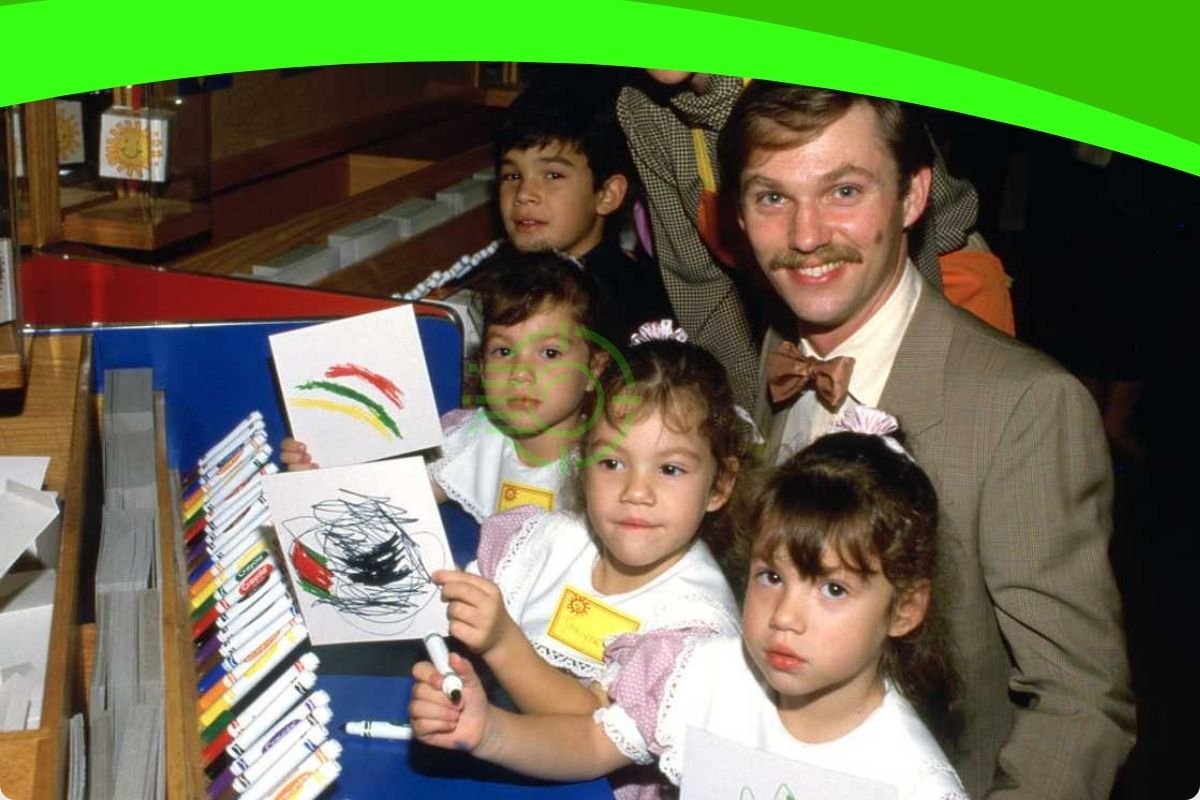
Barbara Ayala Thomas is known to many readers as the daughter of Richard Thomas, the Emmy-winning star who played John-Boy Walton on The Waltons. Yet her story began with an event that made headlines on its own. She was one of three identical girls born to Richard and his first wife, Alma Gonzales, in 1981. She arrived first, followed minutes later by her sisters Gwyneth Gonzales and Pilar Alma Thomas.
Her family became a subject of public interest because three babies joined a home that already had a young son. Reporters wrote about the surprise birth, the daily work of raising triplets, and the way Richard balanced family life with acting. Those early reports offer a small window into Barbara’s childhood. They do not provide a full record of her adult life.
This article brings together the verified details available about her. It looks at her birth, parents, triplet sisters, older brother, and link to Richard Thomas’s public career. It also explains what remains private and why a famous family name does not tell us everything about one person.
Who Is Barbara Ayala Thomas?
She is one of Richard Thomas’s three triplet daughters. Her father became famous as John-Boy Walton in the CBS drama The Waltons. Her mother is Alma Gonzales, Richard’s first wife. The couple also had a son, Richard Francisco Thomas, before the girls were born.
Barbara’s name appears in family reports from the early 1980s and later coverage of Richard Thomas’s seven children. She is one of the four children Richard had with Alma: one son and three daughters. The reports also list the family he later built with his second wife, Georgiana Bischoff.
This family link explains why people search for Barbara today. Still, being part of a known family does not mean a person has chosen a public career. In Barbara’s case, the record is much stronger for her childhood than for her adult years.
Barbara Ayala Thomas and Richard Thomas’s Family
Richard Thomas was already a known actor when Barbara was born. He had earned wide attention as John-Boy, the thoughtful oldest son on The Waltons. The series focused on family and life during hard times, which made his real family life especially interesting to fans.
Richard married Alma Gonzales in 1975. Their first child, Richard Francisco, was born in 1976. Five years later, their home changed in a way neither parent expected. Alma gave birth to three daughters at once, creating a family of six.
The girls were Barbara, Gwyneth Gonzales, and Pilar Alma. Later, Richard married Georgiana Bischoff. She had two daughters from earlier relationships, and she and Richard had a son named Montana James Thomas. Barbara is part of a larger family of seven children, with two triplet sisters, two older step-sisters, and one younger half-brother.
Barbara Ayala Thomas and the Birth of a Triplet Daughter
The birth story is one of the best documented parts of Barbara’s early life. Richard and Alma believed they were expecting twins because their scans showed two babies. The surprise came when Alma went into labor about three weeks before her due date.
A doctor found a third heartbeat. The birth was planned for the next day by C-section. Alma called Richard, who was in New York performing in the Broadway play The Fifth of July. Her message was simple: there were three babies, and he needed to come home.
Richard flew back to be with her. On August 26, 1981, the three girls were born minutes apart. The old report lists Barbara first, at 2:58 p.m., followed by Gwyneth at 2:59 and Pilar at 3:00.
Barbara Ayala Thomas Was Born Into a Busy Home
Barbara did not enter a quiet home waiting for its first child. She arrived with two sisters and an older brother who was about five. Her birth nearly doubled the number of children in the household. Richard later joked that both he and his son felt outnumbered.
The family needed a new routine right away. Three newborns meant more feeding, bottles, diapers, and less sleep. A 1982 report described the parents working together at night. Alma cared for the babies, Richard helped with bottles and baths, and Alma’s mother helped during the first weeks.
That picture shows the setting of Barbara’s first years. The public record does not tell us what she studied, where she worked, or what she wanted from life. It does show a home shaped by teamwork, family help, and the demands of caring for three babies at once.
Barbara Ayala Thomas and the Surprise Behind the 1981 Birth
The triplets’ arrival drew attention because multiple births were harder to manage than a single birth. Richard and Alma expected twins and prepared for two babies. The third heartbeat changed the plan.
The 1982 article gave each girl a birth weight. Barbara was reported as the biggest at six pounds and one ounce. Gwyneth weighed four pounds and nine ounces, while Pilar weighed five pounds and eight ounces. Readers were curious about how the newborns were doing.
The same report said the babies were born without incident. It described the care that followed. The girls took turns feeding and needed constant attention. Their parents had to learn as they went.
Barbara Ayala Thomas as the First Triplet
Barbara was reported as the first of the three sisters to be born. The girls arrived one minute apart, yet their parents soon noticed that they did not act the same. At first, the parents used earrings to tell the babies apart. As the girls grew, their behavior made the task easier.
In the early report, Alma described Barbara as the biggest and the quiet one. That was an observation about a baby, not a complete description of the adult she would become. It should not be used to guess her present personality, career, or private choices.
The detail is still useful because it shows how her parents saw her at the start. Gwyneth was described as small and quick at feeding. Pilar was called fussy. Barbara was linked with a calmer presence. These simple family notes gave each baby a place in the story and helped readers understand that triplets can share a birthday without being exactly alike.
Growing Up Beside Gwyneth and Pilar
Being a triplet shaped Barbara’s early family life. She and her sisters shared a birthday, home, and parents. News stories often named all three girls together because the public first knew them as Richard Thomas’s triplets.
The sisters were described as identical. That made the early months harder for parents and visitors. Earrings helped at first, but family members soon learned to notice differences in behavior.
There is no reliable public record that explains how the sisters’ lives developed after childhood. A name match is not proof of a career or personal detail. A careful biography must separate a dated family report from an unverified online claim.
Barbara’s public story belongs to two periods: the reported years around her birth and the long quiet period that followed. The gap is not a flaw. It shows that she has not remained a regular public figure.
Barbara Ayala Thomas and Her Older Brother
Before the triplets arrived, Richard and Alma had one child, Richard Francisco. He was about five when Barbara and her sisters came home. The family understood that he might need extra care and time with his parents.
Richard later told a story about asking his son what he thought after the girls came home. The boy said he felt outnumbered. Richard answered that they were both outnumbered and would face the change together. The joke also showed that the parents noticed the older child’s place in the new home.
Richard tried to keep his son included while he worked. One report said he took the boy on a work trip so they could share an experience. The detail shows the family trying to protect closeness during a busy period.
For Barbara, this meant growing up with an older brother and two sisters who arrived with her. She was not only “one of three.” She was also a younger sister in a changing household, with parents learning to give each child attention.
Life During the John-Boy Walton Years
Barbara’s birth came while Richard Thomas was closely linked to The Waltons. He played John-Boy Walton, a young writer in a large family. Off screen, Richard was also learning how to manage work and parenthood.
The timing linked the actor’s television image to his real family. Fans knew him as a son in a large family on TV, and then magazines began writing about his real children. The triplets became part of his public image.
That link should be handled with care. Barbara was not a character on The Waltons. She was a real child whose birth drew attention because of her father’s fame and the arrival of three babies. Richard’s work continued in theater, television, and film, and the official record lists his 1973 Emmy win for The Waltons.
Barbara Ayala Thomas in the Minute Maid Commercials
One clear link between Barbara and her father’s career came through television commercials. In the 1980s, Richard appeared in Minute Maid ads with Alma, Richard Francisco, Barbara, Gwyneth, and Pilar. The family appeared together in a home setting built around orange juice.
Richard said the commercials showed the family as they were. The children ran around, Alma poured the drink, and he joined the scene. He also said the children earned money, which was placed aside for their future.
The commercials did not turn Barbara into a full-time performer. They were family ads, not proof of an acting career. Her appearance shows that she joined a family project, but it does not tell us what she chose later.
The ads offer a clear image of Barbara’s place in the family. She appeared beside her parents and siblings, as one member of a busy household. That group setting matters when reading old reports about her.
Richard Thomas as a Working Father
Richard’s public career helps explain why the family received so much attention. He had worked on Broadway from a young age and was already famous through television. His work required travel, long hours, and time away from home.
Early reports also show a father who took part in daily care. He helped with feeding and bathing. Richard was working, Alma was caring for the children, and relatives and hired help supported the home.
The public story often focused on Richard because he was famous. Alma’s work could be easier to miss, even though she carried much of the daily care. Barbara’s early story makes more sense when both parents are included.
Richard later continued acting in theater, films, and television. The image of him as a family man stayed close to his public identity. That is why searches for Barbara often begin with her father’s name.
Barbara Ayala Thomas and the Question of Acting
People often wonder whether a celebrity’s child followed a parent into the same field. In Barbara’s case, the verified record does not show a clear acting career. Her family commercials are documented, but childhood ads are not the same as professional work.
Richard’s career may have made acting familiar at home. He knew the stage, cameras, rehearsals, and public attention. Yet a child’s early appearance does not predict the future. Reliable sources do not say what Barbara later wanted.
This is where a careful article must stop. It would be easy to give her an unverified job or career. A name found on a page is not enough, especially when a private person shares a well-known family name.
The safest answer is simple: Barbara appeared in a family commercial as a child, but her later work is not clearly documented. That answer is more useful than a story built from guesses.
What Can We Say About Barbara Ayala Thomas’s Low Profile?
Barbara’s public record becomes quiet after the family’s early years. That silence does not prove a specific reason. No reliable source explains why her life received little later coverage.
She did not become a steady media figure like her father. Richard continued to appear on stage and screen, so reporters had many reasons to write about him. The sources reviewed here do not give Barbara the same public work record.
When a famous name has few confirmed details, pages may repeat old family facts or add claims from weak records. That can make a short biography look full while giving readers little they can trust.
Barbara’s low profile should be treated as a fact about public coverage, not as a mystery. There is no need to invent a reason for her quiet life. The fair approach is to share what is known and leave the rest with her.
What Is Known About Barbara Ayala Thomas Today?
The confirmed public details about Barbara remain limited. She was born on August 26, 1981, to Richard Thomas and Alma Gonzales. She is the first-born of their identical triplet daughters, with Gwyneth and Pilar arriving minutes later. She has an older brother and later became part of a larger blended family.
She was seen in family Minute Maid commercials during the 1980s. Early reports described her as the biggest baby and the quiet one at that time. These are the main details tied to her through dated reports.
Reliable sources do not give a confirmed account of her current job, schooling, marriage, children, home, income, or beliefs. They also do not provide a recent interview in which she explains her own life. Those gaps should not be replaced with guesses.
This may leave readers wanting more, but it gives the article a clear limit. Barbara is known through family history, not a large public profile of her own. Until she or a trusted source shares more, the biography ends with facts that can be checked.
Barbara Ayala Thomas Beyond the Headlines
The early headlines treated the triplets as a rare family story. They counted diapers, described feeding schedules, and shared details about the home. Those reports captured interest, but they also reduced three children to one event.
Looking back, Barbara’s story deserves a wider view. She was a child born into a working family. She had two sisters who arrived with her, an older brother learning to share attention, and parents building a new daily plan. Her childhood was more than a headline about a famous actor.
Old coverage also came from a different media age. A magazine could publish family details once, and readers might never see an update. Today, online pages can repeat the same facts for years. Repetition can make a claim look confirmed even when it began with one report.
Barbara’s story teaches a simple lesson about celebrity biographies. A public name does not give the public every part of a life. Good writing can remain interesting while respecting what the record does not reveal.
Final Thoughts on Barbara Ayala Thomas
She has a memorable place in the family story of Richard Thomas. She was born during the actor’s John-Boy years, arrived as the first of identical triplets, and grew up in a home that quickly became a subject of national interest. Her early life was reported because the birth was unusual and because her father was already famous.
The best-known details are clear. Richard and Alma expected twins but welcomed three daughters. Barbara, Gwyneth, and Pilar were born minutes apart on August 26, 1981. Barbara was described as the biggest and quietest baby, and she later appeared with her parents and siblings in Minute Maid commercials.
After that, the public record grows thin. There is no sound reason to create a career, a marriage, or a private story for her. The honest biography is the one that keeps the verified family facts, explains her connection to Richard Thomas, and leaves room for a life that may not belong in the news.
Barbara’s story is not empty because it is private. It shows how a person can be known through a famous family while still remaining separate from that family’s public work. That balance is the most accurate way to understand Richard Thomas’s daughter.
Who is Barbara Ayala Thomas?
Barbara Ayala Thomas is one of Richard Thomas and Alma Gonzales’s triplet daughters, born in 1981 with sisters Gwyneth and Pilar.
When was she born?
She was born on August 26, 1981, minutes before her identical triplet sisters.
Who are Barbara Ayala Thomas’s siblings?
Her siblings include older brother Richard Francisco, triplet sisters Gwyneth and Pilar, two step-sisters, and younger half-brother Montana.
Did she act with her father?
She appeared in family Minute Maid commercials as a child, but no verified source confirms a later professional acting career.
What is known about her today?
Reliable public sources share her family and childhood history but do not confirm her current job, marriage, children, residence, or income.
Read: Steven Cauble: The Pastor Behind Lisa Whelchel’s First Marriage

Rodney Keith Jones: The Story of Leslie Jones’ Brother

Grace Gail Biography: Inside the Life of Adam Rodriguez’s Wife

Who is Jean Taynton? The Teacher at the Start of John Lithgow’s Story

Who Is Preetha Nooyi? How Is Indra Nooyi’s Daughter Building Her Own Quiet Path in Business?

Who Is Charlie McKittrick? All About Ana Gasteyer’s Husband and His Life

The Untold Story of Elgin Charles Williams: From Beverly Hills Hair Empire to Jackée Harry’s Ex-Husband
-
 Celebrity2 months ago
Who Is Preetha Nooyi? How Is Indra Nooyi’s Daughter Building Her Own Quiet Path in Business?
-
 Entertainment2 months ago
Who Is Charlie McKittrick? All About Ana Gasteyer’s Husband and His Life
-
 Celebrity2 months ago
The Untold Story of Elgin Charles Williams: From Beverly Hills Hair Empire to Jackée Harry’s Ex-Husband
-

 Celebrity2 months ago
Who is Brock Peters’ First Wife? All You Need To Know About Dolores Daniels
-

 Business2 months ago
Who Is Vaughn Rasberry? All About Tatyana Ali’s Husband, Stanford Career, Family, and Net Worth
-

 Business2 months ago
Who Is Diogo Pires Gonçalves? All About Marisa Monte’s Husband
-

 Celebrity2 months ago
Who Is Egypt Daoud Dean? Inside the Life of Alicia Keys and Swizz Beatz’s Eldest Son
-

 Celebrity2 months ago
Who Is Louise Canet? All About the 9-Year-Old Daughter of Marion Cotillard